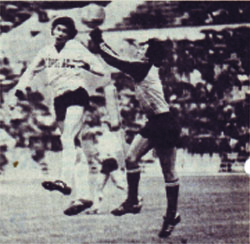
Finland. The best season for Kuusysi (Lahti) and first trophy for RoPS (Rovaniemi) sums the season. One team was directly relegated from First Division and the winner of Second Division directly promoted. The next to last in the top league and the 2nd-best in the second level met in promotion/relegation play-off.
Most teams in the second division – called Division One now – were practically unheard of teams, too weak to reach even the modest top league of Finland. Teams like
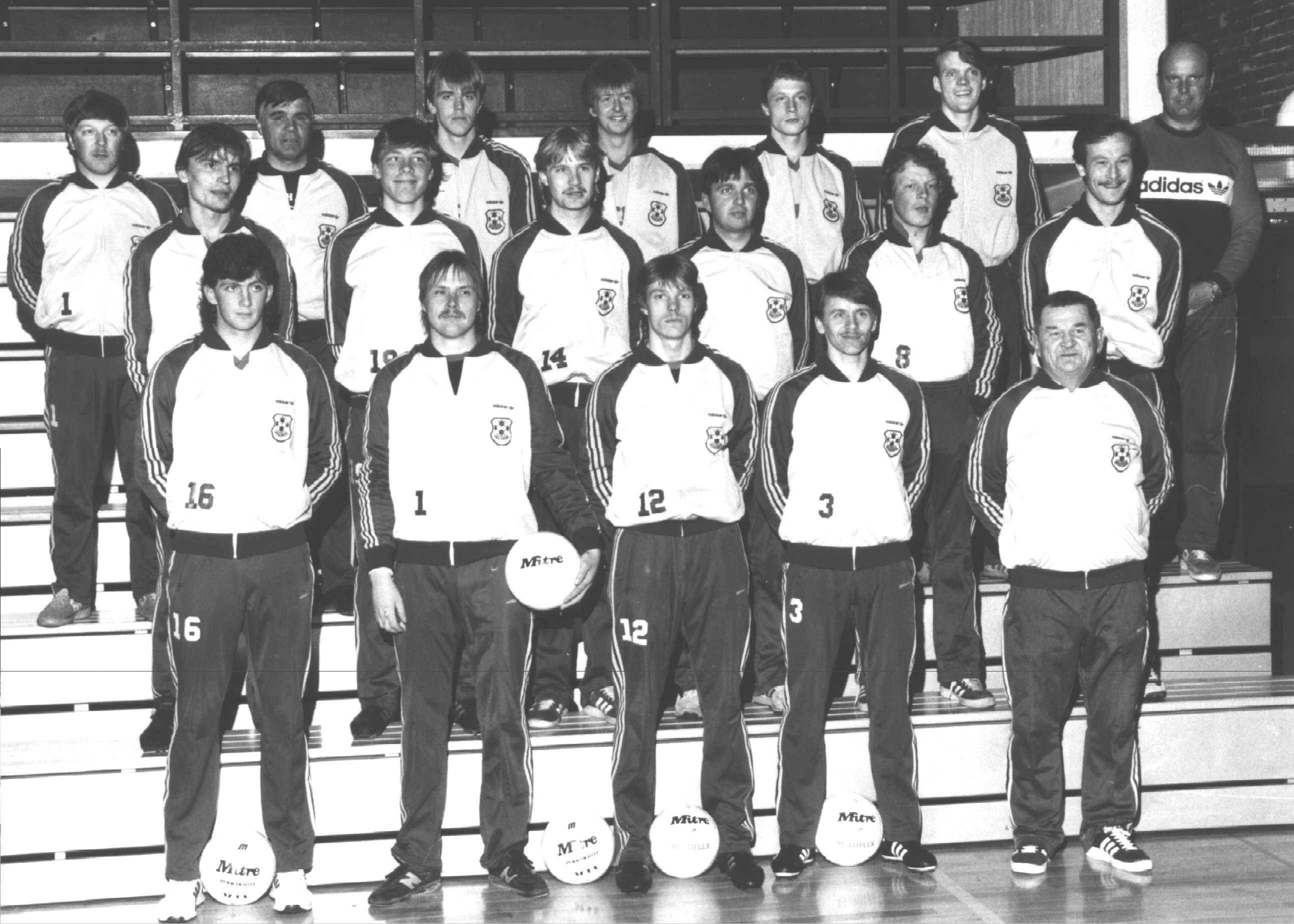 Huima Äänekoski,which finished 8th in the 12-team league with 20 points. Happy tp escape relegation to third level too.
Up the table, there was dramatic race for second place – TPV Tampere and KontU Helsinki ended with equal points, 28, and TPV had superior goal-difference, but head-to-head record counted in such occasions and KontU clinched 2nd place, thus having a chance to get promoted, if prevailing in the promotion/relegation play-off.
 Reipas (Lahti) comfortably won the championship with 33 points from 17 wins, 7 ties, and 2 losses. 40-20 goal-difference. Happy return to top flight for Reipas and also total triumph for the city of Lahti, which clubs championed Finland this year.
OTP Oulu was hopeless outsider in the Premier Division – last with 11 points and relegated.
KePS Kemi had intriguing season – expectedly, they were no force in the top league, but in the same time the team excelled in the Cup tournament. To a point, this may have been the best season of the club ever and never mind they finished 11th with 15 points. However, they succeeded in the promotion/relegation play-off, winning both legs against KontU Helsinki by a goal: 4-3 and 3-2. Considering how tiny and modest was KePS even in Finnish contest, avoiding relegation was a great success by itself – at least, one more season in the top league.
Nothing spectacular up the table.
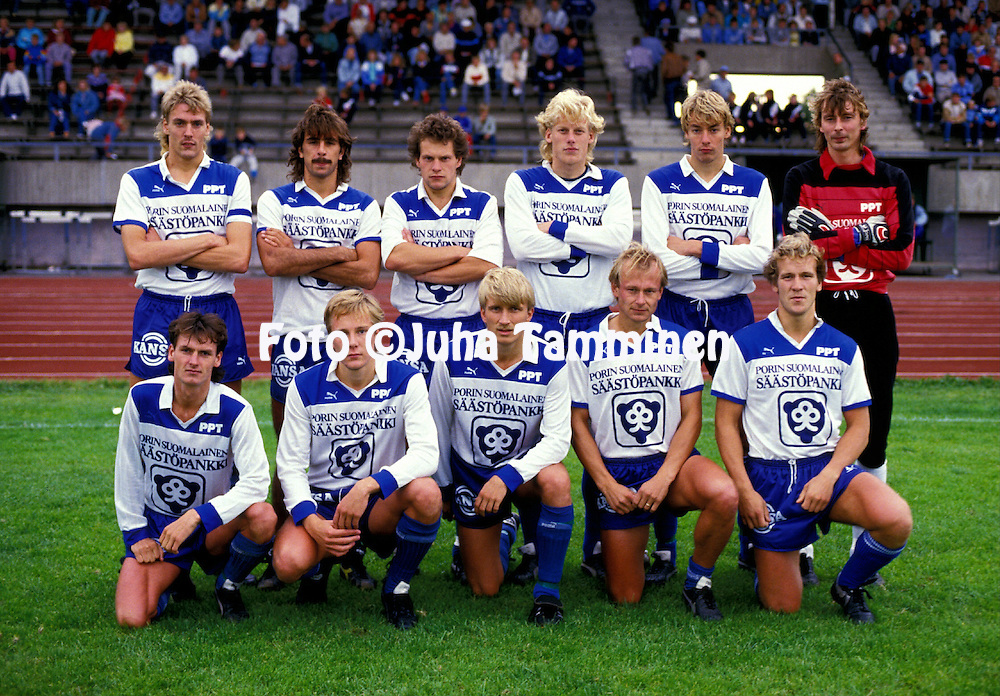
Another 2 teams ended with 22 points each and above them 4 teams fought for the title – kind of. Three of them battled mostly for second place, tied with 30 points each at the end.
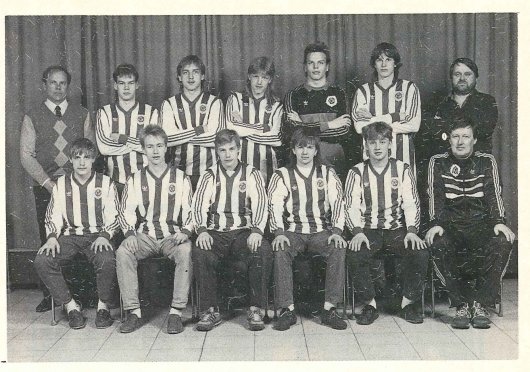 HJK Helsinki took bronze medals. They scored most goals in the championship – 42 – goal-difference placed them 3rd. Above RoPS Rovaniemi and bellow TPS Turku. HJK lost the least games in the league – only 2 – but tied too many games and that was their undoing.
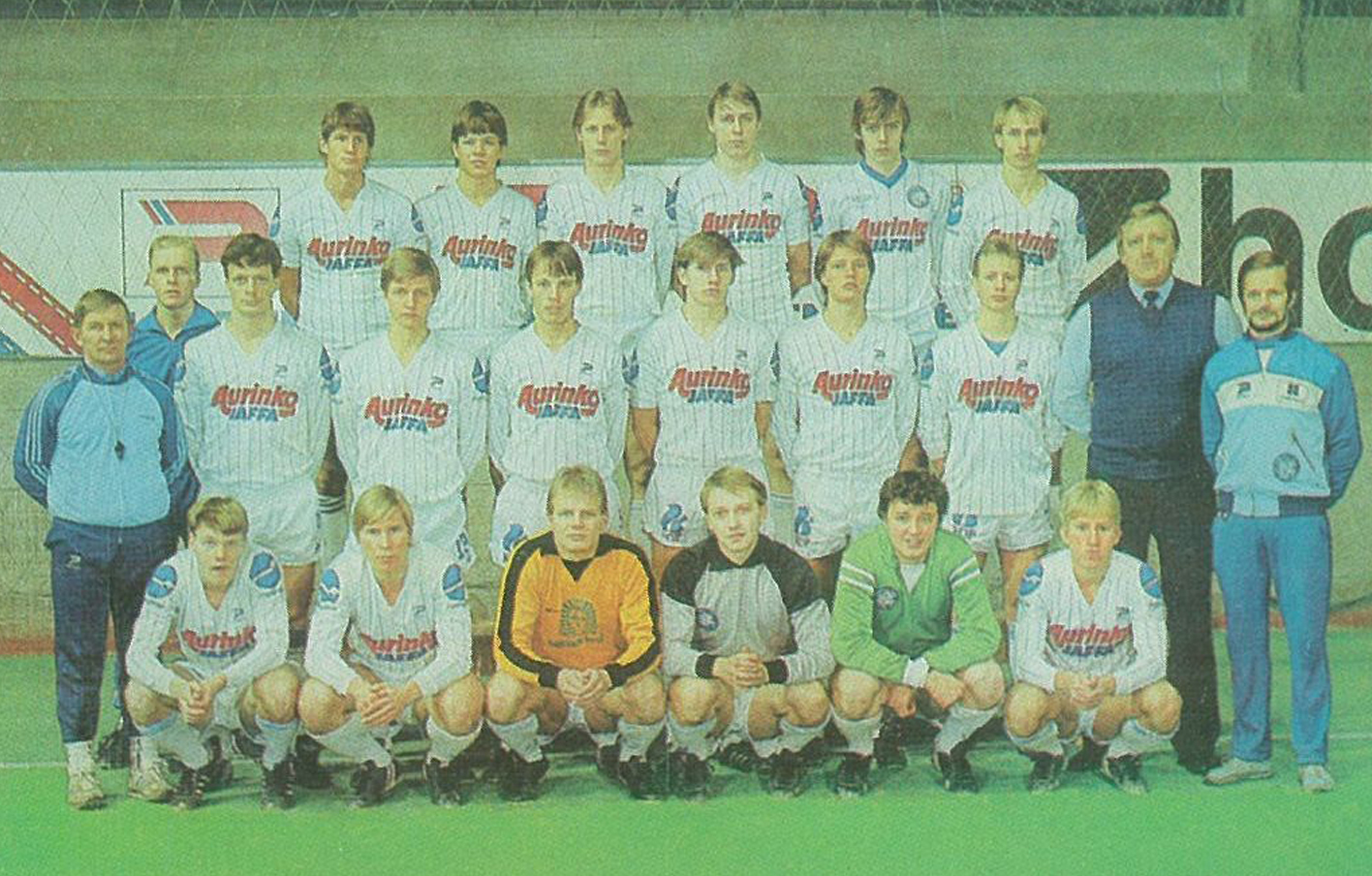 On the surface, Kuusysi (Lahti) had tough time, for they won the title by only 2 points, but that could be misleading. Remember, the league was small and only 22 championship games were played – not much room for building large advance. The table does not tell the story right – Kuusysi had their greatest season ever. They not only kept rivals at bay in the domestic championship, but reached the 1/4 finals in the European Champions Cup, where they met Steaua (Bucharest) at its highest stength. Kuusysi extracted scoreless tie in Bucharest and lost by a single goal at home (actually played in Helsinki, for Kussysi’s stadium was too small) in the last minutes of the second leg. At the end of the year Kuusysi triumphed with their 3rd title after winning 13 games, tying 6, and losing just 3 games. 40-20 goal-difference and 32 points. Curiously, both league winners, both Lahti clubs, finished with exactly the same scoring records: 40-20.
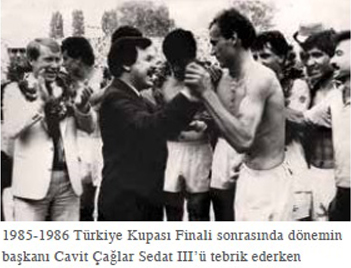 The moment of happy triumph – Bursaspor receives the Cup.
 Altay was stronger on paper only – the club lost its shine quite many years ago and struggled ever since the beginning of the 1970s. Mediocrity settled down no matter what. Reaching the Cup final was rare chance for something better, but the team was similar to their opponent’s, both finalist existing in the lower half of First Division. Too bad, but Altay was not up to the task.
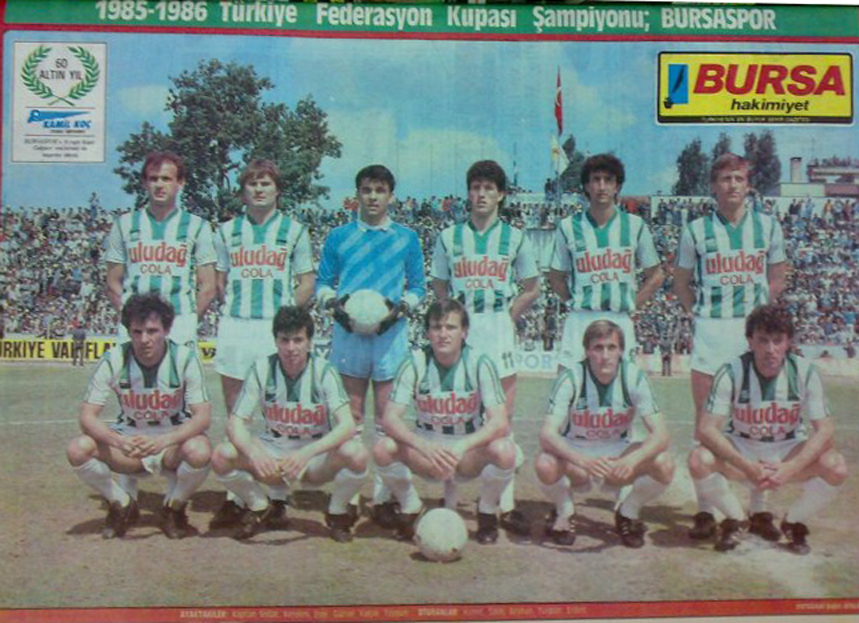 Bursaspor had so many troubles this year that winning the Cup was unlikely – they couldn’t find the right coach and rotated a few during the season, their form was terrible and the prime concern was escaping relegation. Something was fundamentally wrong, but in the same time they played well in the Cup tournament, reached the final and when it mattered most, they put themselves together and won.
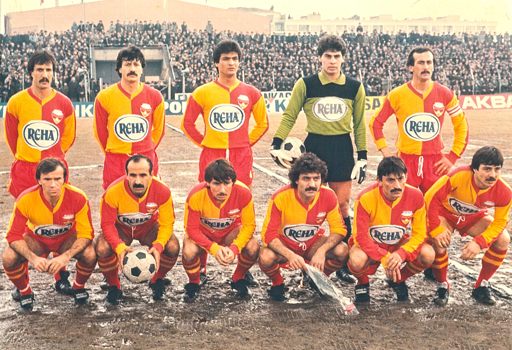 Kayserispor was the worst team this season – last and out with 19 points.
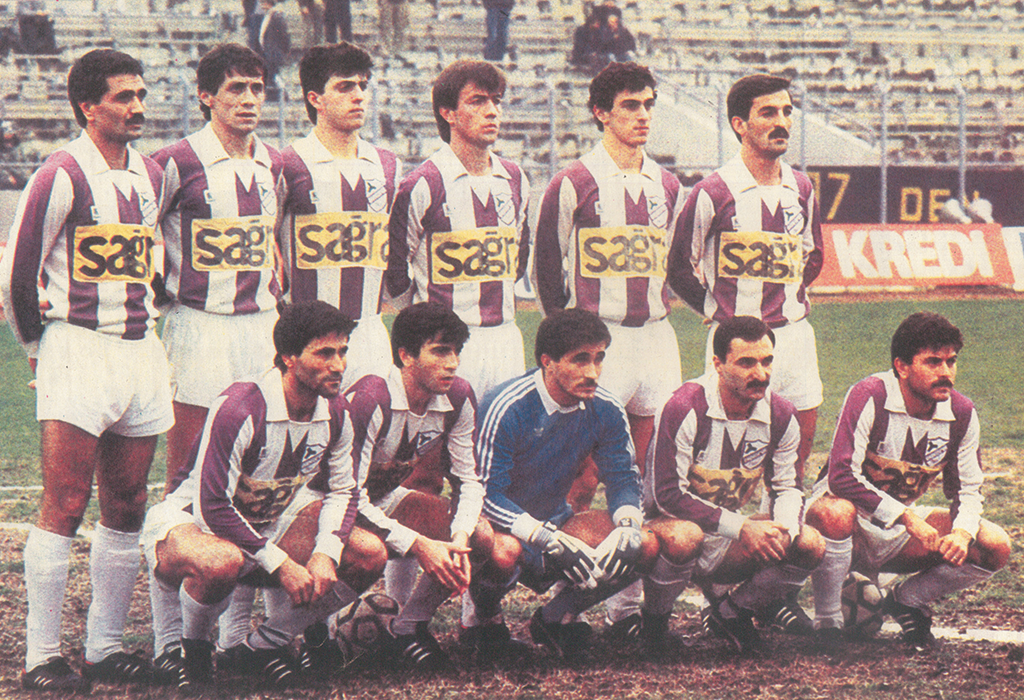 Slightly better, but still too weak for top league football, Orduspor ended 18th with 22 points and was relegated.
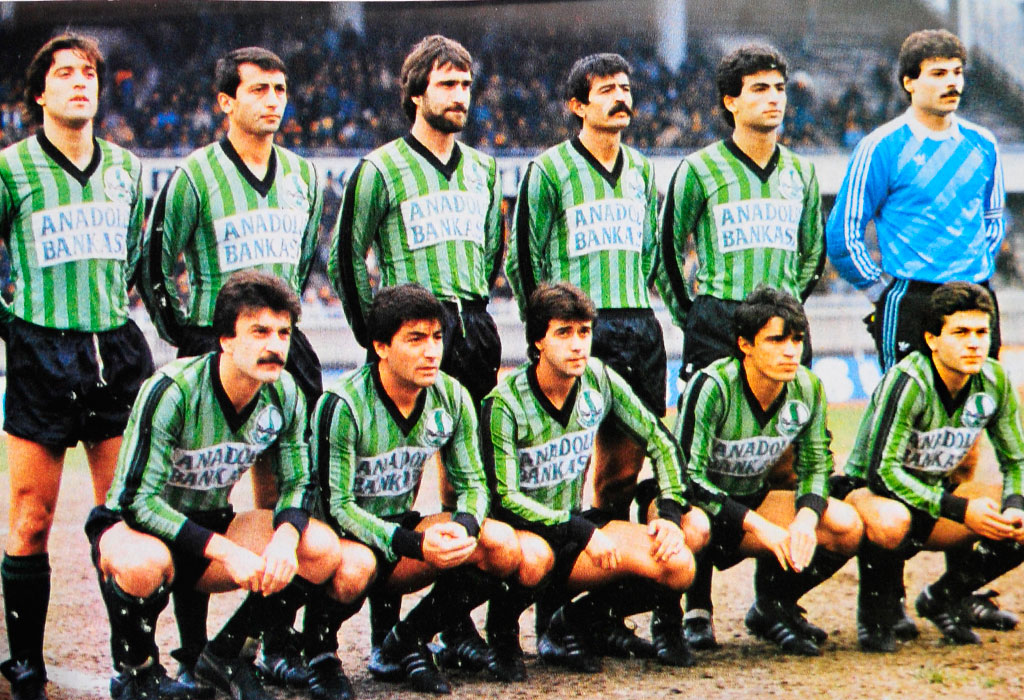 Sakaryaspor was the third relegated team – 17th with 27 points.
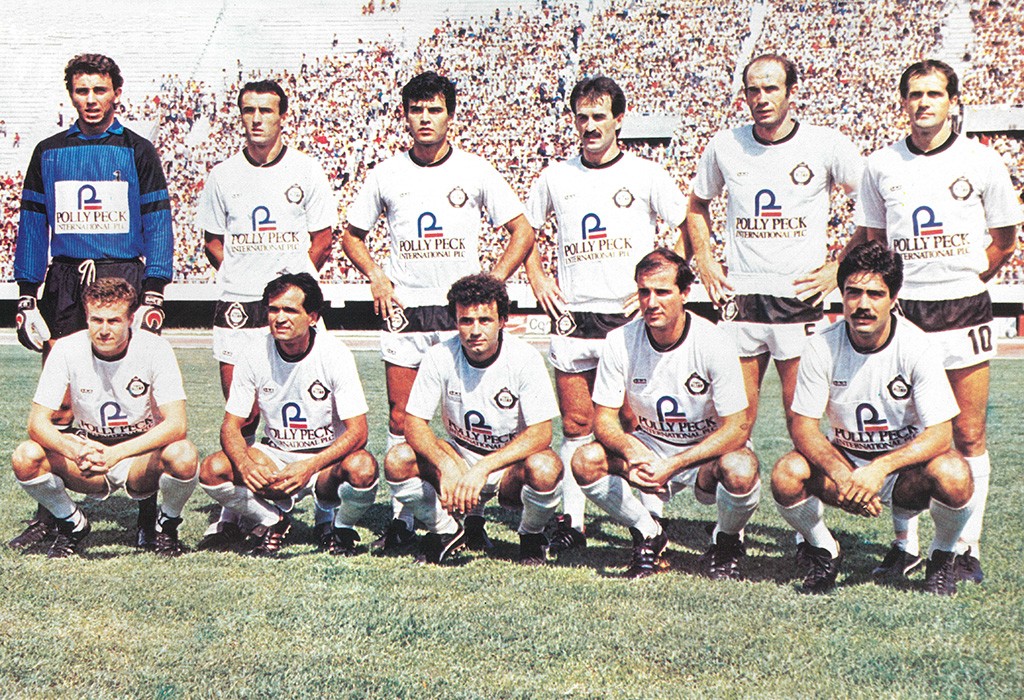
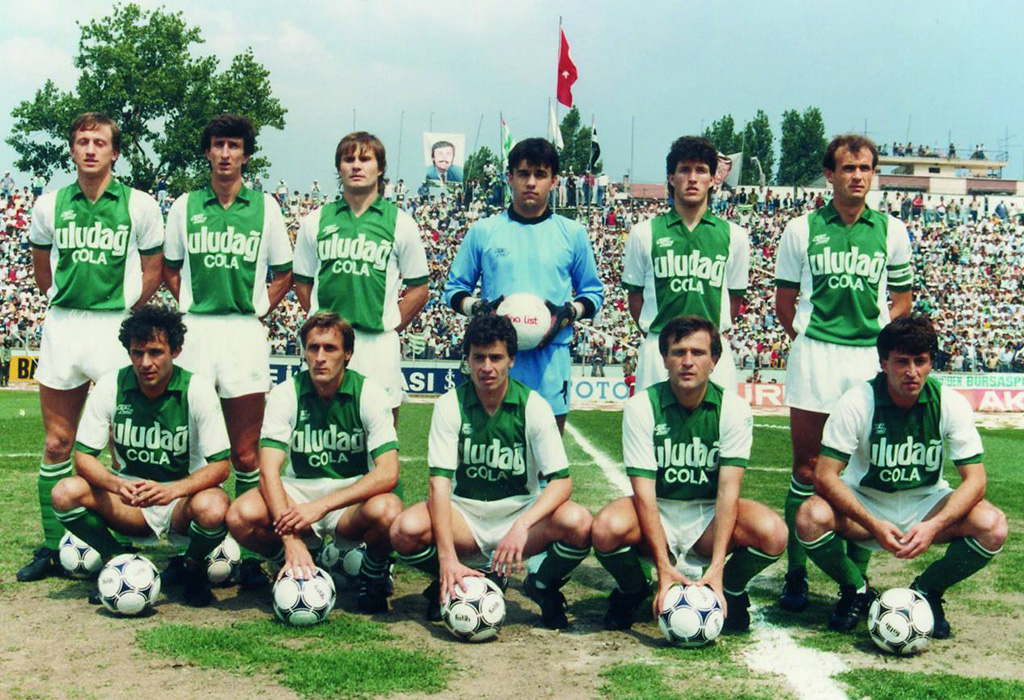 Bursaspor had very strange season – plagued by various problems and coming close to relegation, but in the same time this was their best season in their history to date. A rollercoaster of a season – 16th with 31 points. Standing from left: Taygun Erdem, Yalçın Gündüz, Attila Kerekes, Eser Kardeşler, Gürsel Hattat, Sedat Özden. Crouching: Hamit Ayden, Mihaly Tulipan, Salih Salimoğlu, Beyhan Çalışkan, Erdinç Kayan.
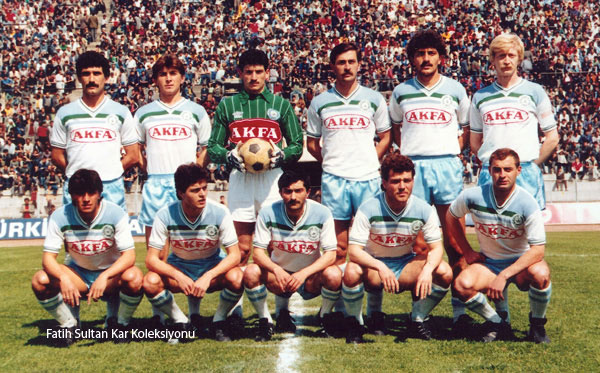 Caykur Rizespor – rather typical season: 15th with 32 points. Standing from left: Haluk, Muharrem, Yusuf Ziya, İsmail, Mehmet Ali, Hüsnü.
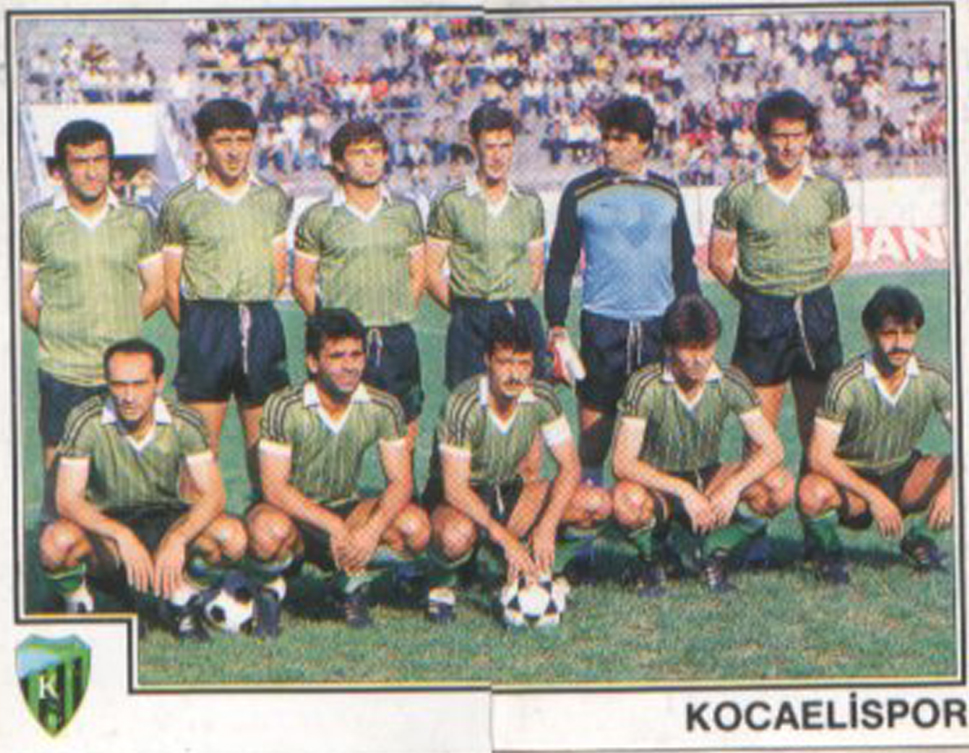 Kocaelispor – 14th with 32 points.
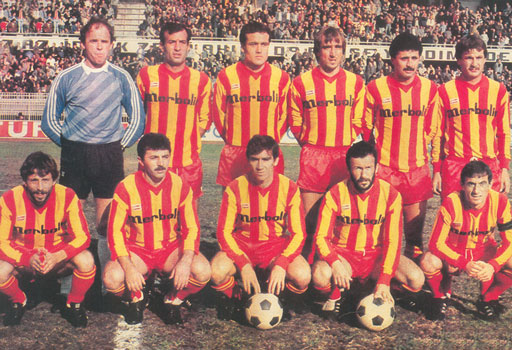 Malatyaspor – 13th with 32 points.
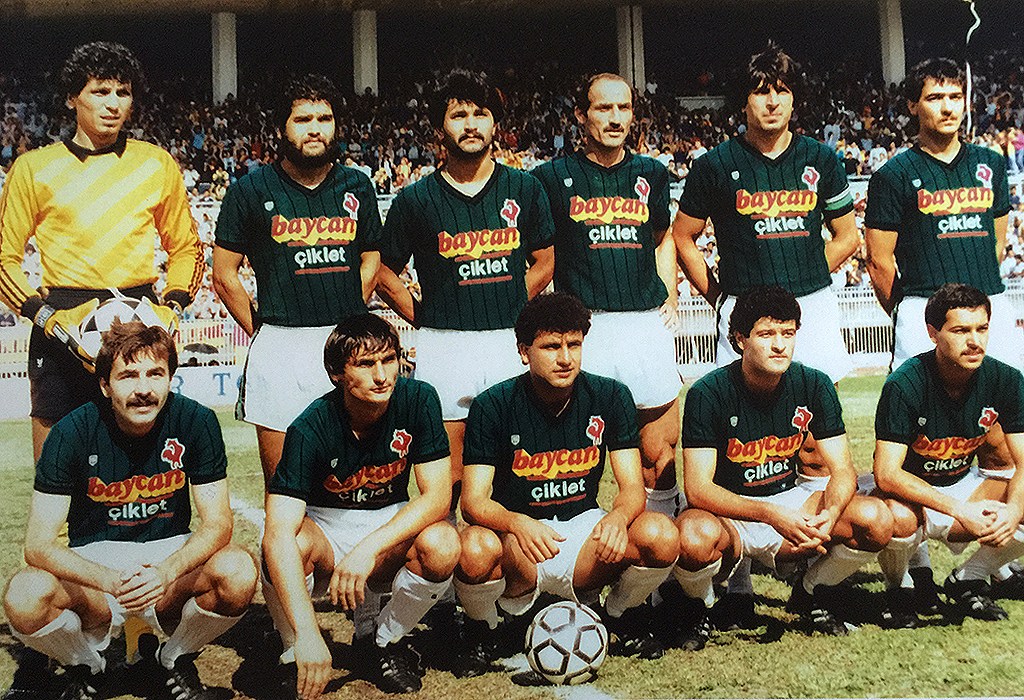 Denizlispor – 12th with 32 points.
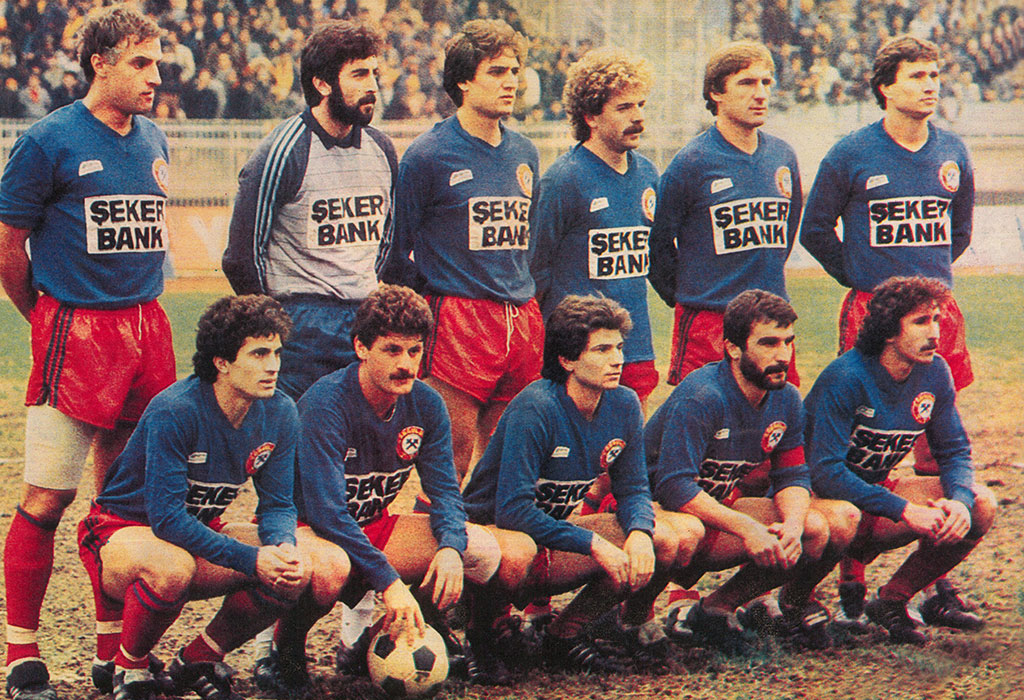 Zonguldakspor – 11th with 33 points.
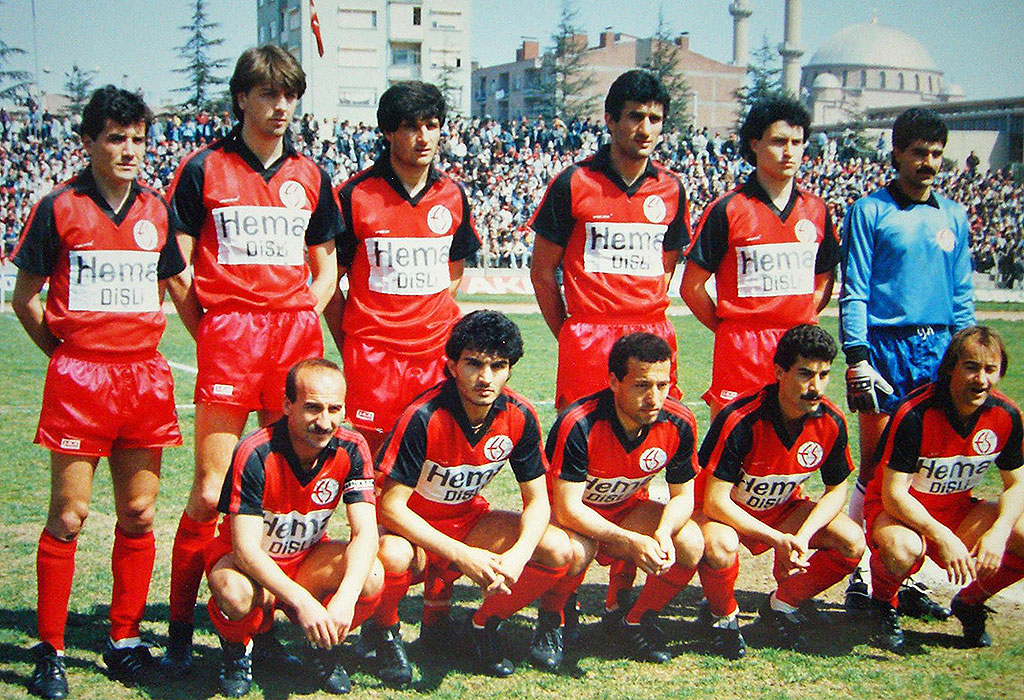 Eskisehirspor – 10th with 33 points.
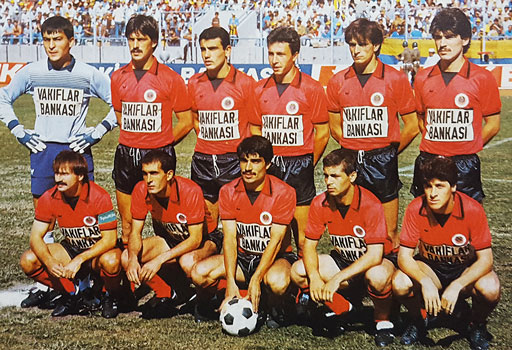 Genclerbirligi – 9th with 34 points.
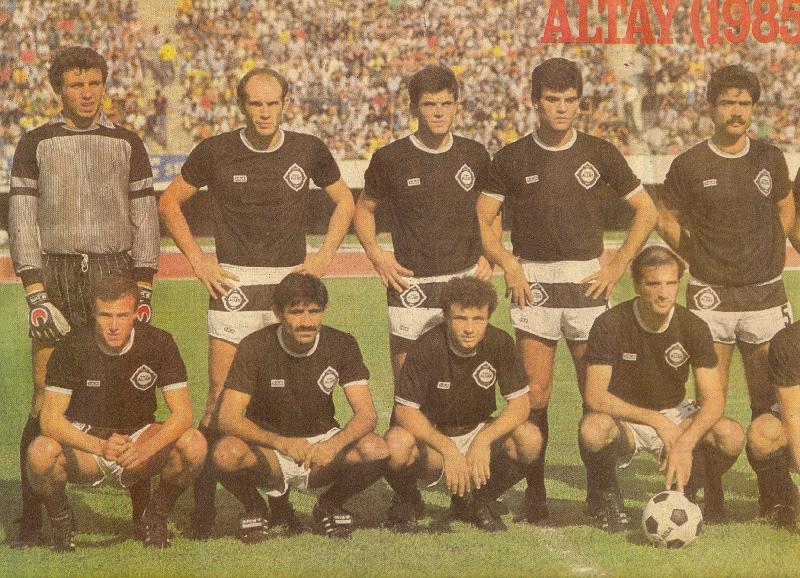 Altay – 8th with 34 points.
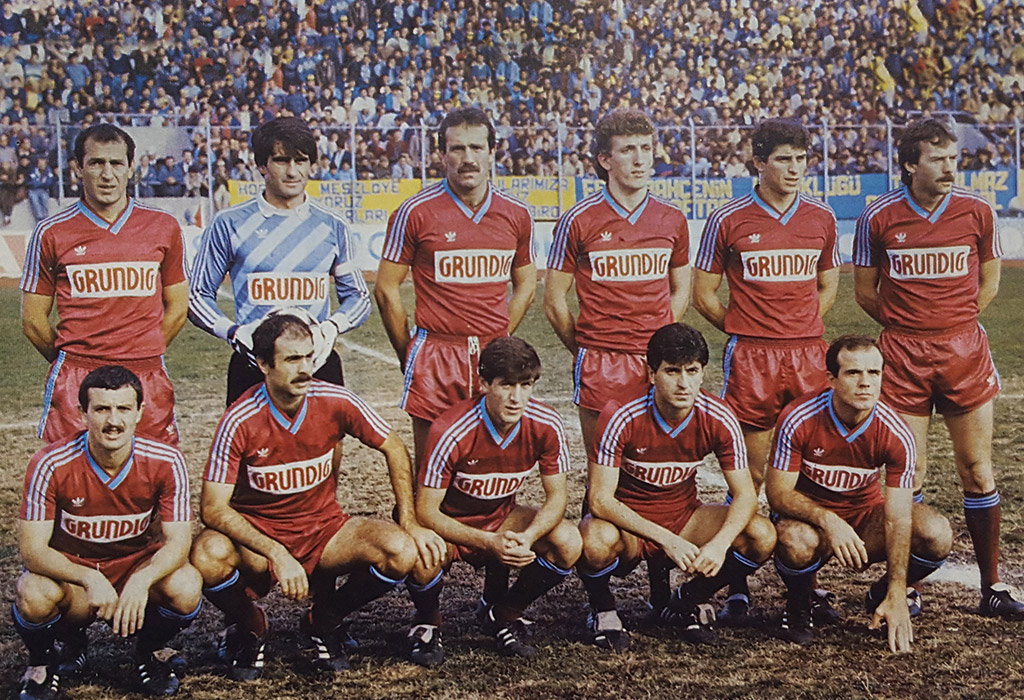 Trabzonspor – 7th with 37 points.
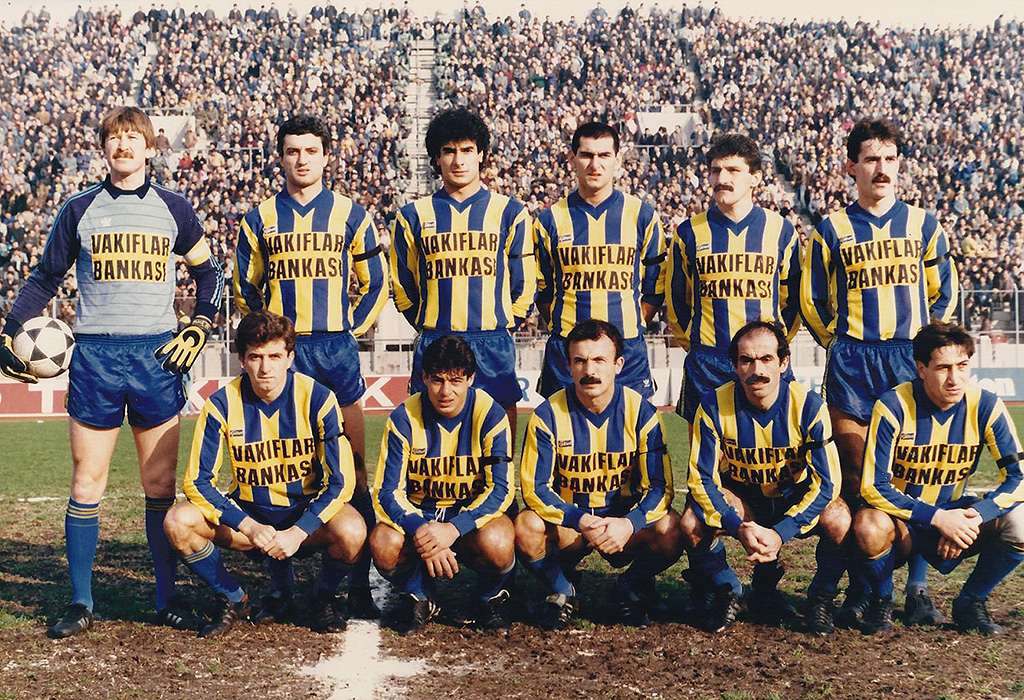 MKE Ankaragucu – 6th with 41 points.
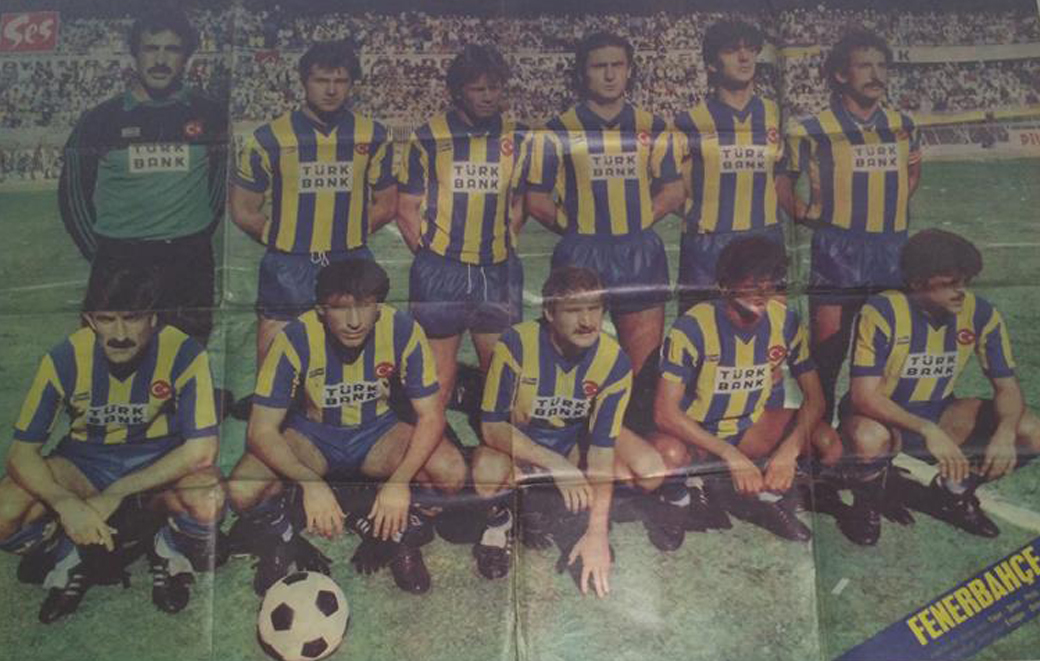 Fenerbahce – 5th with 42 points. Rather weak season.
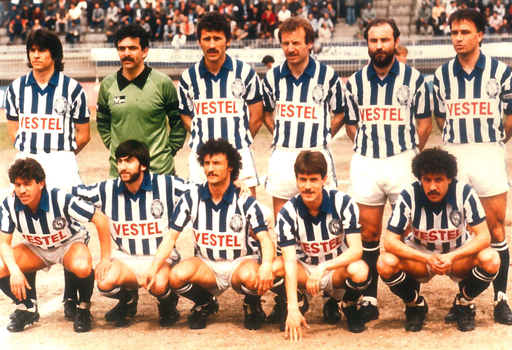 Sariyer – 4th with 43 points.
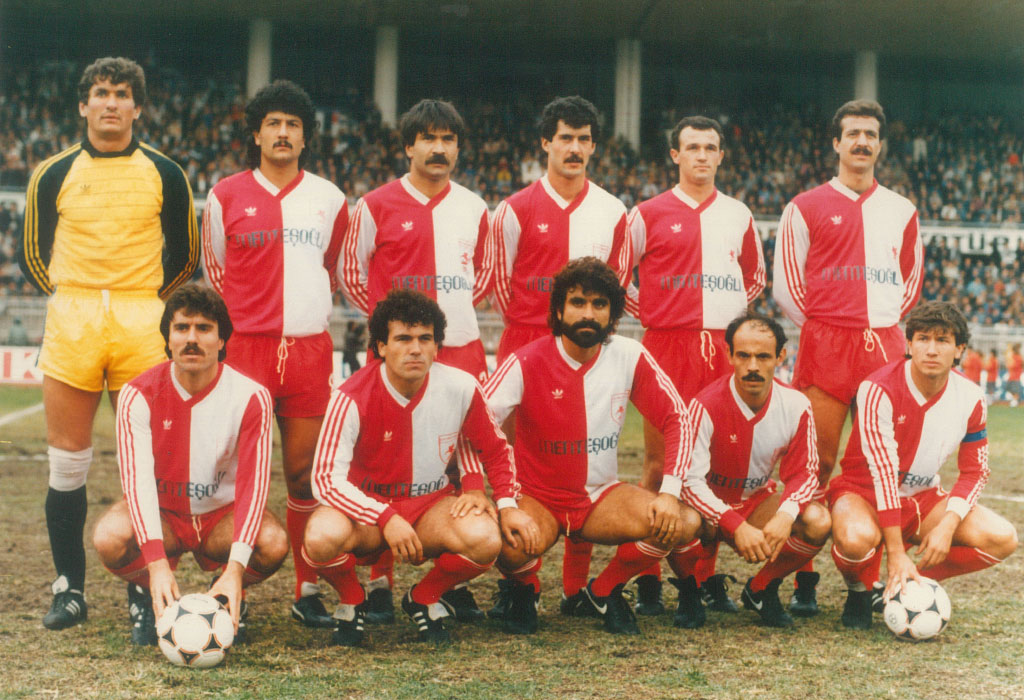 Samsunspor – 3rd with 48 points. Excellent season for Samsunspor, but still way behind the leaders.
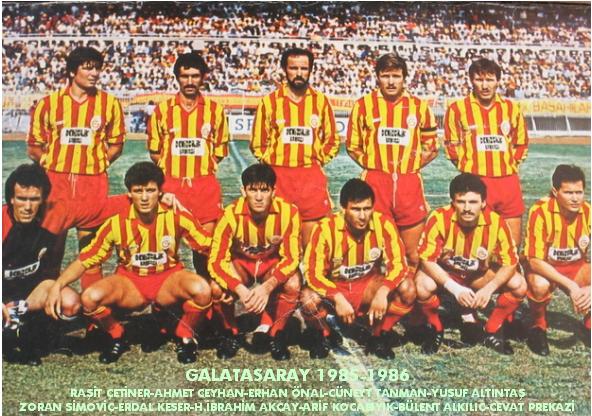 Galatasaray, dressed here in unusually for the 1980s sloppy-made kit, perhaps suffered one of their greatest disappointments in history: they lost the title on worse goal-difference after fantastic season – rarely a team ends championship unbeaten. Galatasaray won 20 games and tied 16. They had the best defense in the league, conducted by the former Yugoslavian national team goalkeeper Zoran Simovic, considered by many one of the top 5 all-time best keepers in his native country. Another Yugoslavian star, Dzevad Prekazi, made the attacking line lethal. However, the goal-difference was 57-20 at the end and that was not enough… so unlucky.
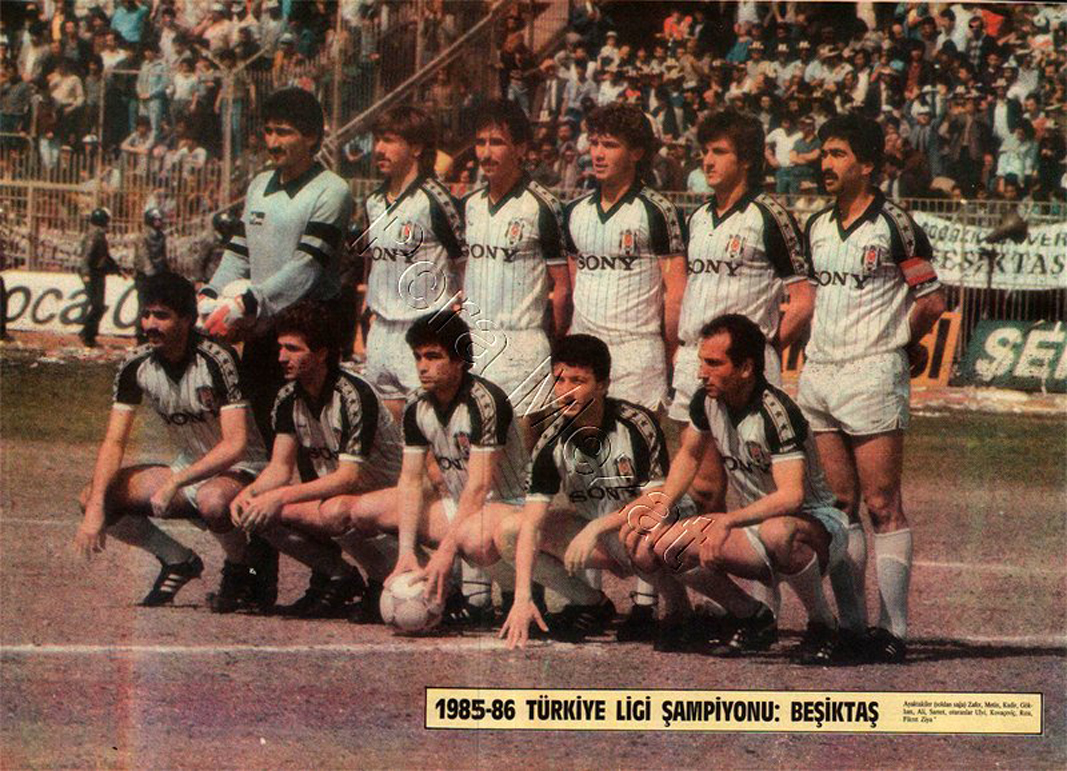 Besiktas was coming after a bit of a dry spell – they did not win the championship for about 5 years and craved a title. Strong season, no doubt, but unable to win over Galatasaray in the direct clashes. They lost 2 games, but compensated by winning 2 more than their rivals did and at the end the points were equal. Besiktas won 22 games, tied 12, lost 2, and prevailed on better goal-difference: their defense was similarly strong as Galatasaray’s, but the attack scored more goals to the tune of 65-21. That clinched the title: Besiktas finished +44, Galatasaray +37.
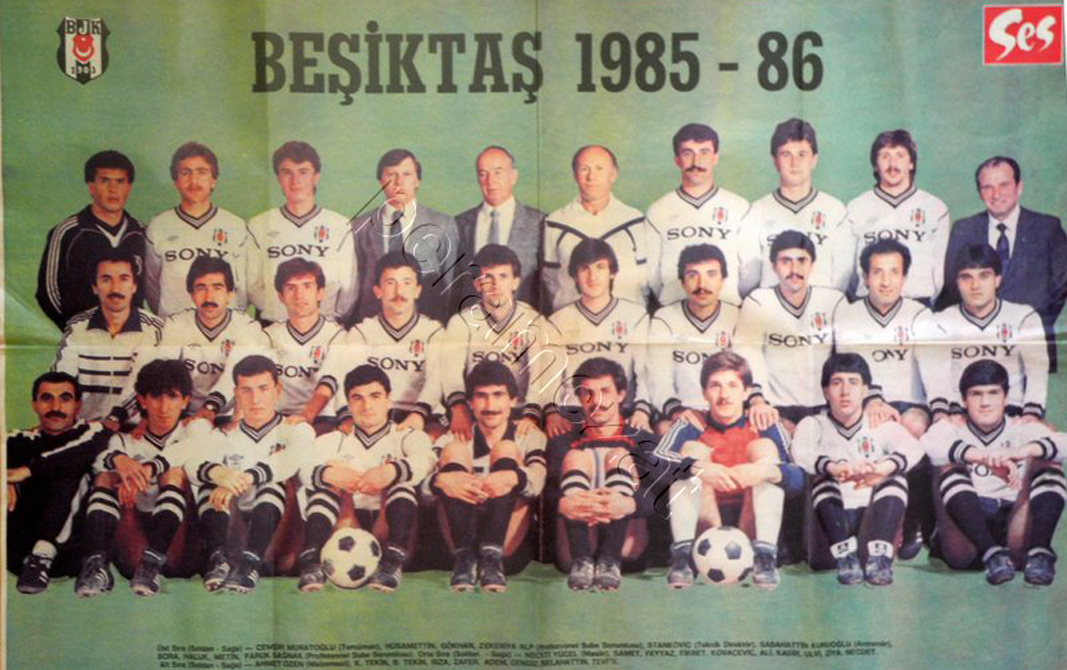 This was Beskitas’ 7th title and may be one of their sweetest – not just because of the dramatic was they got it, but because they outrun an unbeaten team. There was a bit of luck, but not much – Besiktas had great squad, wonderful coach – the Yugoslav Branko Stankovic, and a leading striker, also a Yugoslav – Mirsad Kovacevic. Overall, perhaps not a better squad than Galatasaray’s, but no weaker either. Well deserved victory.
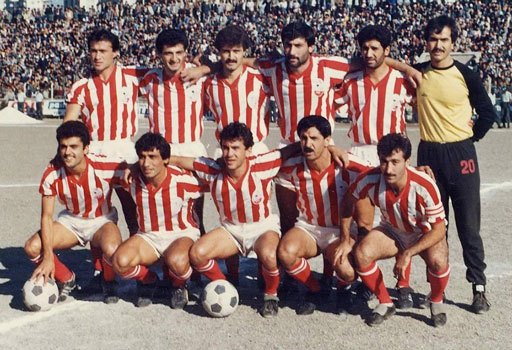 Kahramanmarasspor – 8th with 32 points. Grass was scarce at this level.
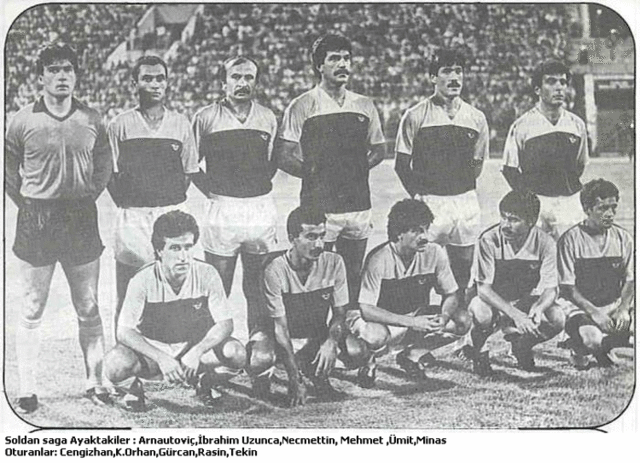 Adana Demirspor – 2nd with 46 points. Bests strikers and defenders in the group, but lost the battle for promotion by a single point. Recent top league members had foreign players in the their squads – the Yugoslavian goalkeeper Arnautovic on this occasion.
 Diyarbakirspor clinched 1st place and earned promotion: 19 wins, 9 ties, 4 losses, 47-21 goal-difference and 47 points.
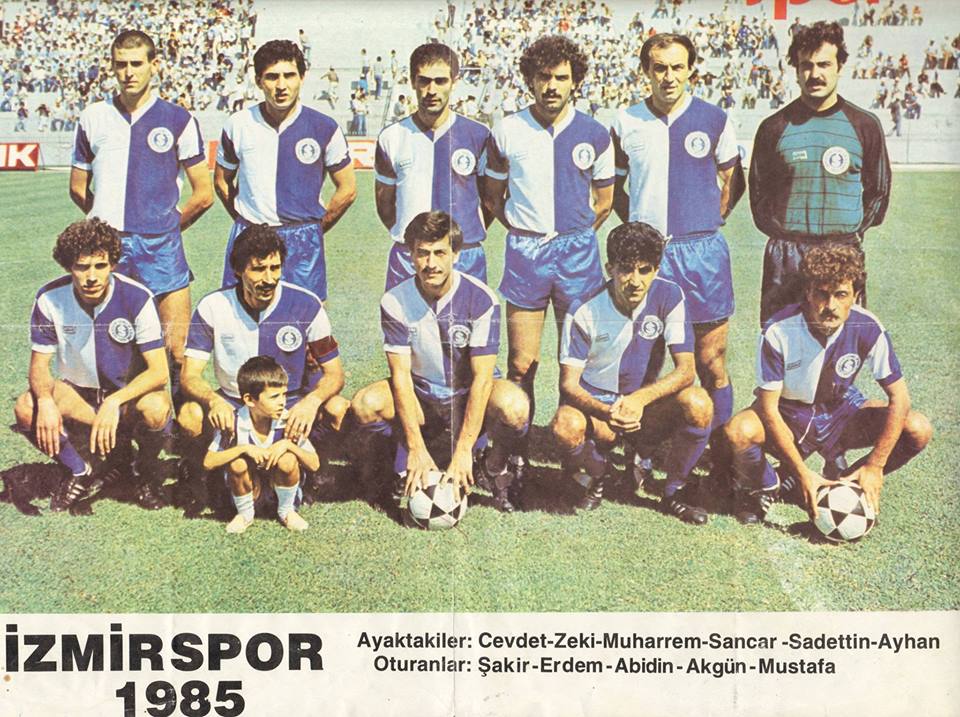 Izmirspor – 12th with 30 points.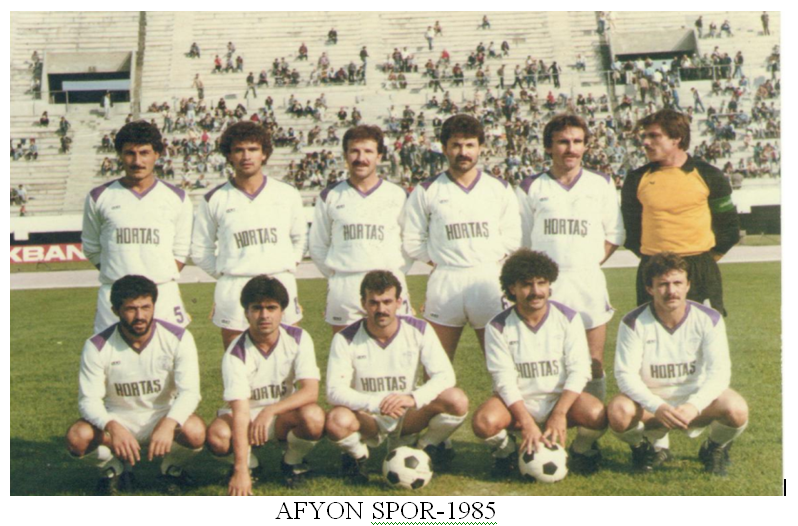
 Boluspor was lucky, no doubt, but quickly returned to top flight. 21 wins, 10 ties, 3 losses, 42-15 goal-difference and 51 points. They rather tiny stadium for top division club, but it was not all that important before 1990.
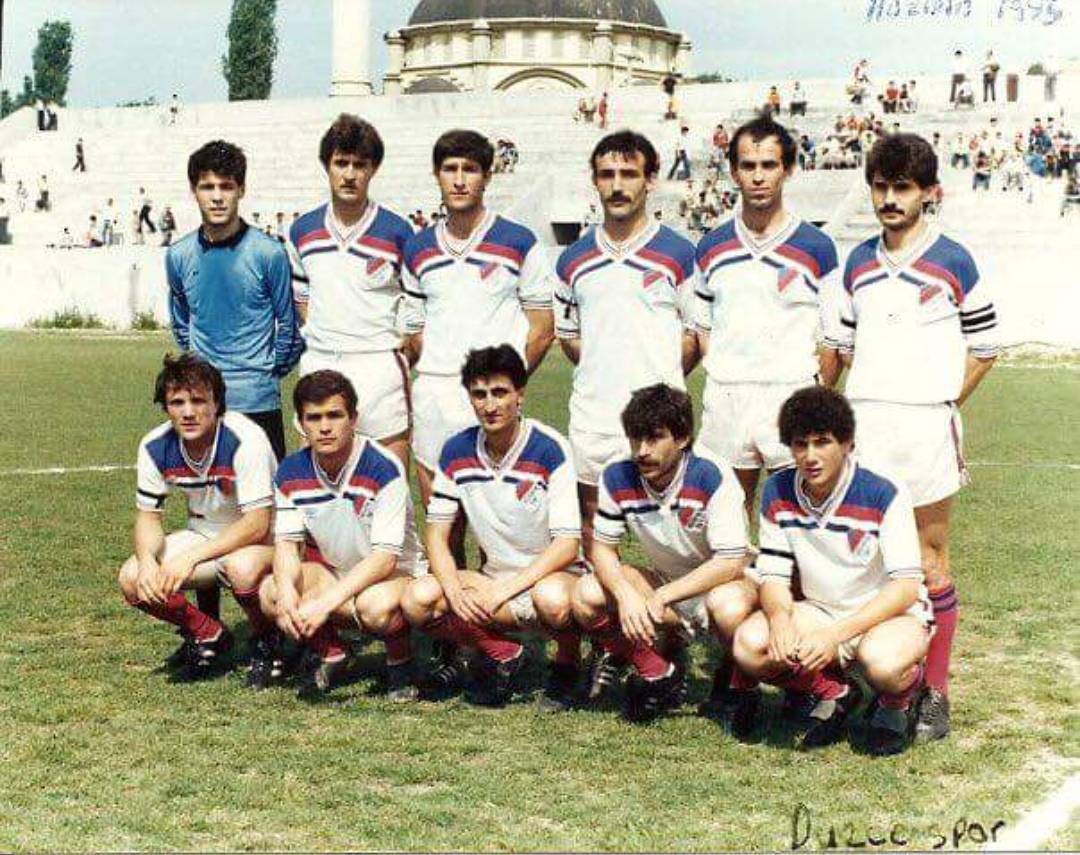 Duzcespor – 11th with 32 points.
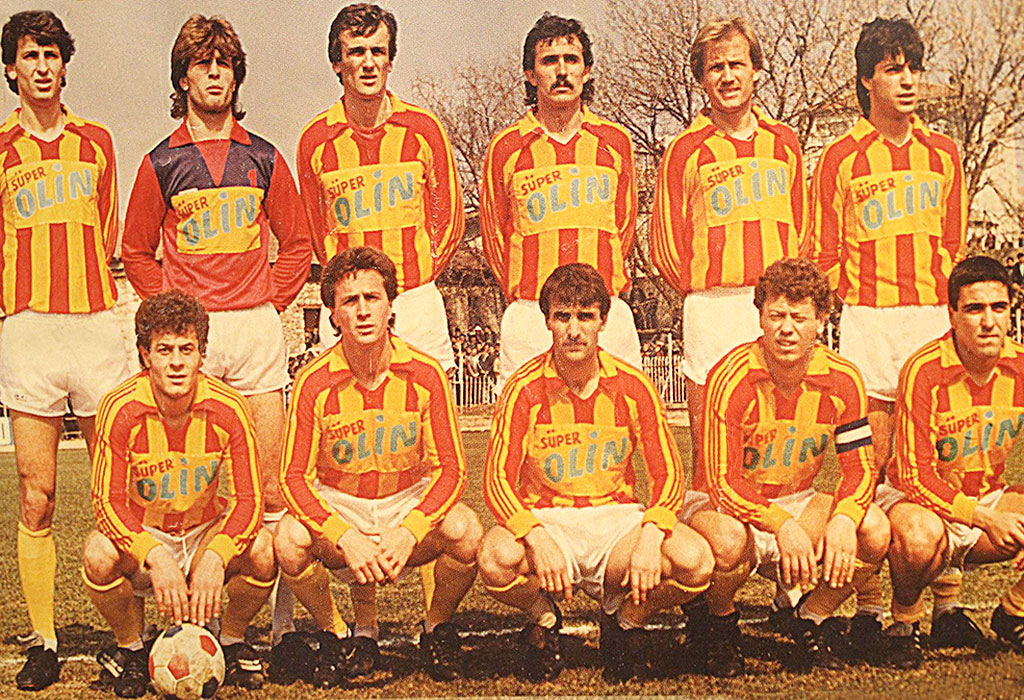 Edirnespor – 4th with 37 points.
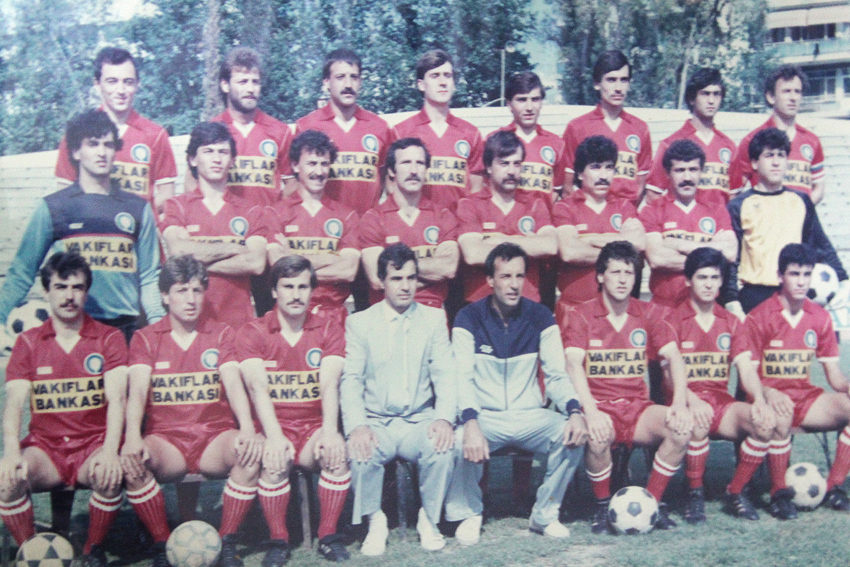 Antalyaspor – just relegated, but too strong and ambitious to stay in the second level. They dominated the championship and won it with 52 points from 22 wins, 8 ties, 4 losses. 60-20 goal-difference. Adanaspor outscored them by 13 goals, but trailed 5 points behind, not a threat. Antalyaspor went back to the top league.
 Moss FK won Group A of Second Division with 35 points – 5 points ahead of the nearest rival.
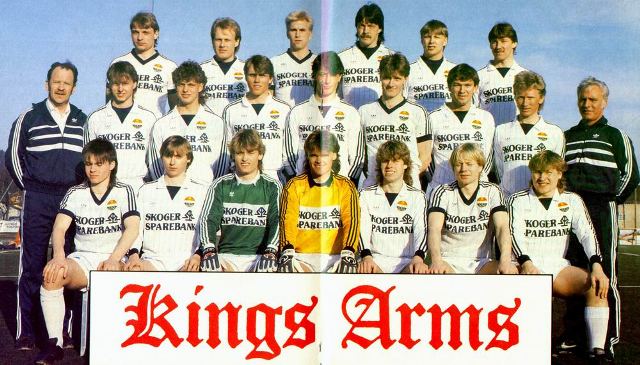 Interestingly, Strømsgodset was very weak this year, finished 10th with 16 points and was relegated to Third Division – more often than not they used to play top level football. Third rrow from left: Olav Gjesteby, Bjørn Solum, Ulf Camitz, Ole Viggo Walseth, Tor Sara, Isak Ole Hætta.
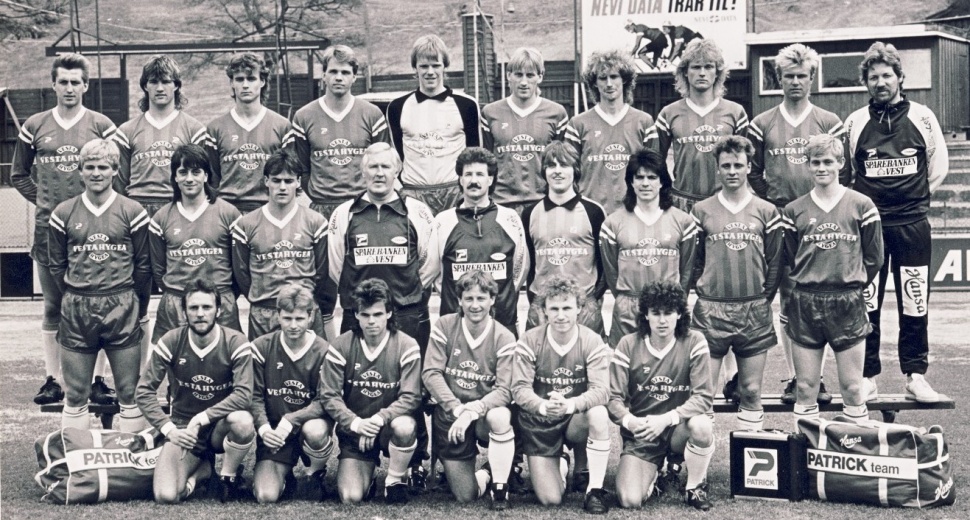 Brann (Bergen) had no equal in Group B, winning it with 35 points. Top row from left: Per Hilmar Nybø, Trond Devik, Trond Nordeide, Sævar Jønsson, Bjarni Sigurdsson, Arne Møller, Fridtjof Wilborn, Ivar Morten Nordmark, Lars Moldestad, Rune Enehaug (fysioterapeut).
 Moss and Brann were promoted; Vidar,
 Drøbak/Frogn and Tromsø – 19th in First Division – went to the promotion/relegation play-off to compete for 1 top-league spot. No luck for the second division teams here – Tromsø beat them both and escaped relegation.
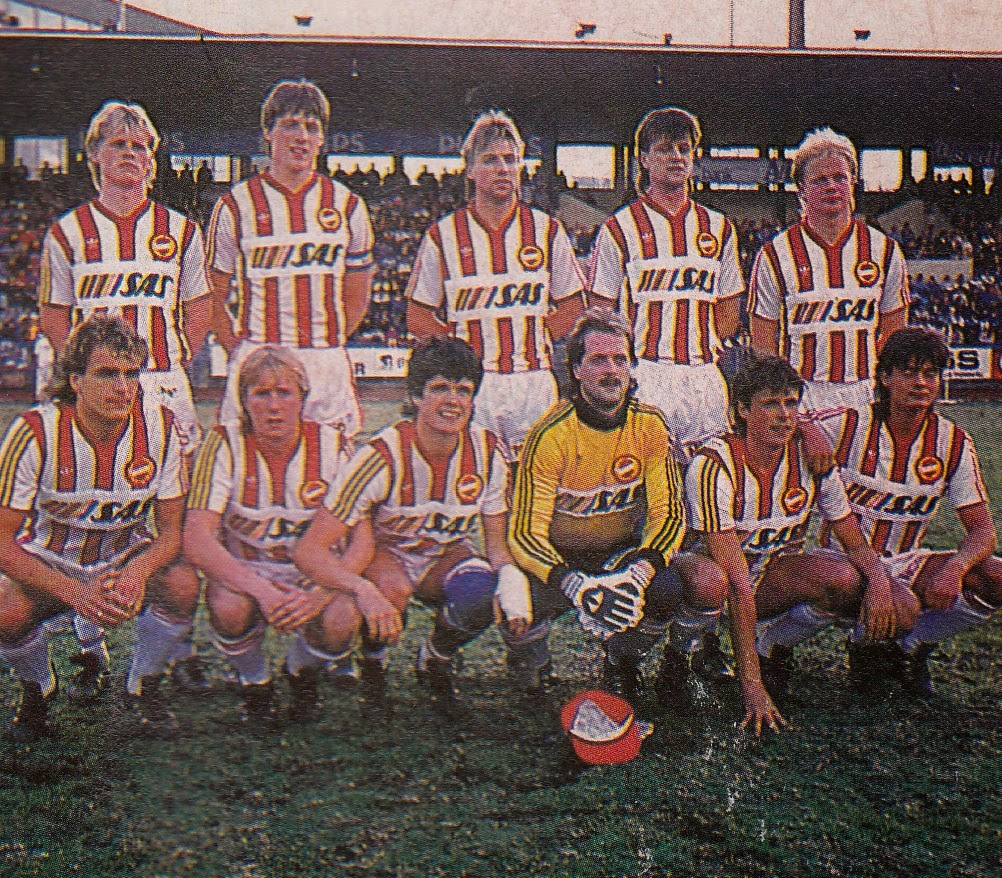 Saved in the last minute: Tromsø.
 Molde was lucky – 9th with 20 points.
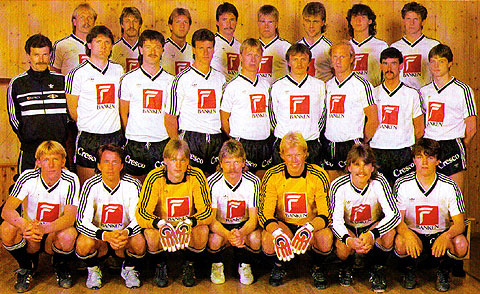 Rosenborg was just 8th with 21 points – closer to relegation than success.
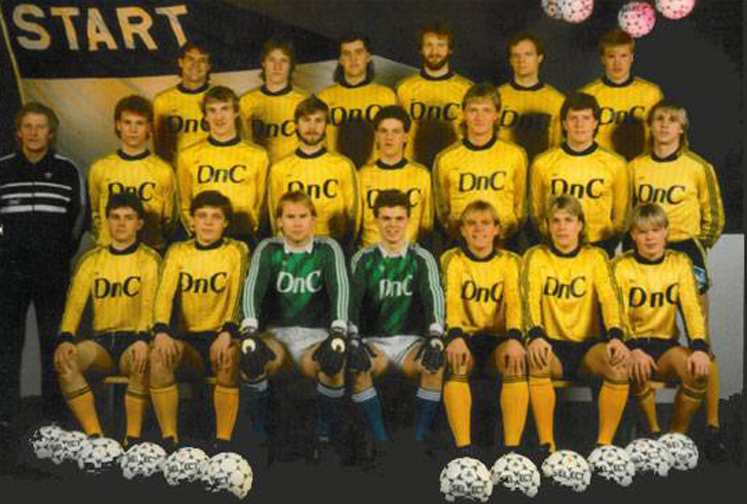 Start had so-so season – 4th with 24 points.
 Lillestrøm dominated this championship and easily won it 6 points ahead of the nearest pursuers. 16 wins, 1 tie, 5 losses, 40-17 goal-difference, 33 points, and 4th title. They had to wait almost 10 years for it, but the come back was very powerful. It was going to be a double…
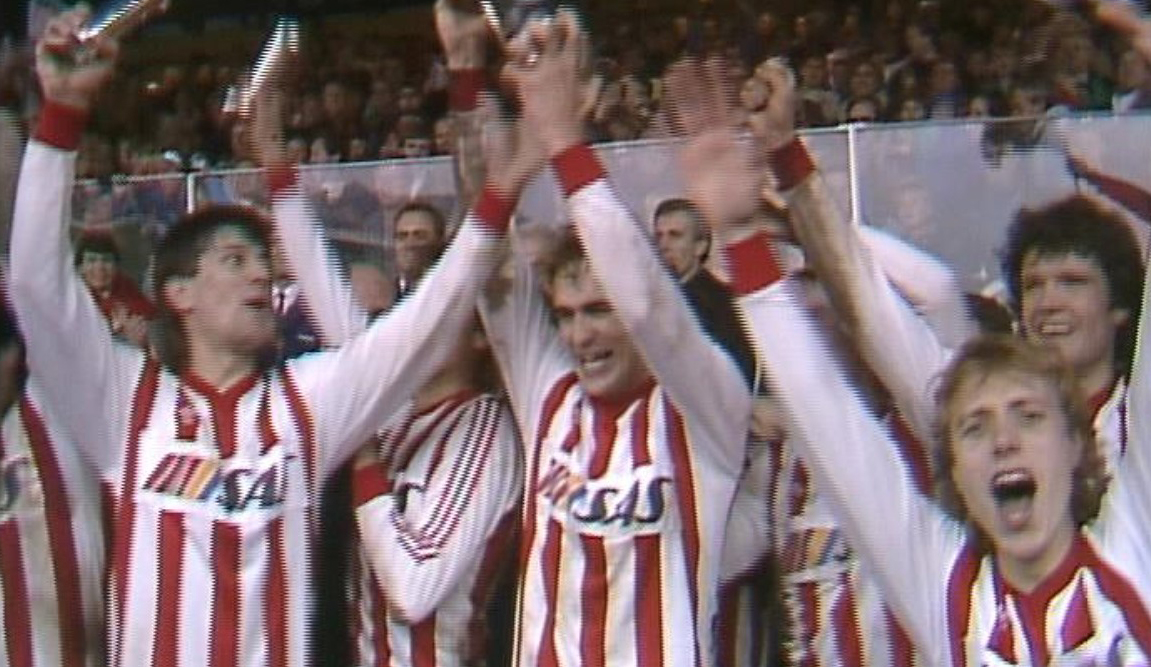 The unlikely heroes received the Cup and their joy was endless.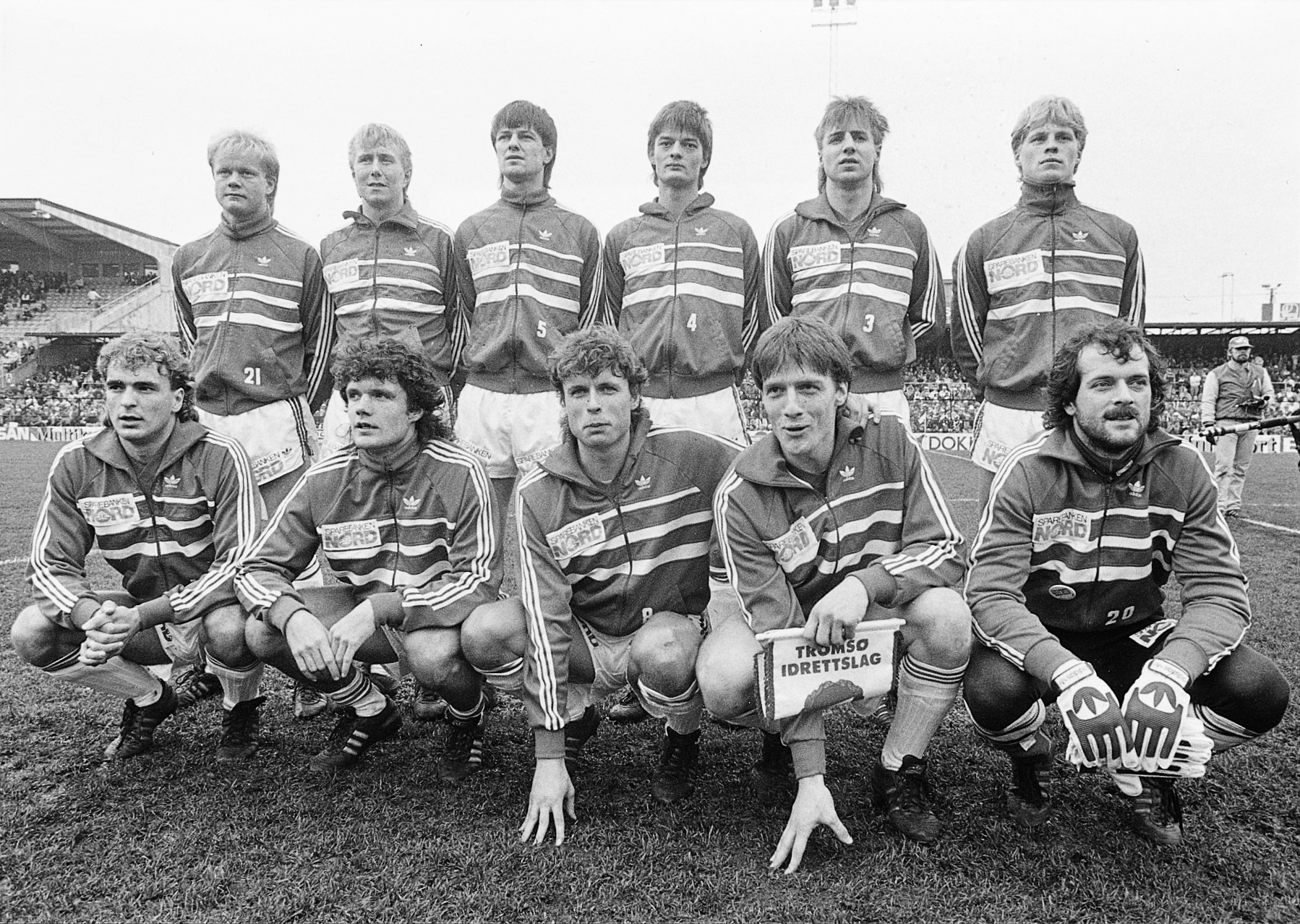
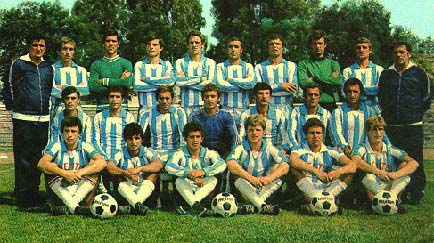 17 Nentori (Tirana) eventually lost the title, but still won the Cup and finished the season in high spirits. This was their 6th Cup, but who could tell at the moment of triumph that this was their last Cup victory? Or was it? After 1991 they changed their name to SK Tirana and continued to win trophies.
 Skenderbeu (Korce) took 2nd place with 15 wins, 5 ties, 6 losses, 35 points, and 35-14 goal-difference.
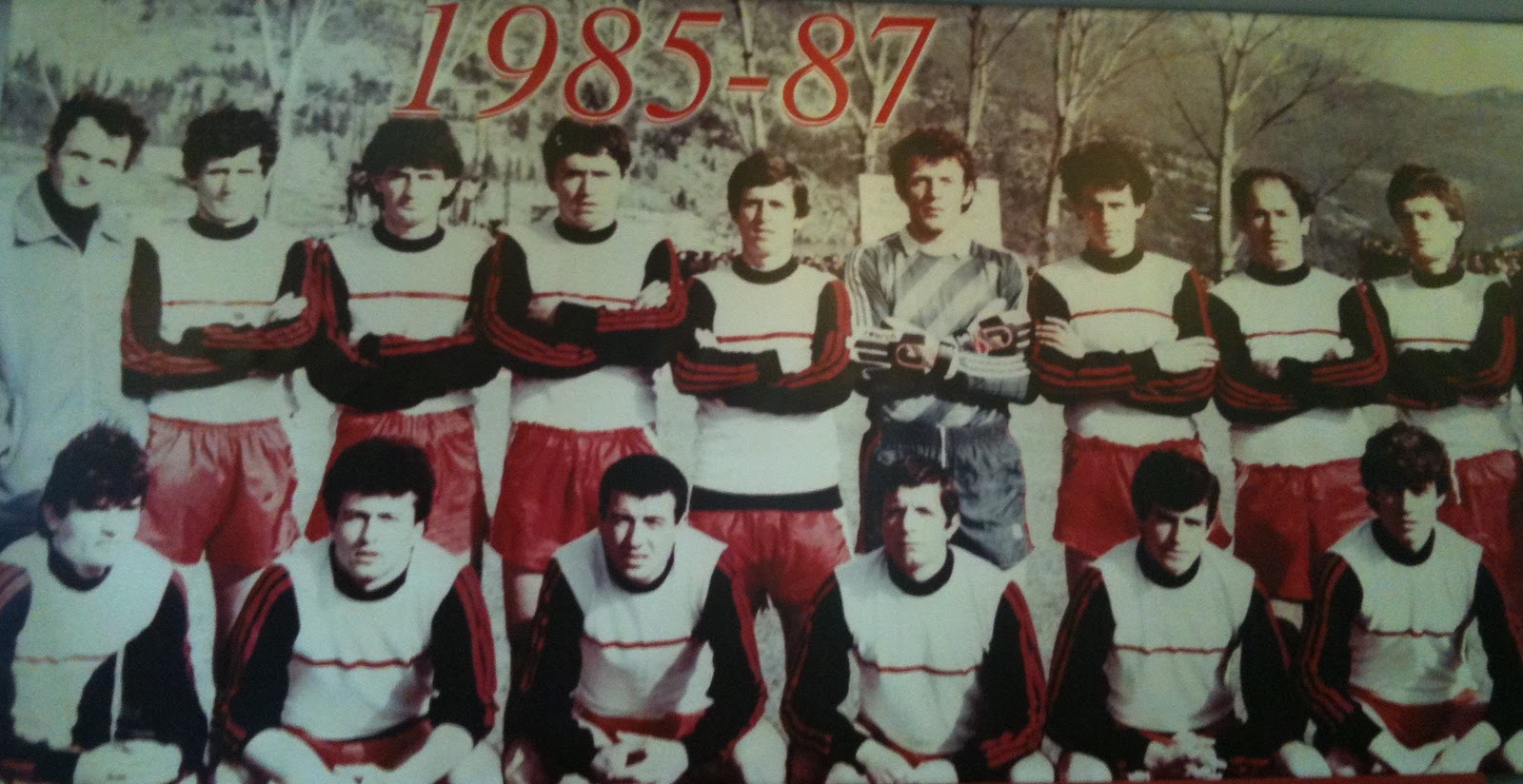
 Besa (Kavaje) became champion of Second Division with exactly the same record, except their goal-difference was 43-22: +21 goals, just like their rivals, but since they scored 43 goals and Skenderbeu only 35, Besa got the title. But both teams returned to top flight after a single season in exile.
 The other relegated was Beselidhja (Lezhe) – 13th with 18 points.
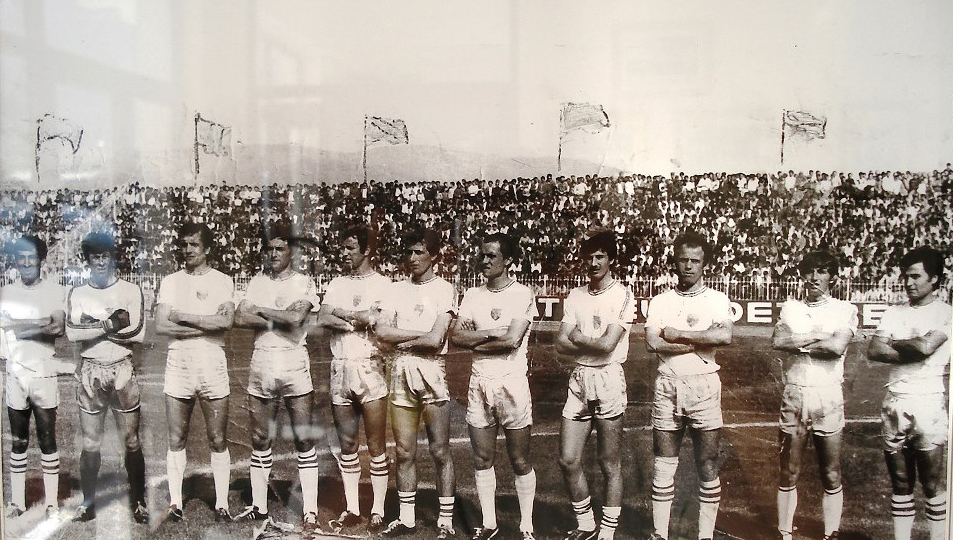 Tomori (Berat) exemplified the weak group – 10th with 21 points.
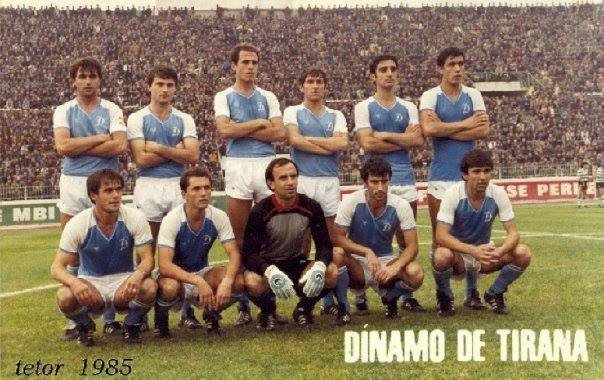 Dinamo (Tirana) finished with 49-20 goal-difference: +29 and thus clinched the title. It their first after 1979-80 and their 14th altogether. Lucky champions, no doubt, but there was still heavy price to be paid. They, along with Flamurtari and 17 Nentori were ‘fined’ 3 points each by the FA disciplinary committee. The crime? During the season every leading team collected more than 20 red/yellow cards. Looks like the top teams played vicious football, which probably was true, although hardly something new. It also looks like they were the only teams playing rough – nobody else was found guilty and that casts some doubts on the attempt for fair-play by the FA. The penalties were going to be consumed in the next season, so the three top teams were starting the 1986-87 with -3 points. Strange…
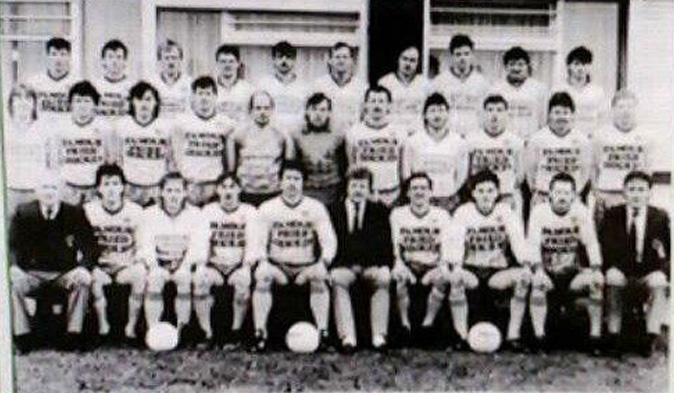 Limerick City had a so-so season – 6th with 24 points – but they also marked a new divide: they finished 5 points ahead of Athlone Town, 7th, which suggested that the enlargement of professional football was perhaps further weakening of most teams – the newly reduced top league was sharply divided into two groups of teams and perhaps the limited resources of the country could not support more than half-a-dozen decent teams. Say what you like, but even among the better teams there was no strong competition – Dundalk finished 3rd with 30 points and Galway United came closest to rivaling the best known Irish club with 31 points. But were they really close?
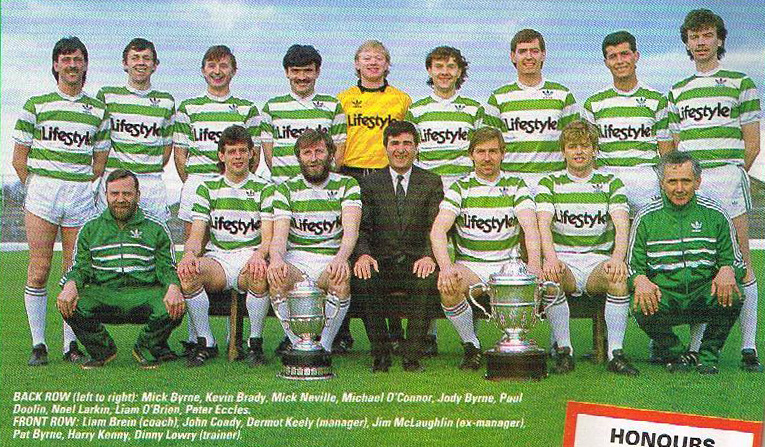 Shamrock Rovers won the championship like many times before. On the surface, it was not an easy season – they were only 2 points ahead of Galway. No doubt, Irish spirit kept every team fighting against Shamrock Rovers, but ability was limited and really the leaders had it easier than their rivals, especially against the weaker half of the league. At the end, they won 15 out of total 22 games, tied 3 and lost 4. Galway lost fewer games – 3 and Dundalk 4, but both challengers won only 12 matches each and that was the big difference making Shamrock Rovers winners. They scored most goals – 44 – and had second-best defense – 17 (Dundalk allowed only 16 goals in their net). At the end, the attack prevailed and attack was most important against the weaker teams in the league.
 Waterford United was weaker, no doubt, and winning was not their forte – ties were their specialty this season – but at the end their disappointment was compensated with a chance for playing a bit of international football by representing Eire in the Cup Winners Cup. Thanks to Shamrock Rovers, as it was…
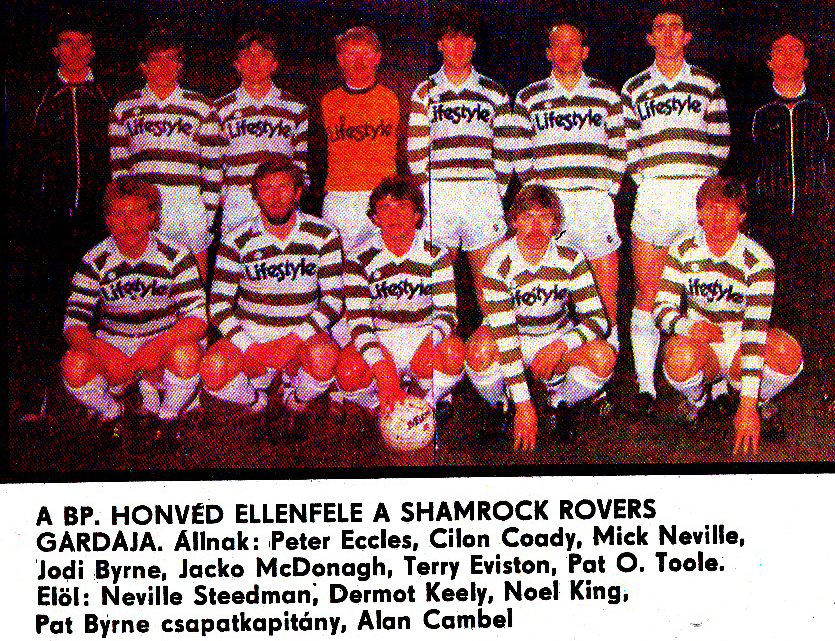 Rovers collected one more cup and repeated their Cup success of the previous year. A double was the final result of the season, clearly proving that they were the strongest Irish club even in the new environment. Some things never change.
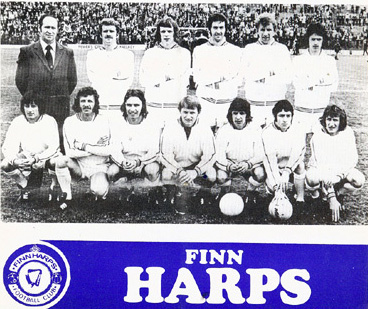 Finn Harps – 7th with 13 points. Cobh Ramblers – 6th with 15 points and the lowest scoring team in the league with only 14 goals. Drogheda United – 5th with 18 points.
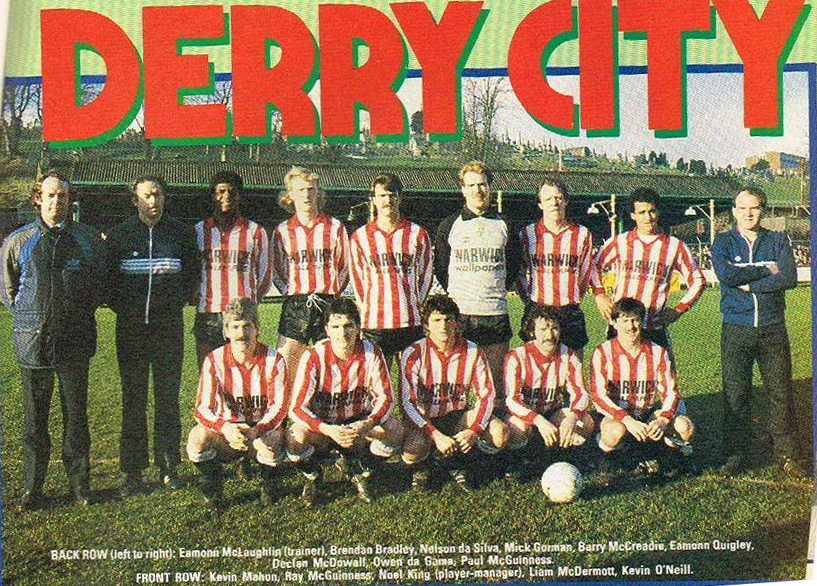 Derry City was 4th with 22 points, Longford Town – 3rd with 25 points.
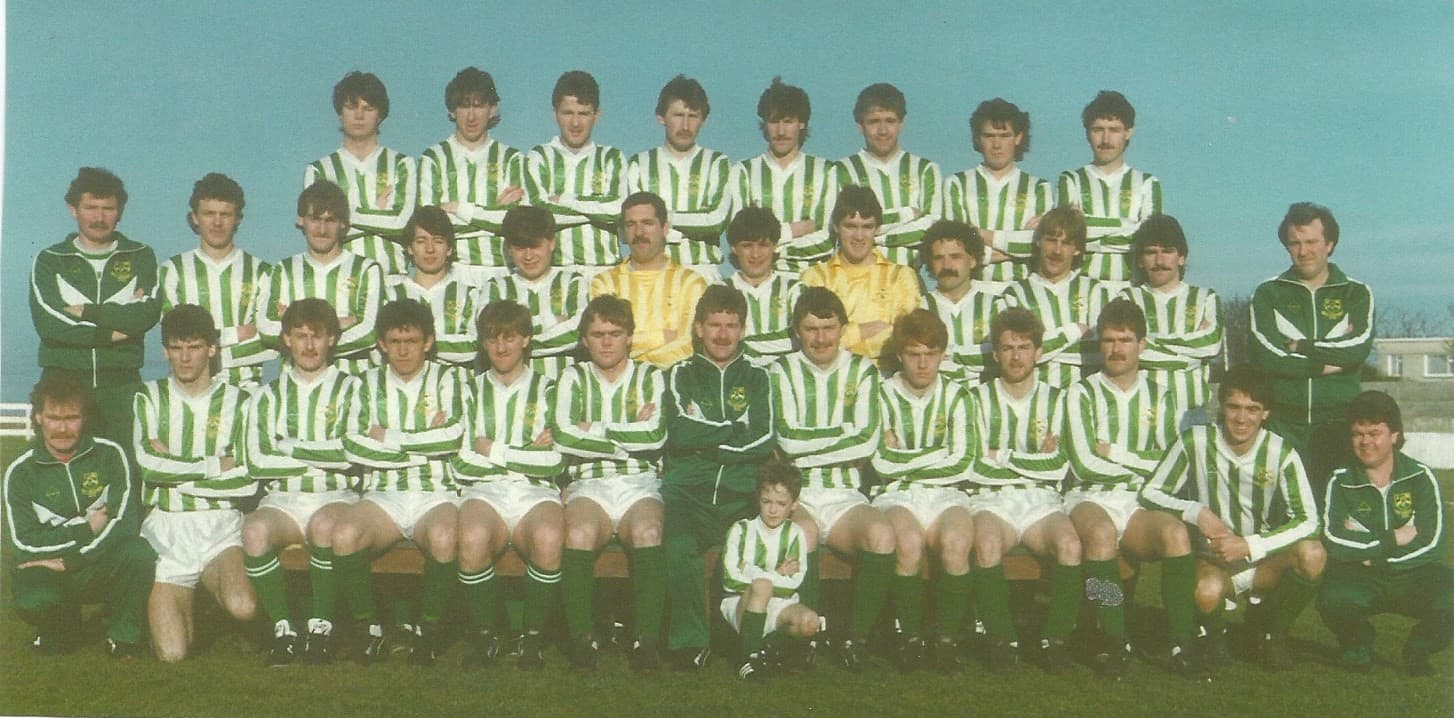 Bray Wanderers got the laurels – the newcomers were pleased to win the very first Second Division championship. They had splendid season, losing just once – the rest was 11 victories and 6 ties. They scored 30 goals – 2 teams scored more goals than them, but none equal them defensively – the first champions allowed only 10 goals in their net. It was not easy sailing at all – Sligo Rovers was equally ambitious and Longford Town not far away either, but at the end Bray Wanderers was one point ahead of the old top division member Sligo. It was just great. Promotion was even better – the club immediately proved its worth and may be justified the creation of the new division to the sceptics.
 Lucky, unlucky, Ikast fS lost and the margin was perhaps objective – minimally, they also finished behind B 1903 in the championship – 1 point difference in the championship, 1 goal difference in the final: small, but still a difference.
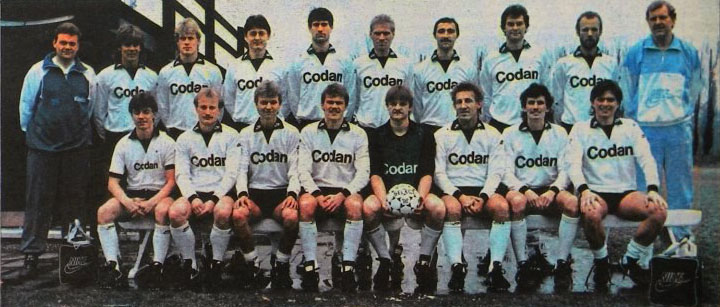 B 1903 (Copenhagen) triumphed and that was great for the old club, for they hardly ever won: this was their 2nd trophy, both times Cup winners. Sitting from left: Jorgensen, Norager, Rasmussen, Max Petersen, Palle Petersen, Nygaard-Andersen, Ibenfeldt, Valentin (?).