The final. Chile never won Copa America and very much wanted to get it at last. Uruguay had a chance to equalize the record of Argentina, if winning the title for 9th time. The stakes were high. But it the 1980s and South America… high stakes practically predetermined the match, which immediately followed the pattern of the whole championship. Little football was played, it was just vicious battle.
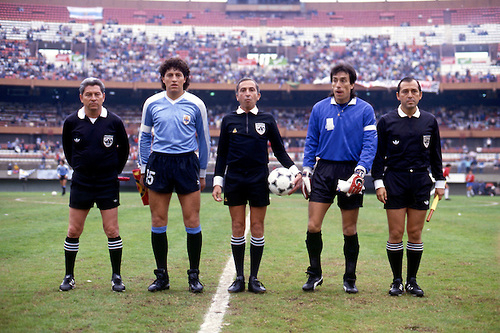 The peace ended right here – at the picture of captains and referees before the start. The great Brazilian Romualdo Arppi Filho officiated the final and he followed his motto “I always tell the players – you play, I judge’, and he was often criticized for that – this final was no exception.
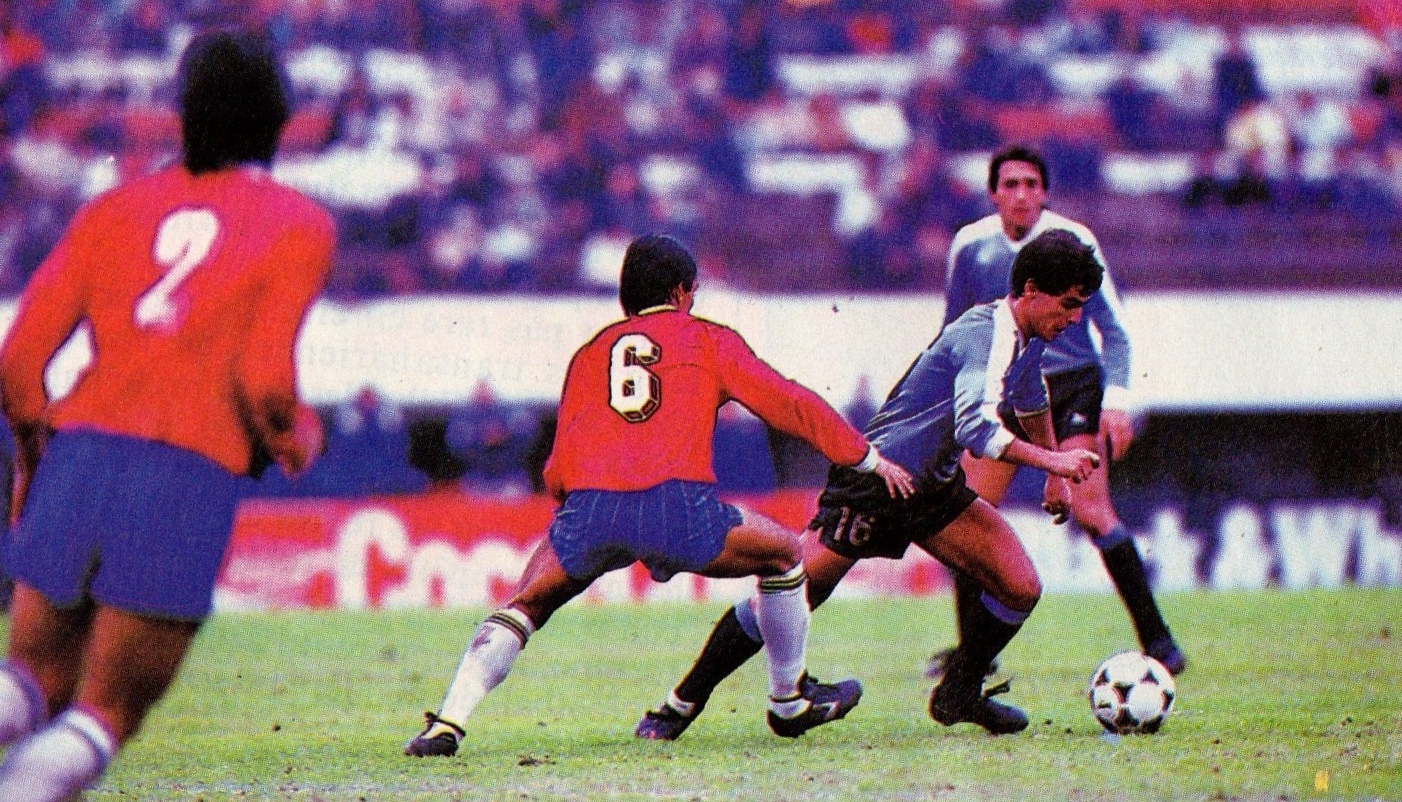 There was no football at all – the great finalists went into kicking each other from the start of the game and never stopped. The Chileans were livelier at first and looked more dangerous. But they also displayed some naivety – they kicked the Uruguayans quite openly.
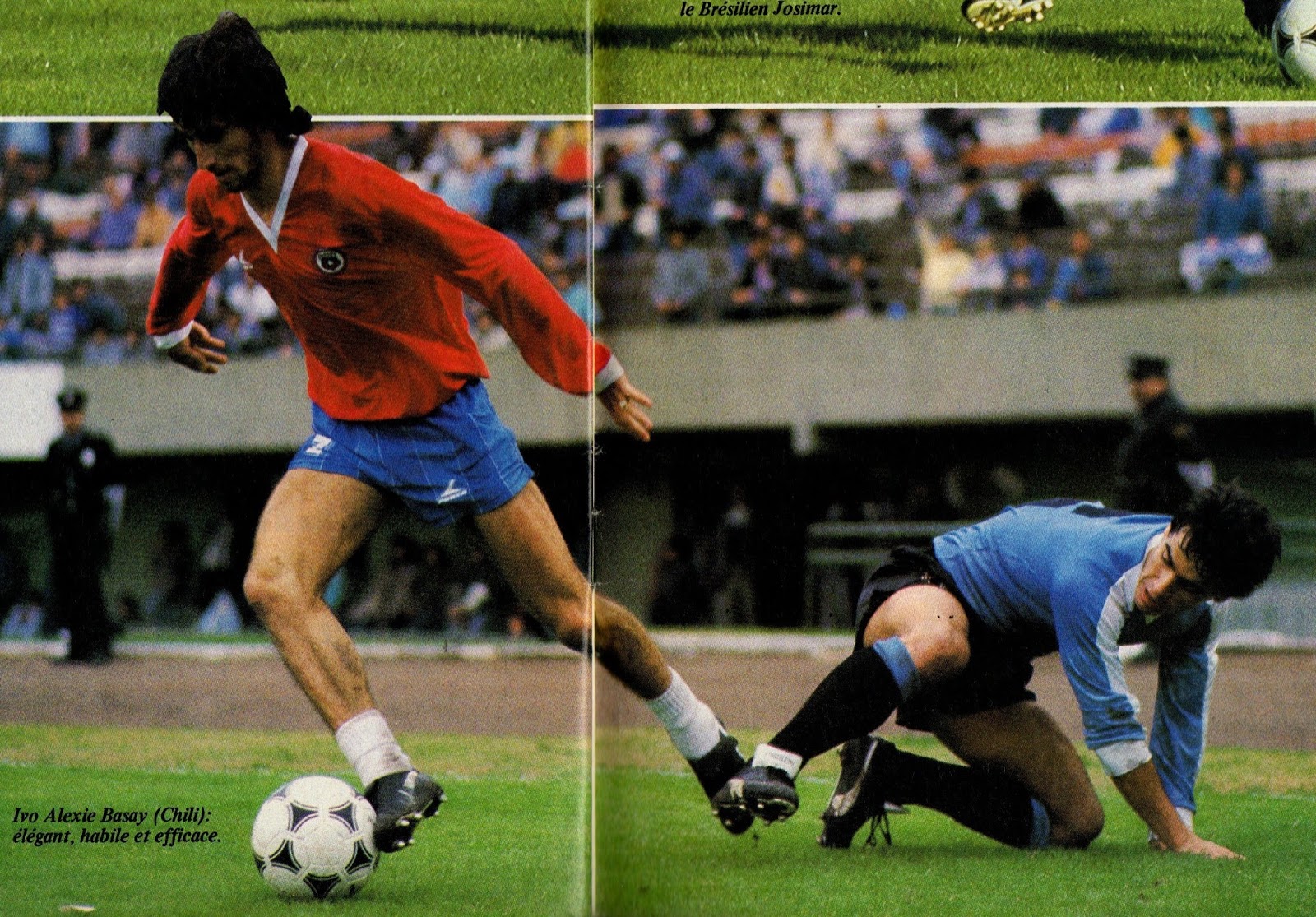 The Uruguayans were crafty – they perfected dirty play long time ago: it always looked a borderline, may be they really played for the ball, but missed it in the last moment and kicked Chilean shin instead. Nevertheless, Arppi Filho had to blow the whistle twice in a single minute.
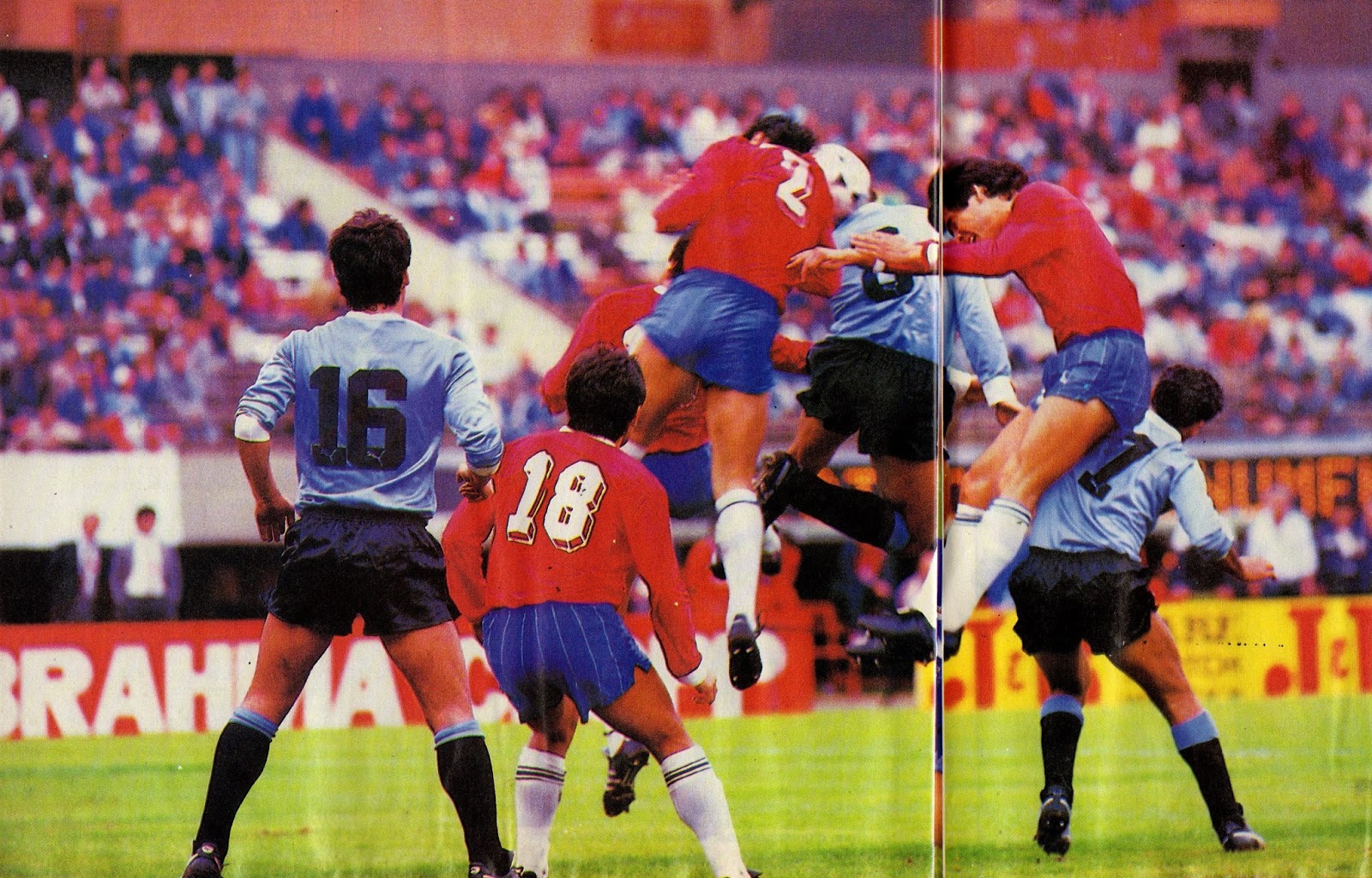 Football was hardly played at all – if a player was brought down already and managed to try some pass in front of the net, a whole bucket of players was there fighting for it by every possible mean. Eventually, the Chileans got some chances to score in the first half, but missed the net. But it was largely ugly kicking opponents – the Uruguayans just equally kicked every Chilean in sight, Chileans focused on Francescoli. It was so blatant and provocative, that even Arppi Filho run out of options to stay blind – he had no chance, but to red card Eduardo Gomez in the 14th minute. What else he can do? Francescoli was kicked about 4 times in succession in less than a minute.
Yes, Arppi Filho had to be blamed: the ugliness was clear from start, but he only registered fouls and did not yellow-card anybody, nor he warned anybody. The brutality only escalated and the rather late expulsion of Gomez did not help – Francescoli was already greatly provoked, the Chileans saw that and continued to kick him at every moment he got the ball. And after another serial kicking Francescoli snapped in the 27th minute and tried to retaliate. However, what followed only added to the ill spirit of the game: Francescoli was red-carded for what seemed to be arguing with the referee. Now it looked like Uruguay was wrong by the official… he permitted the provocative hunt, expulsion of Gomez was done reluctantly, just because there was no other way at the moment, Francescoli was steadily kicked around after that without even a warning to the culprits, and at the end he – and not the guilty Chilean – was out of the game as if Arppi Filho wanted to restore equal numbers of both teams. Nothing was done to pacify the opponents and bring them back to playing some football – on the contrary, it looked rather as signal by the referee to continue the slaughter. And both teams did just that.
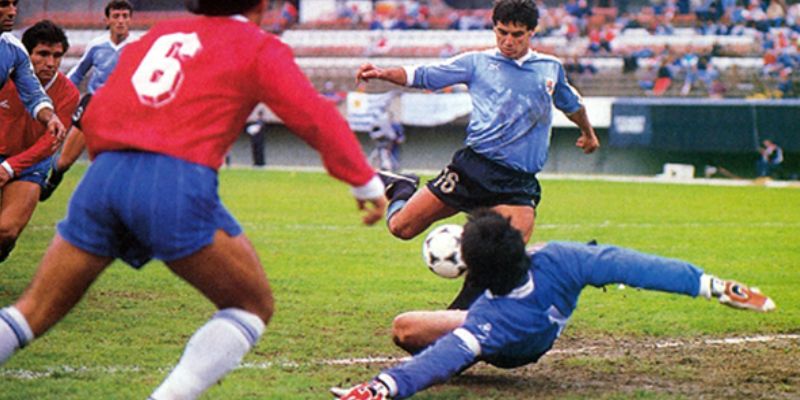 It was, however, familiar and may be even preferable set-up for Uruguay – and they did not miss their rare opportunity to score in the 56th minute. Bengoechea did not miss the chance. In the second half Uruguay looked a bit more dangerous than Chile.
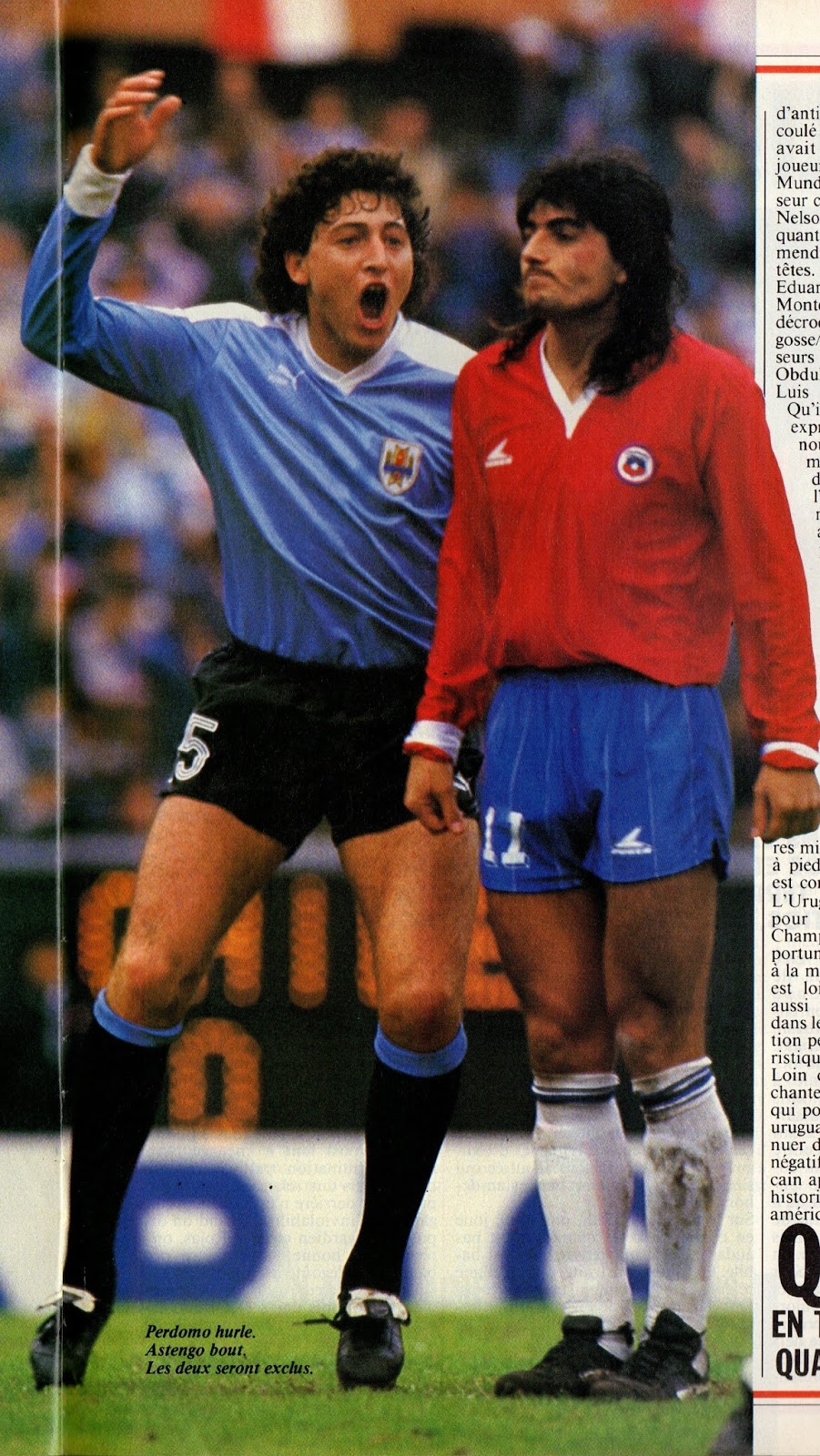 The war continued to the end – and in the 88th minute the Uruguayan captain Perdomo and the Chilean Fernando Astengo were red-carded. Perhaps the picture shows the only difference between the teams: Perdomo still claims innocence and Astengo is somewhat resigned – caught in middle of the crime, guilty as charged. Both teams ended with 9 men on the pitch, but frankly the game should have been abandoned may be around the 35th minute. Then again… stopping the game would have been impossible: no matter how violent, it was the final of a ‘new’ Copa America, promoting it’s ‘modern’ formula and image. It was… lose-lose situation. So, the terrible thing finished on time and Uruguay won.
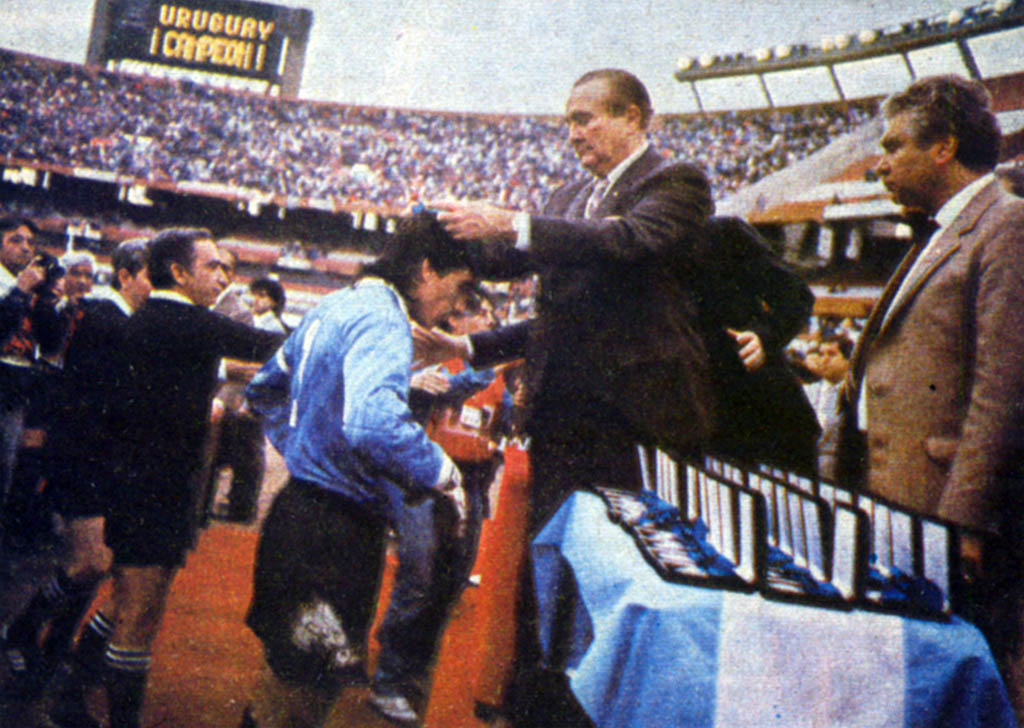
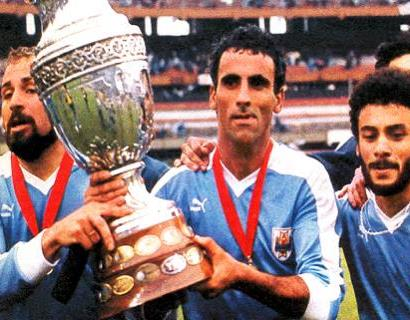 The warriors got the cup and the medals – Perdomo and Francescoli as well, no matter they have been red-carded.
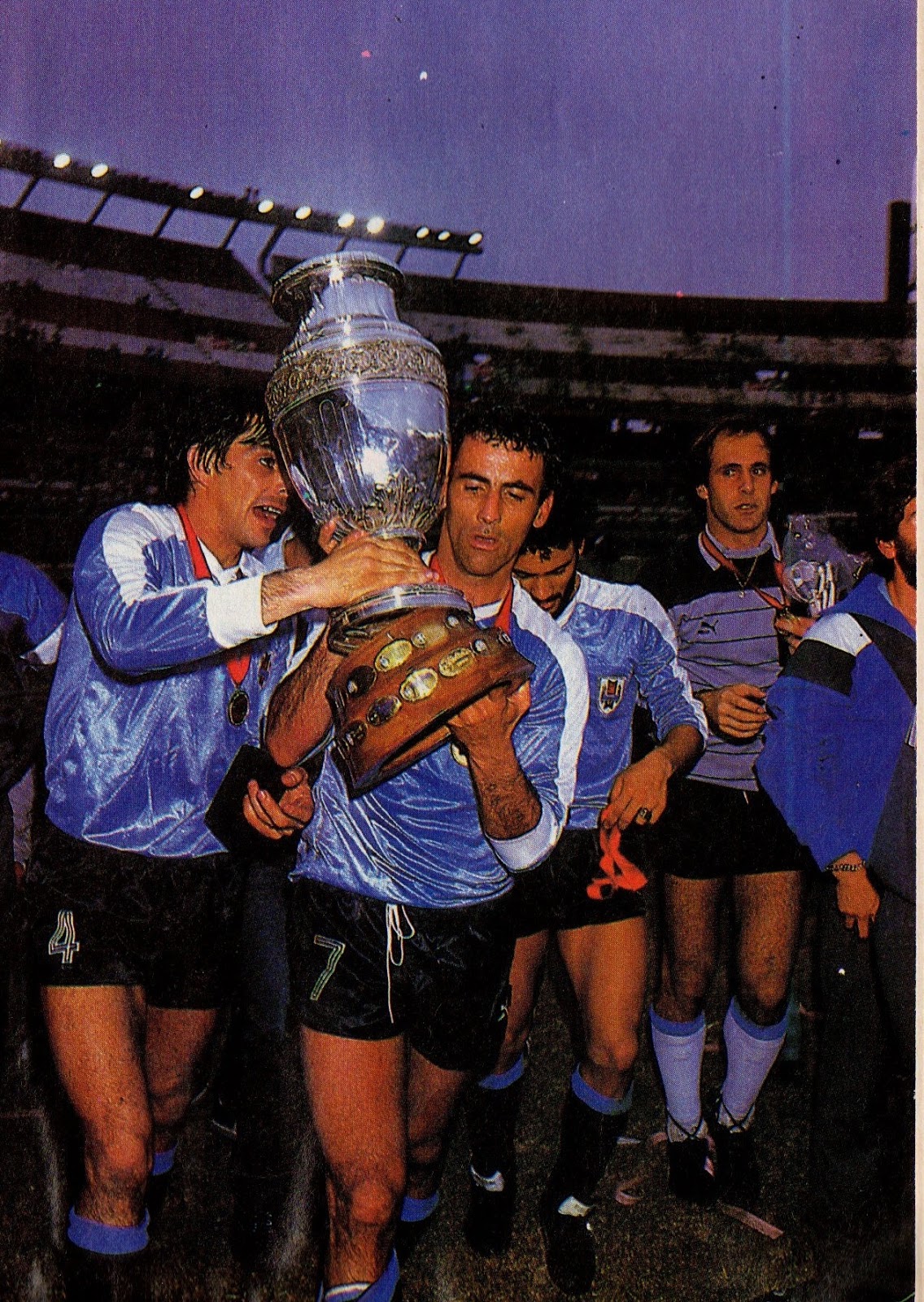 Team Uruguay did its round of triumph, looking not happy, but exhausted.
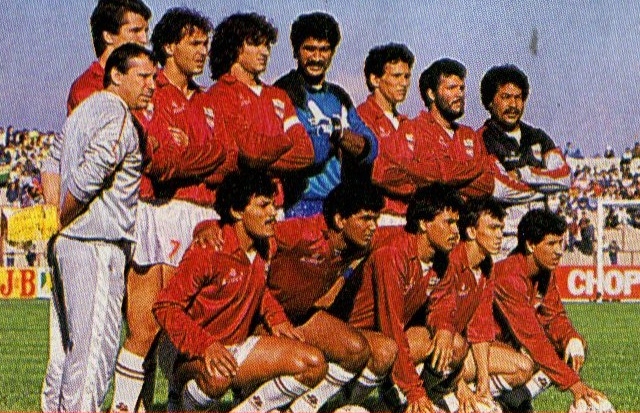
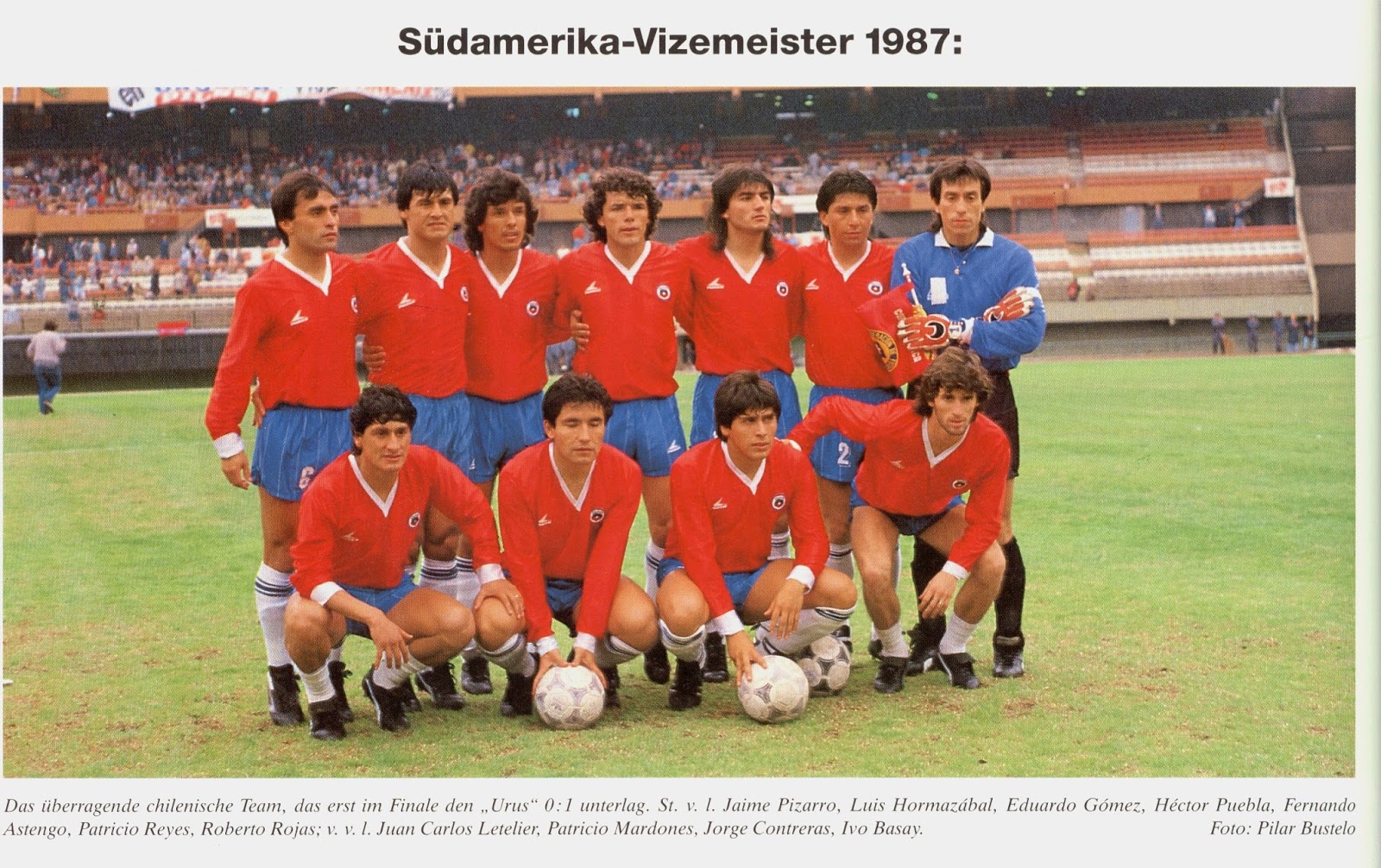 Chile finished second. Forth time second, but once again they were unable to win. Given the poor quality of the final, it is hard to tell how good this vintage was – certainly, there was talent and promise for the future (Ivan Zamorano), but it was not a great squad. Yet, they eliminated Brazil and if anything, at least they did not look weaker than the final winners.
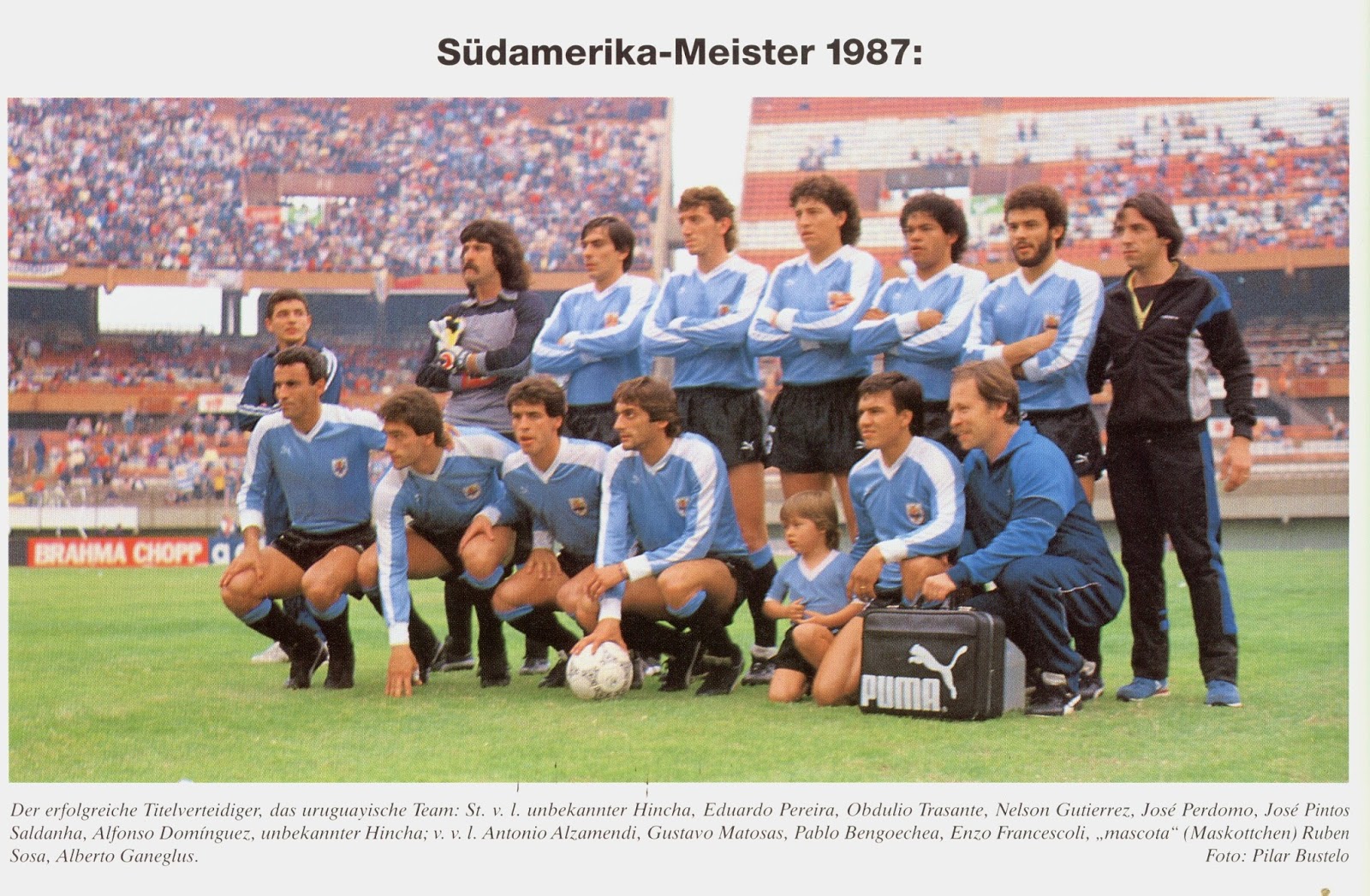 Champions! It depends how one looks at it – on one hand Uruguay defended its 1983 title and equalized Argentina at their own turf: now both countries were the most successful in South America with 9 titles each. Well, wait a minute… that was what some periodicals wrote in Europe at the time. In reality, Uruguay won its 13th title and no longer sharer the record with Argentina, which had won 12th times, lastly in 1959. Let stick to records as established now… Uruguay was number one team in South America and managed to eliminate 1986 World Champions on the way. It was also great to see much criticized and may be to a point improvised squad, led by temporary coach win. On the other hand… nothing so great. The whole championship was a disappointment. In terms of quality of the game, not only nothing new was showed, but it was particularly violent championship even by South American standards. Uruguay was no exception, ending the final with 9 men and red-carded were no others, but the prime stars of the team – ‘Prince’ Francescoli and captain Perdomo. Ugly was ‘old’ Uruguay at the 1986 World Cup and ugly was the new one in 1987. Yes, they were great fighters, very skilled in the art of killing opponents with borderline tackles, which were hard to really call deliberate. Yes, they possessed another great skill: to fight a war without losing their cool, preserving their tactical organization, but the plain fact was Uruguay fought a lot and played very little. It was so much in their blood, that young or old, experienced or not, the Uruguayans player were capable to prevail in such wars and use to their advantage whatever minimal opportunity availed. Thus, they scored and Chile did not – in the 1980s it was already clear that football became a matter of using single opportunity, scoring one goal by hook or crook, and victory was yours. Credit to coach Fleitas and the players for managing to be closely knit collective, to stay focused, to give their best to the very end, but the champions were not a great team. No exciting new name emerged and Franescoli did not shine as he did 4 years earlier. That is the more objective conclusion, but still it was great to see small country coming on top and at least at home it was a moment of triumph.
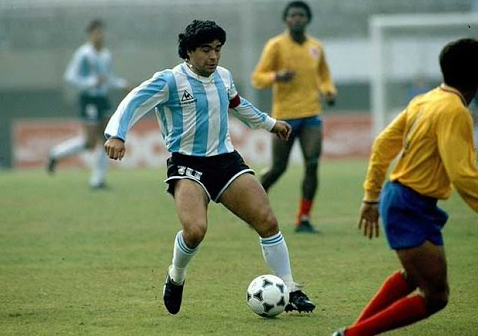 Even Maradona was unable to get bigger interest and support… and rightly so: Colombia was leading 2-0 by the 28th minute.
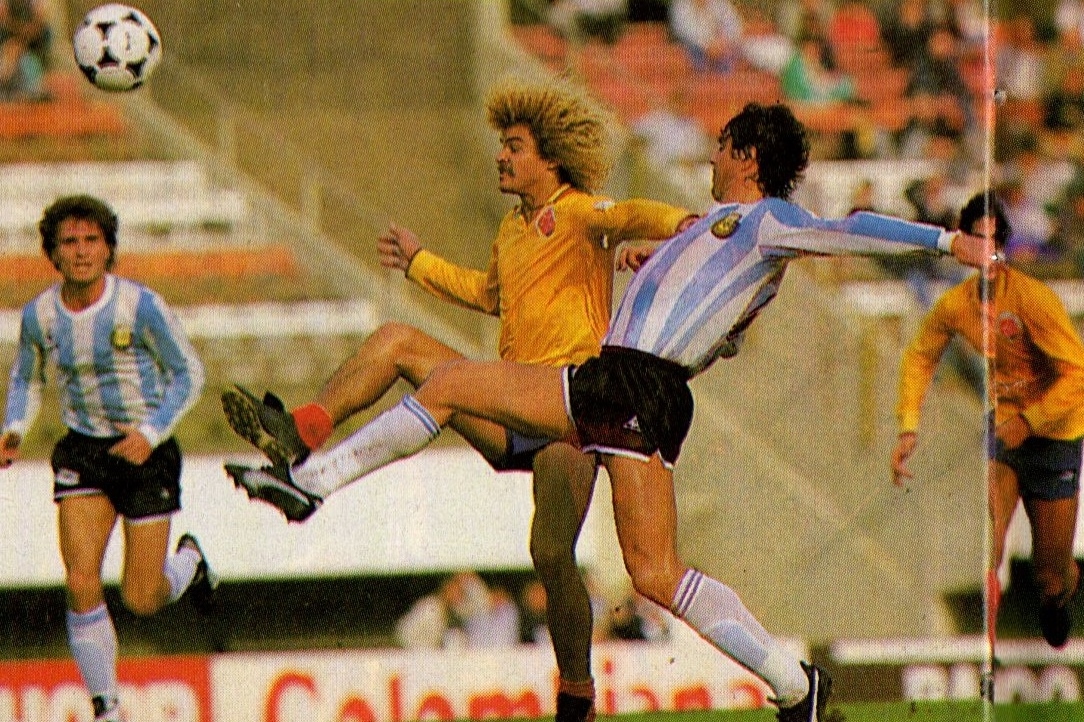 There was another hero already – Pibe Valderama.
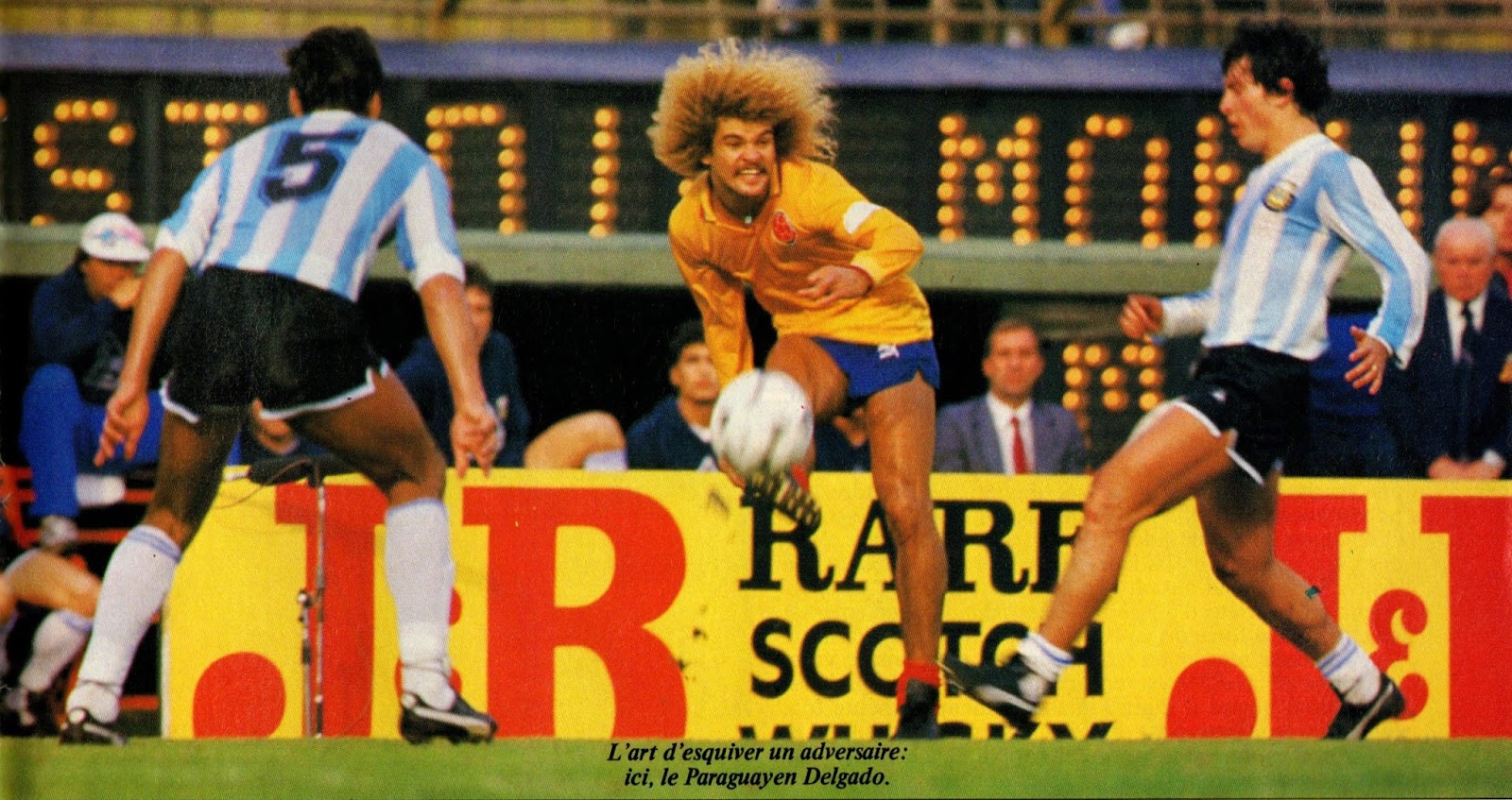 He was known in South America, of course, but at this tournament the world really ‘discovered’ him – with inevitable mistakes, as the French one here, calling him Delgado and Paraguayan.
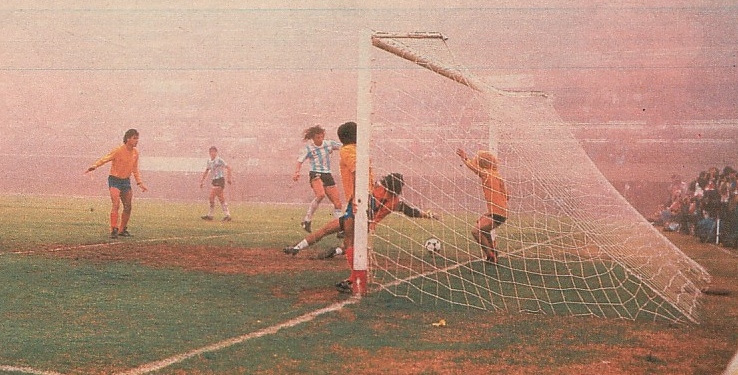 Valderama did more than Maradona on top of everything – he could be seen defending at the goal line trying to prevent Caniggia from scoring. Meantime Hiquita did not make stupid mistakes and all Argentine efforts amounted to single goal by Caniggia in the 85th minute. Thus Argentina lost again. Symbolicly, heavy fog fell down in the last minutes, as if to pull curtain down on Argentine shame.
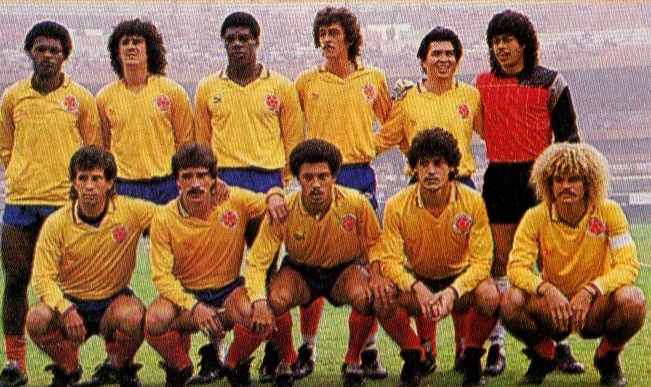 Colombia was more than pleasant surprise: there was talented bunch of young players, coached by equally young Francisco Maturana. They were just emerging, in a building process yet, but pushing ahead. Third place hardly mattered anymore, but it was achievement for them, getting noticed and getting confident. Colombia was pleasant and inventive team, conducted by the elegant and imaginative magician Carlos Valderama.
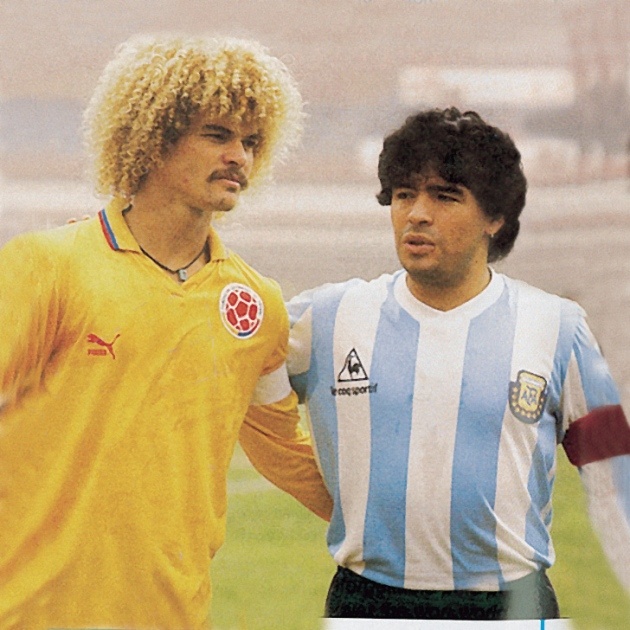 And at the end he – not Maradona – was named the best player of the championship. Rightly and deserving so.
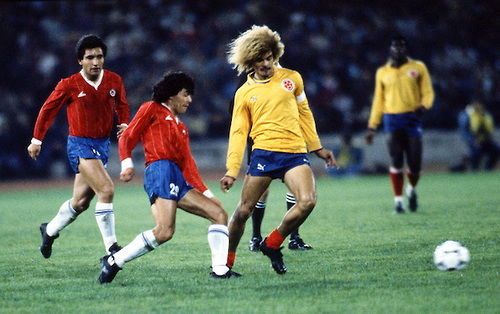 Colombia had chances to score first, but Chile quickly responded.
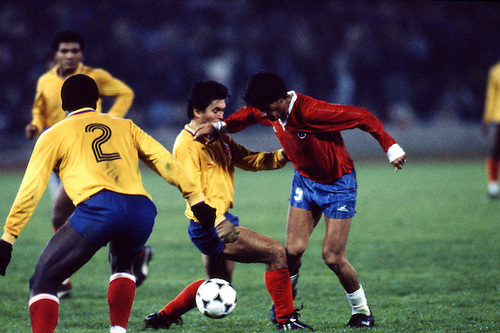 The game was fairly equal, though.
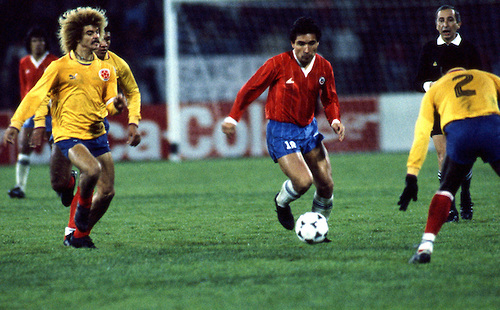 Seemingly, Chile had more opportunities and may be Valderama did not shine too much, but Colombia missed better scoring chances and just for that perhaps had reasons to be sorrier at the final whistle. In overtime drama unfolded in the unpredictable football way. Colombia got a penalty in the 103rd minute and Bernardo Redin scored it – it looked just result, given the great chances Colombia missed during regular time. A few minutes later Rene Higuita turned around the table, making two big mistakes in the 106th minute and in the 108th minute. Fernando Astengo and Jaime Vera scored for Chile and than Hiquita perhaps killed Colombian last chances with long solo attack, started back in his penalty area and never reaching the Chilean penalty area – attractive and entirely useless effort, born from frustration. It was a pattern of the flamboyant goalkeeper, a very costly pattern. Chile won and reached the final.
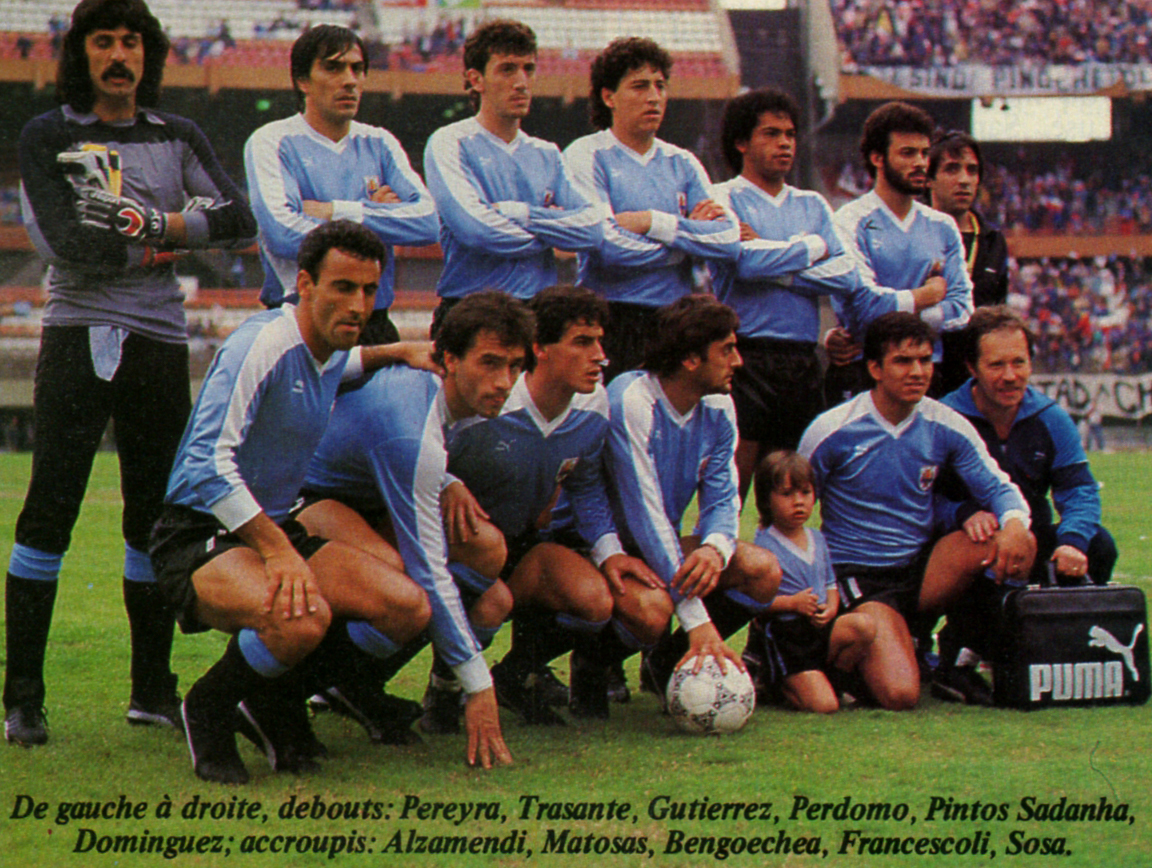 1- Jorge Fernando Seré Dulcini (Danubio Futbol Club Montevideo)
 It was dramatic clash, but was it any good is hard to tell now. Such derbies are tough always.
 Certainly there was no mercy, but was it an ugly game? No cards were shown, which tells nothing – it was the 1980s football, short of murder no cards were ever given.
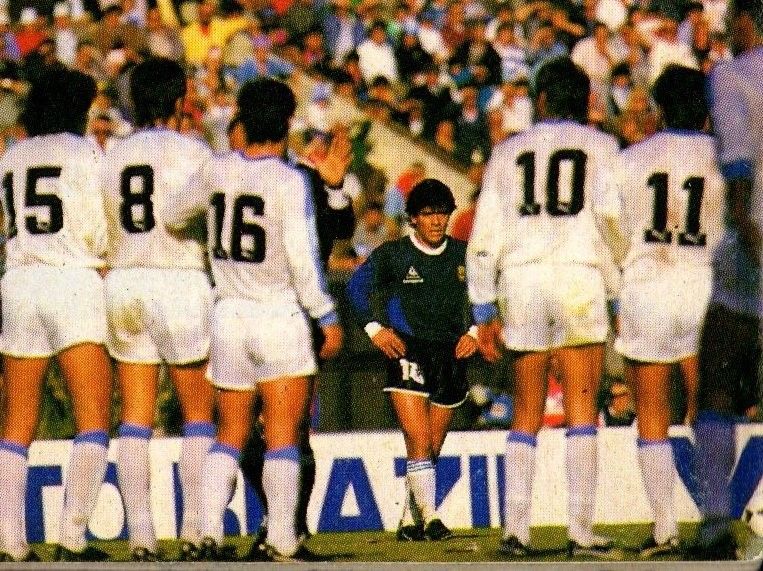 Maradona was denied scoring opportunities even from free kicks.
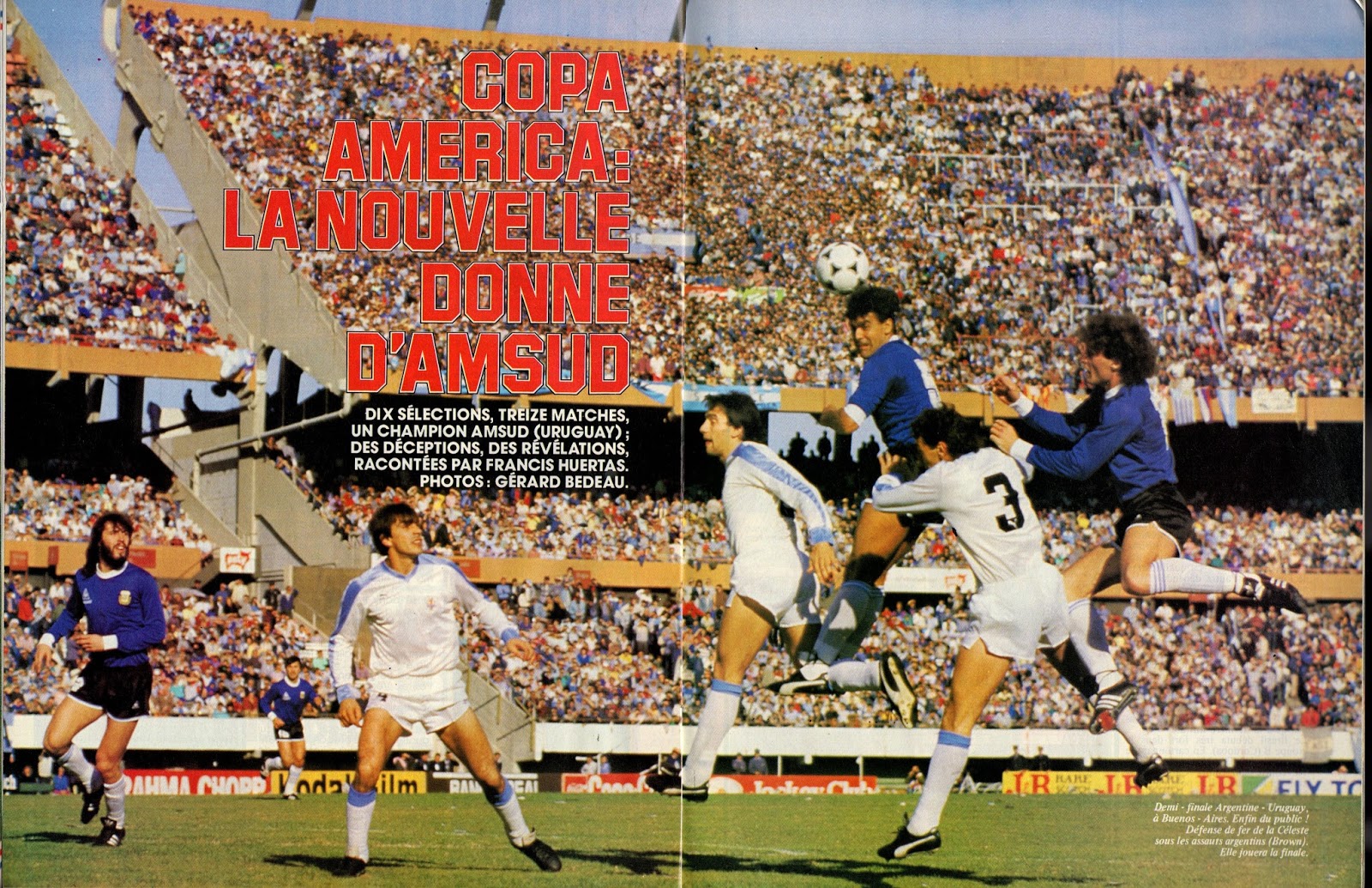
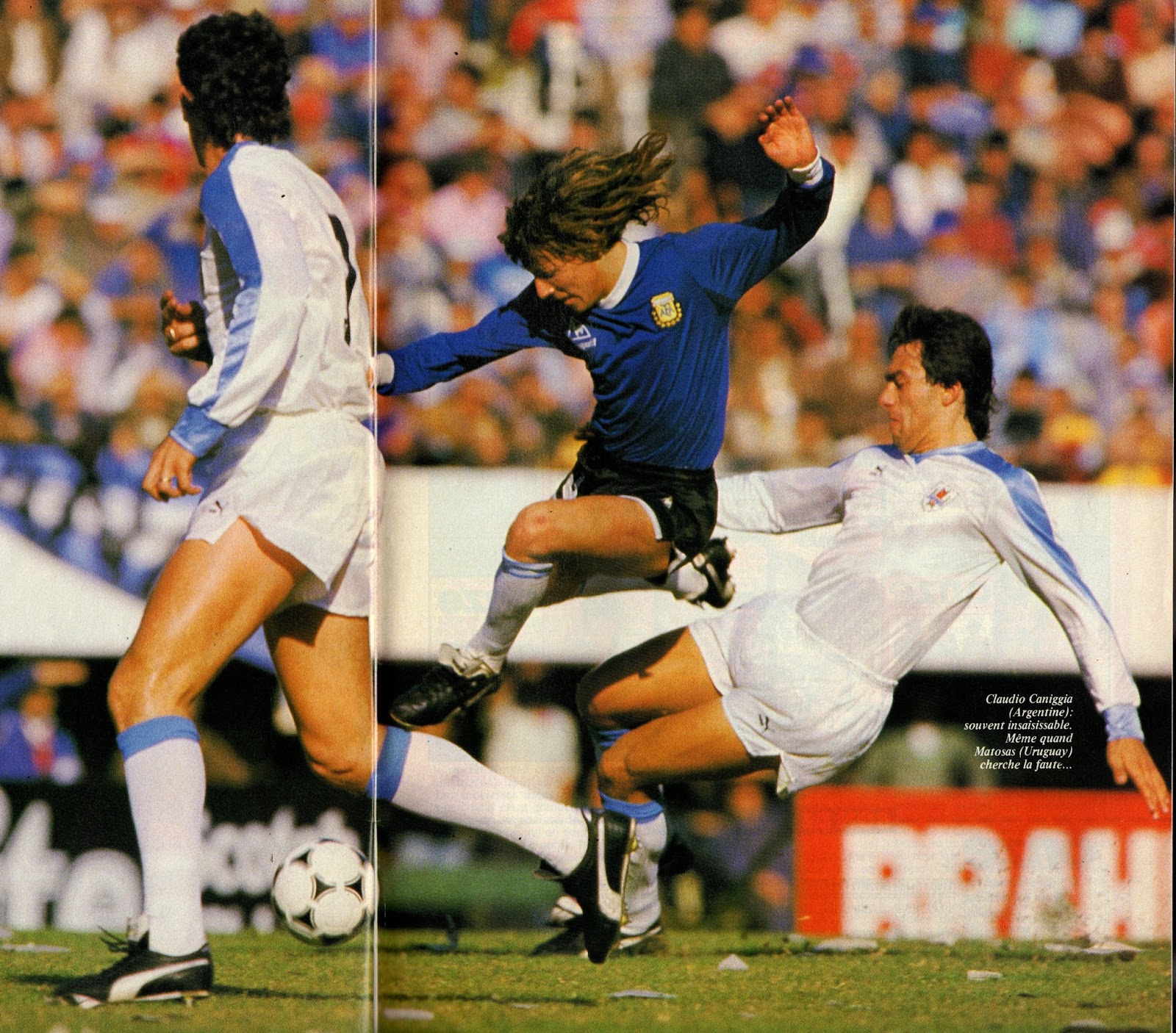
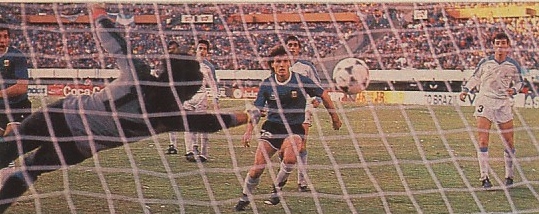 And if photos suggest Argentine superiority to the points of scoring a goal here, it was not that – with time, Uruguay got the upper hand – at least according to Alzamendi, who counted about 9 Uruguayan better scoring positions. Himself he scored one of those in the 43rd minute. A goal Argentina was unable to return. Argentina was out and no matter what Bilardo was saying well before Copa America started, the result was taken badly – losing to the arch-enemy at home? There is no excuse! Uruguay triumphed and the mood changed instantly as well: a new, inexperienced team just eliminated reigning World champions at their own home, Maradona and all! Following what happened on the pitch – mostly ugly tackles and bloody fouls – the public went into fighting on the stands.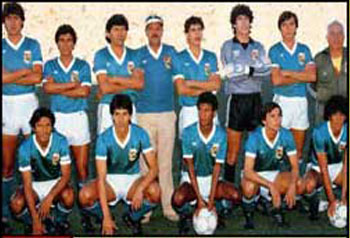
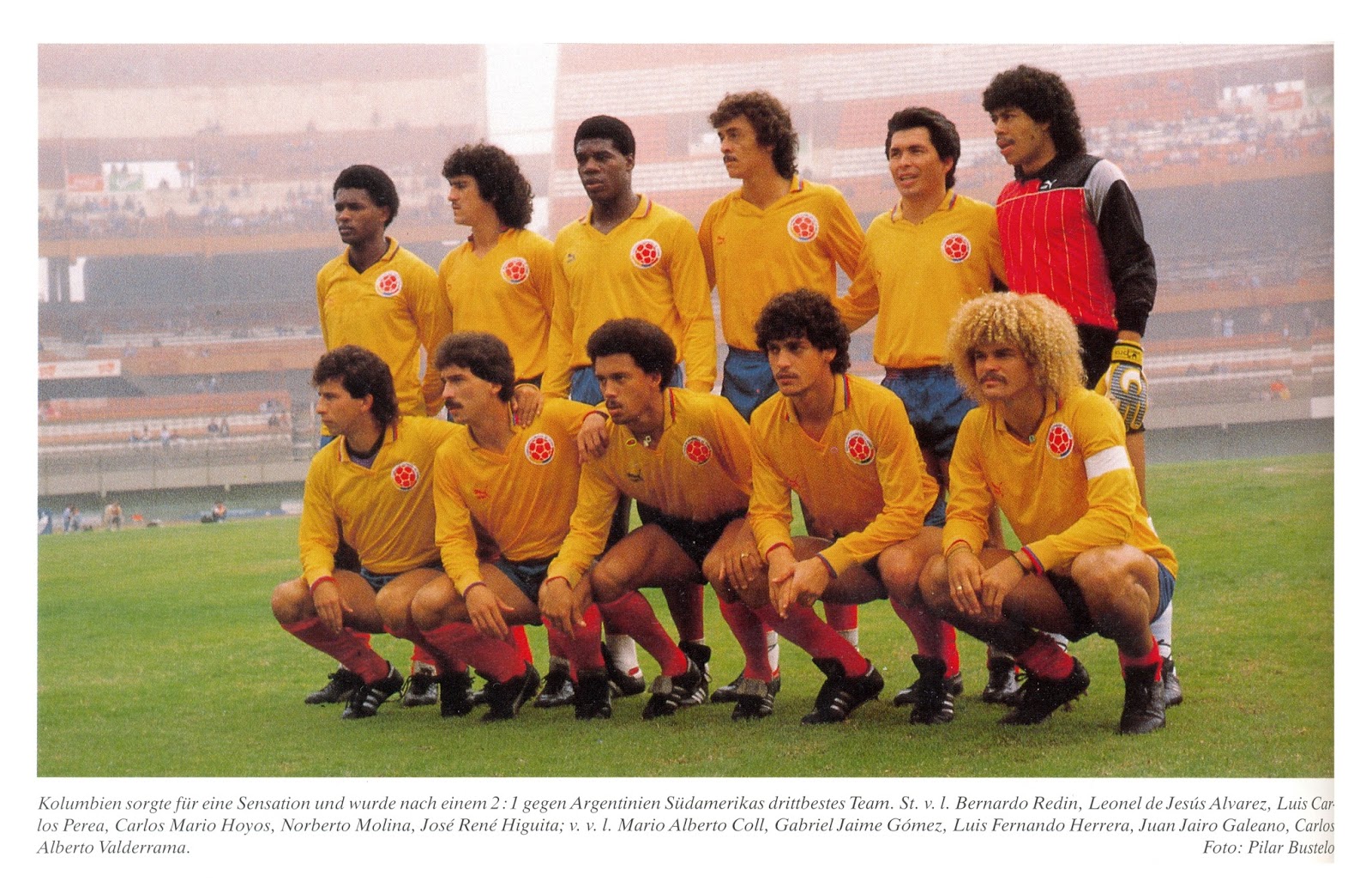 1-Rene Higuita (Corporacion Deportiva Club Atletico Nacional- Medellin (Itagüí))
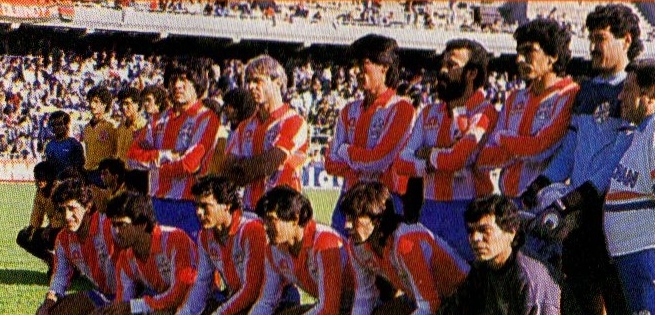 1-Roberto Fernández (Asociacion Deportivo Cali / Colombia)
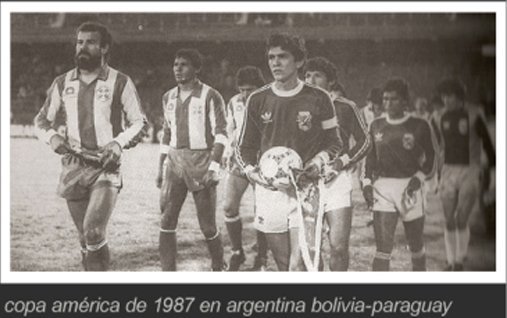 In front of 2000 Paraguay and Bolivia finished 0-0.
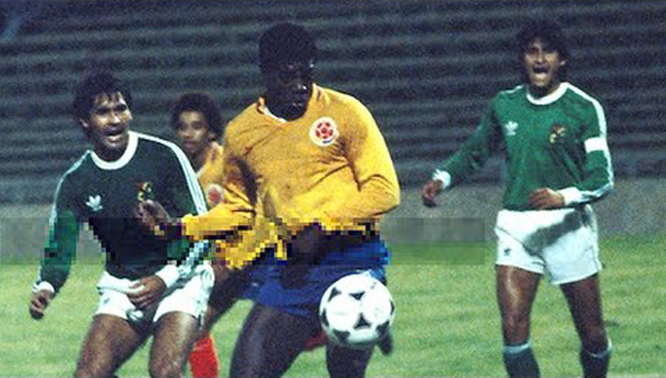 Bolivia finished the tournament as expected: Colombia beat them 2-0 – only 1000 attended. Three players were red-carded. Suddenly Paraguay had to win by 3 goals in order to qualify, but the aging team was unpleasantly surprised.
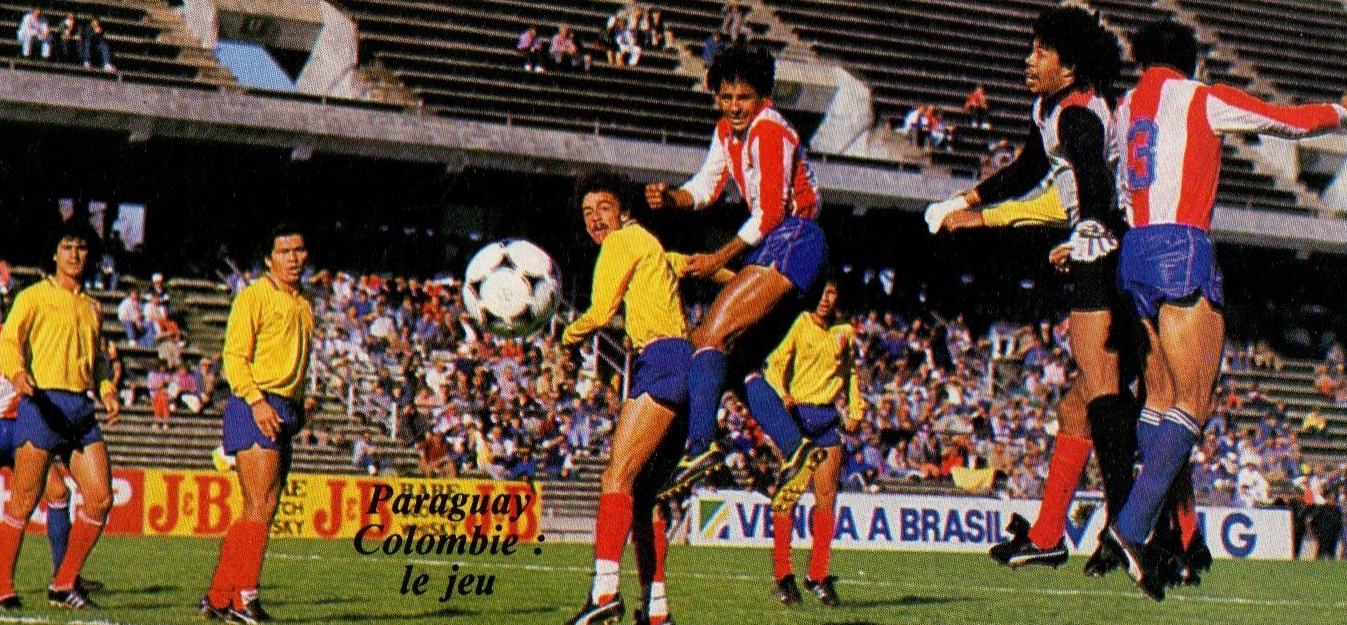 Paraguayan efforts were fruitless.
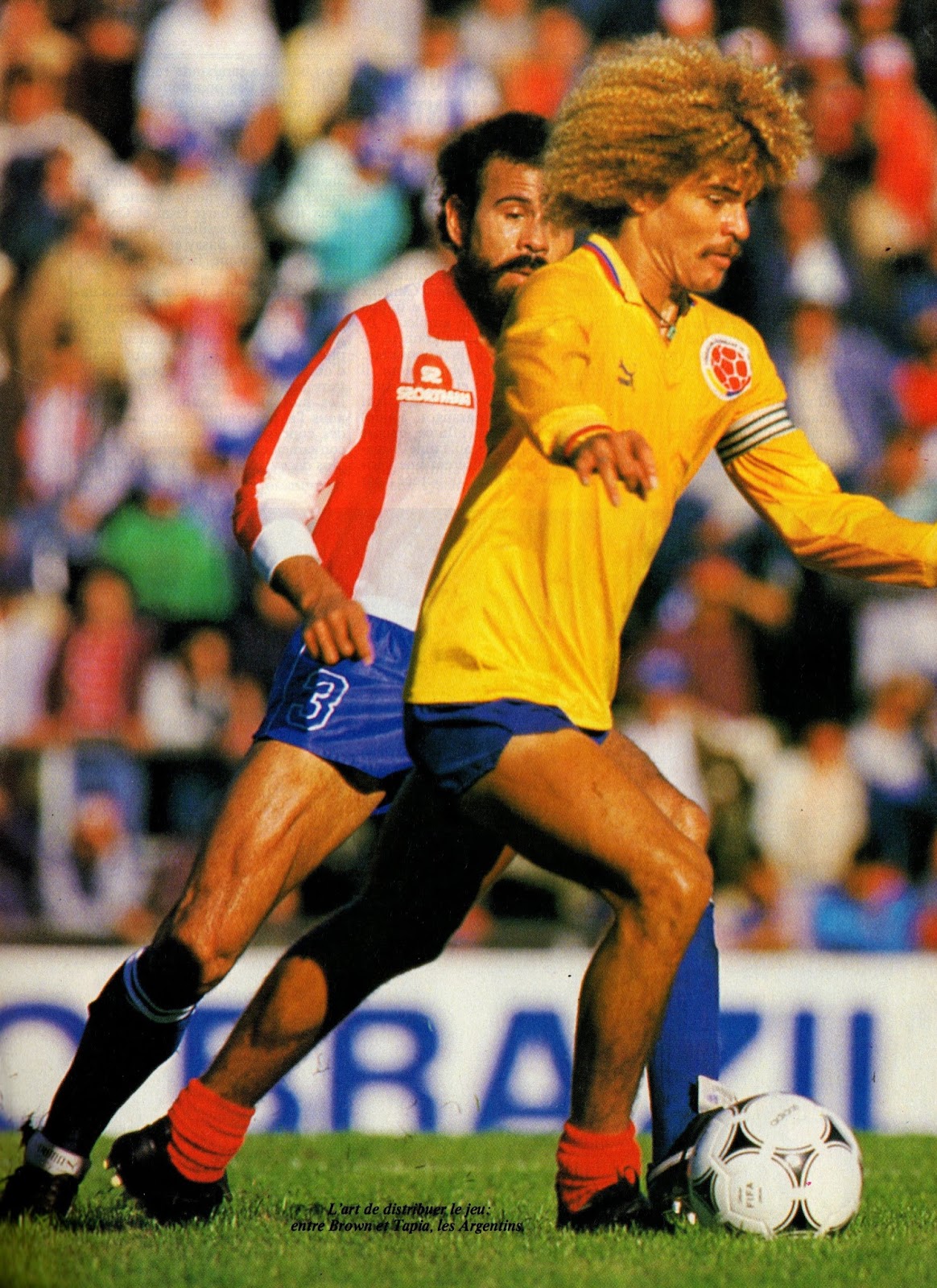 ‘Pibe’ Valderama shined.
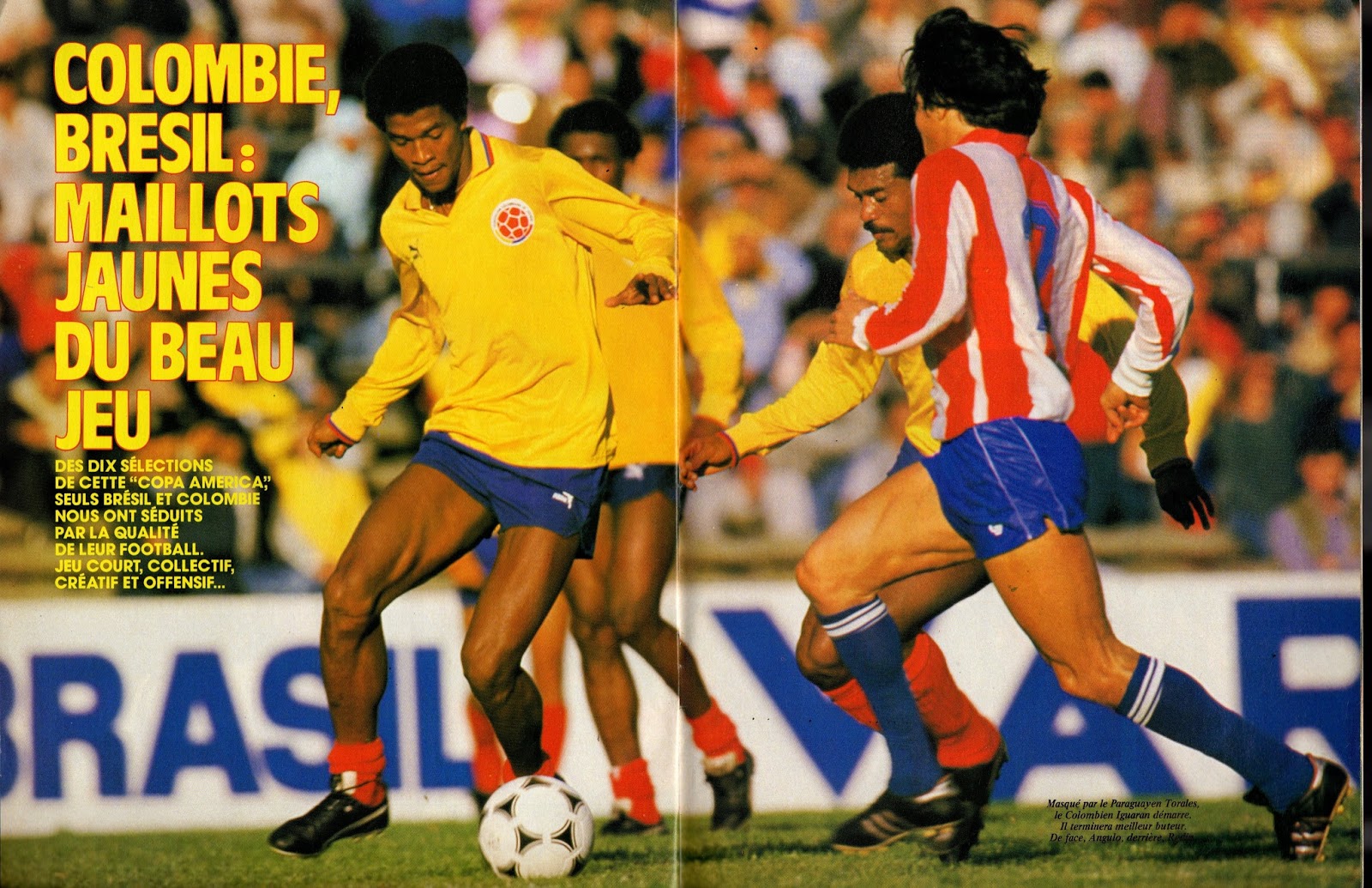 Arnaldo Iguaran scored a hat-trick. In the 50th minute the game was over, Paraguay was eliminated and Colombia was the pleasant surprise of the championship already.
 1-Cesar Baena (Caracas Fútbol Club)
 1-‘Carlos’ Roberto Gallo (Sport Club Corinthians Paulista- São Paulo)
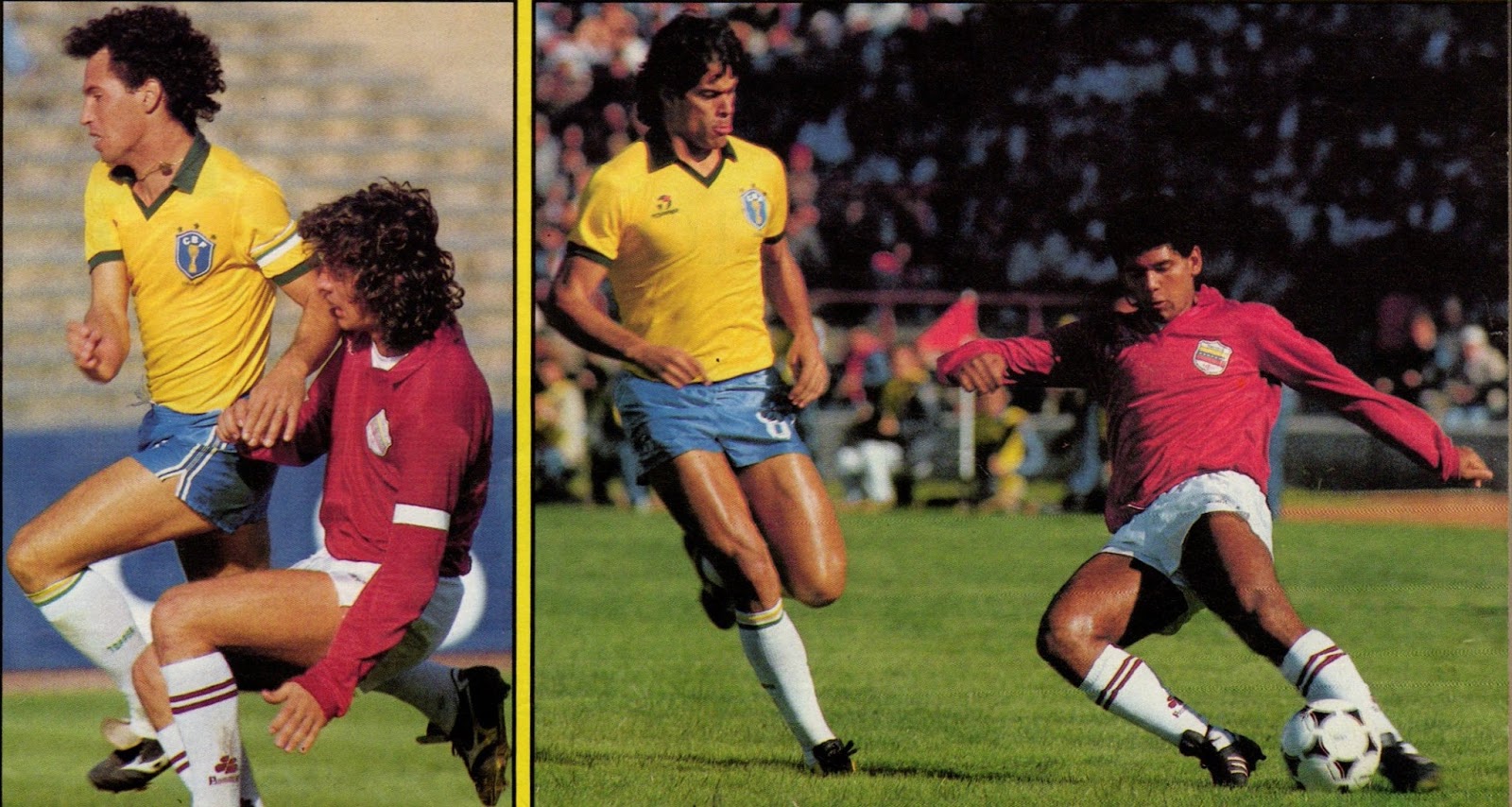 Predictably, Venezuela was no match and Brazil dominated.
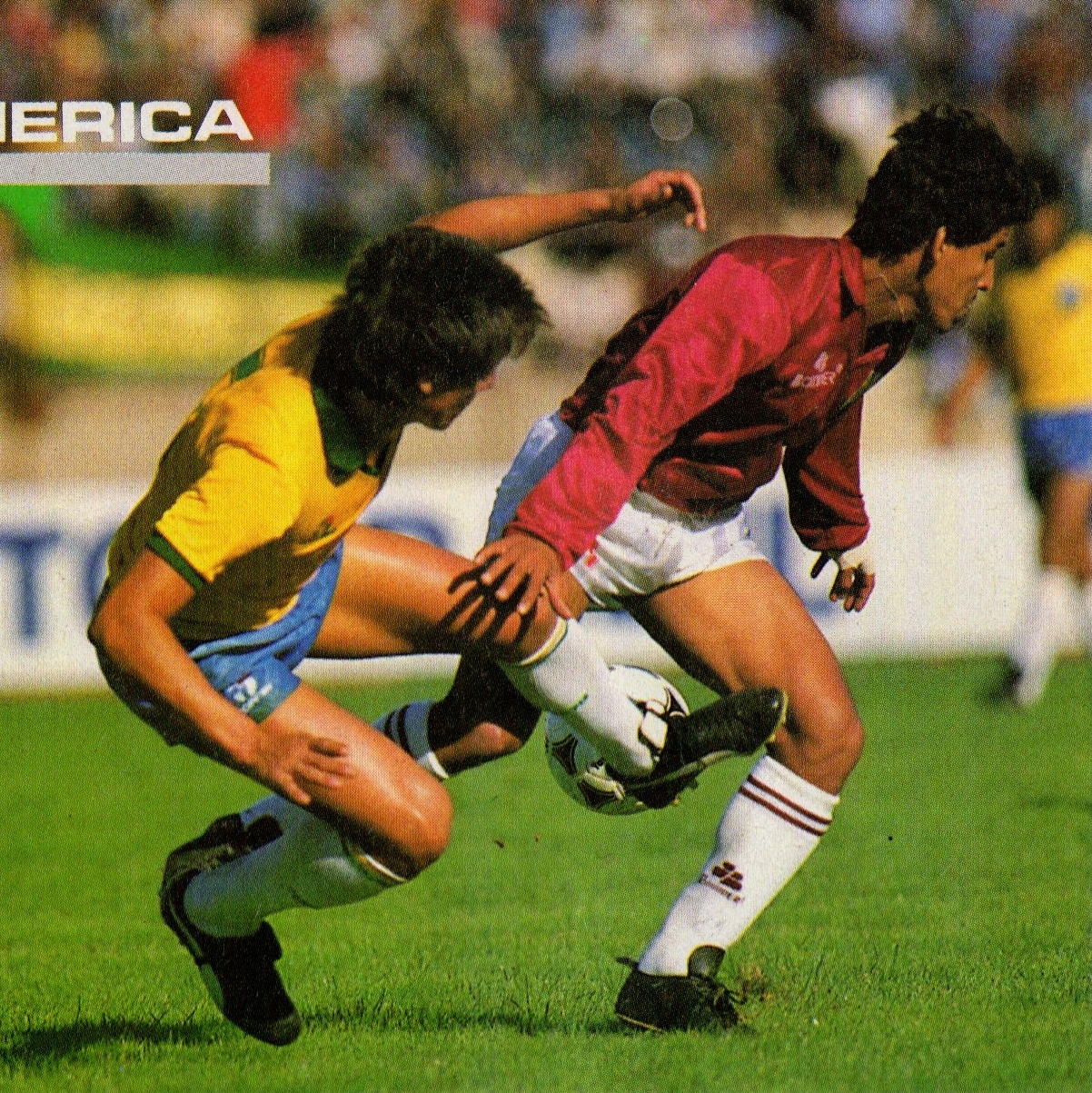 The difference of class was too big, no matter what the Venezuelans tried.
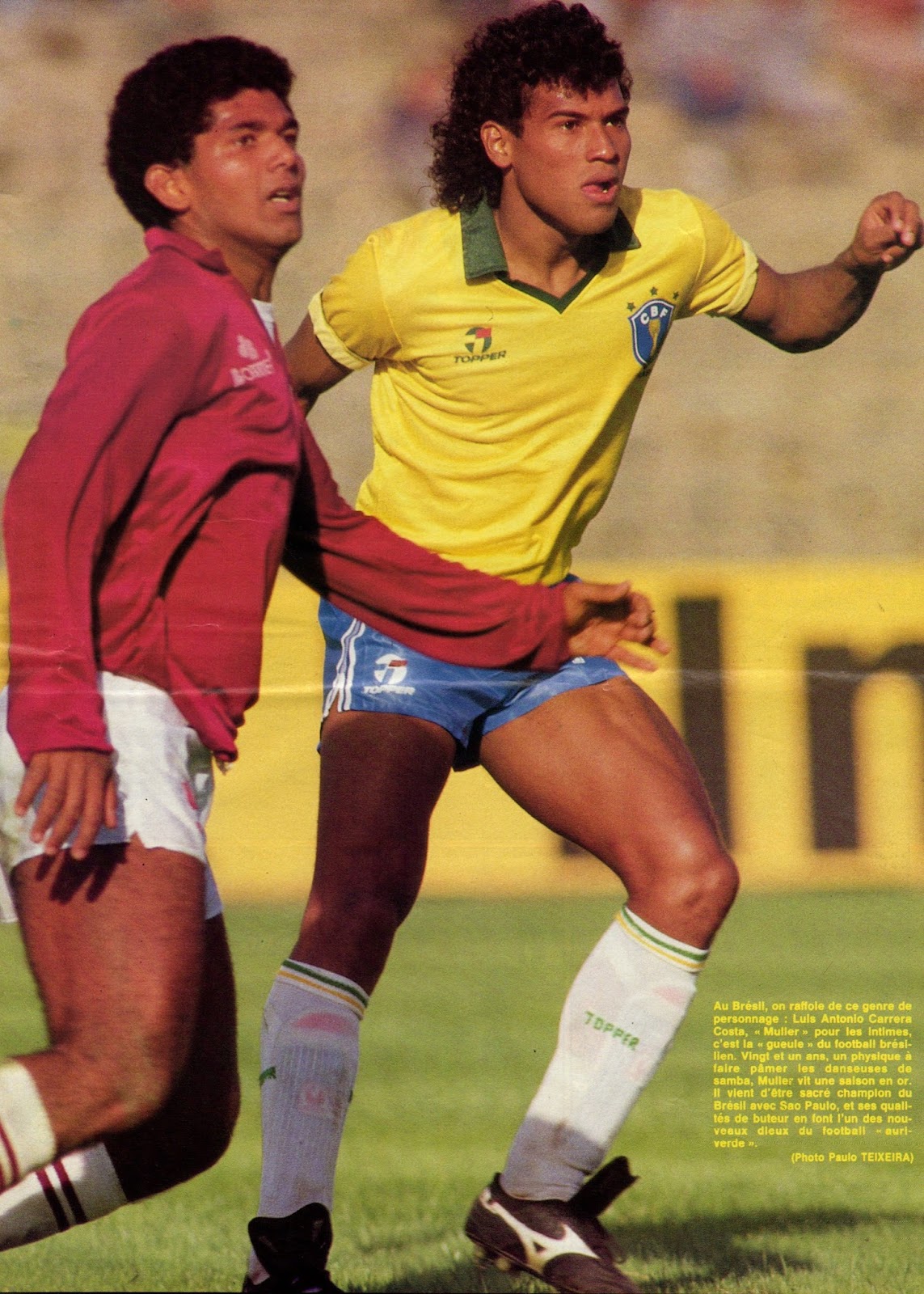 Muller either disappointed or there was no need to keep him playing the whole game – Romario replaced him in the 66th minute.
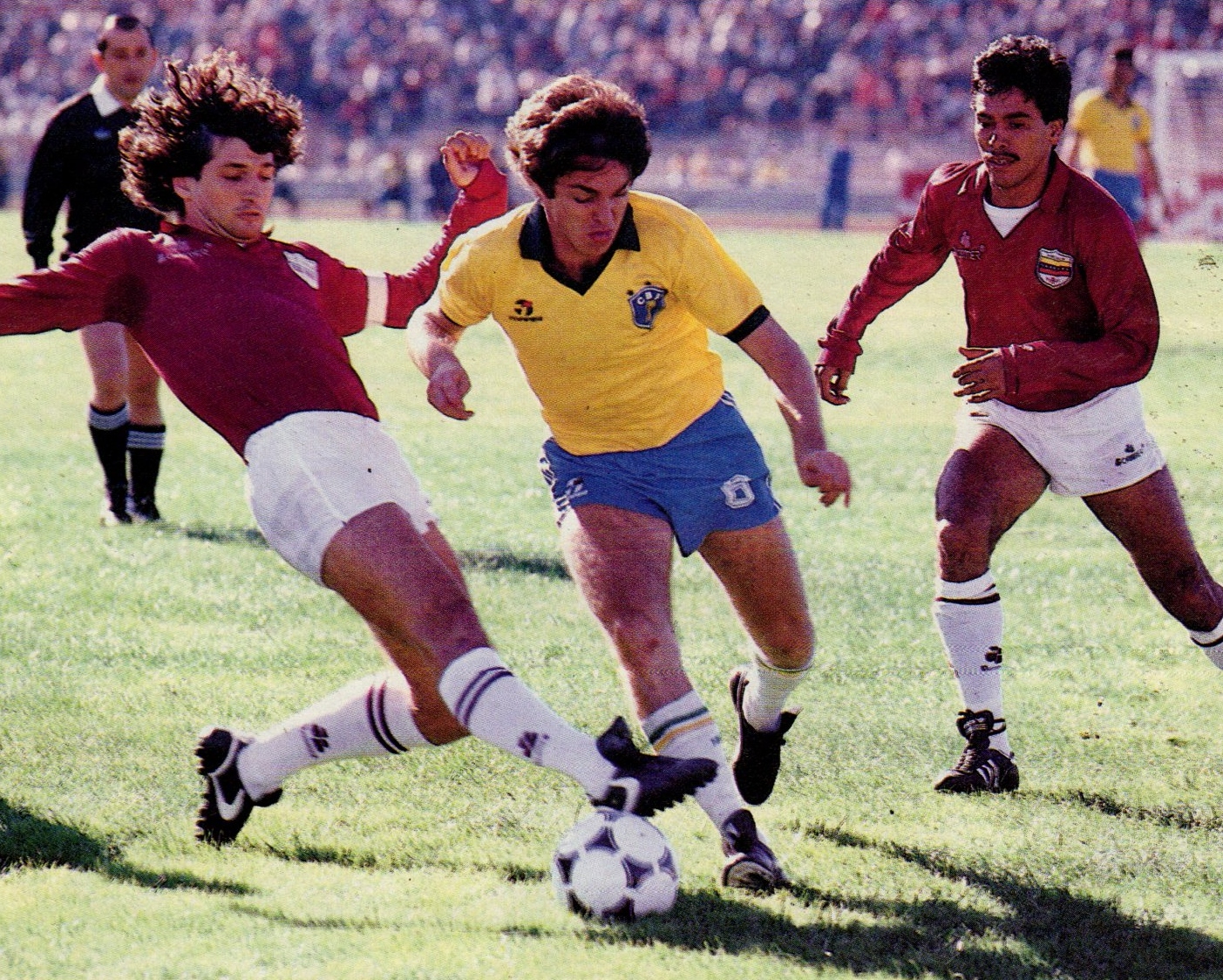 It was just Brazil and at the end the result was 5-0. No Brazilian scored more than one goal, but Careca scored, Romario scored, and even Venezuela scored a goal – unfortunately, Zdenko Morovic contributed to the big loss scoring in his own net.
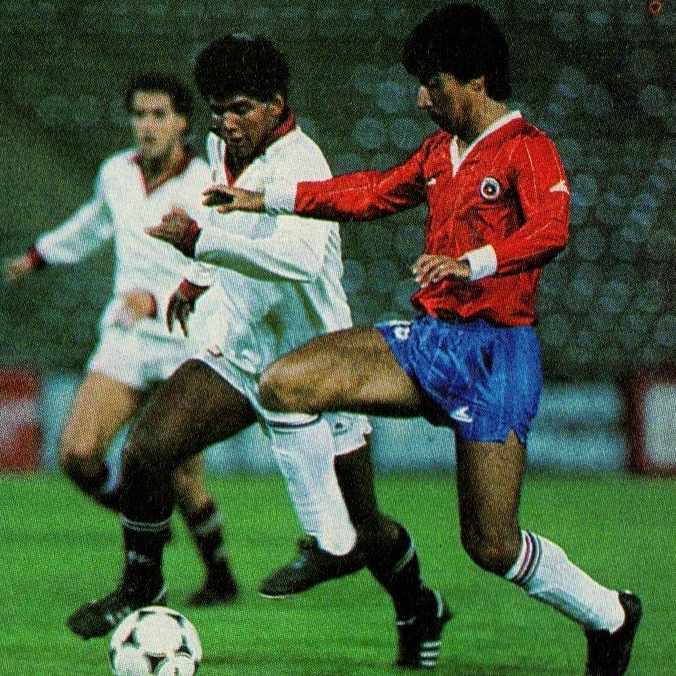 Venezuela was expected to lose and it did. This time they scored in the net of the opposition, not in their own, but that was all. In the 24th minute Pedro Acosta equalized from a penalty and Venezuela preserved the tie until the 70th minute. Then Chile scored its second goal and ten minutes later made it 3-1. Two players were red-carded.
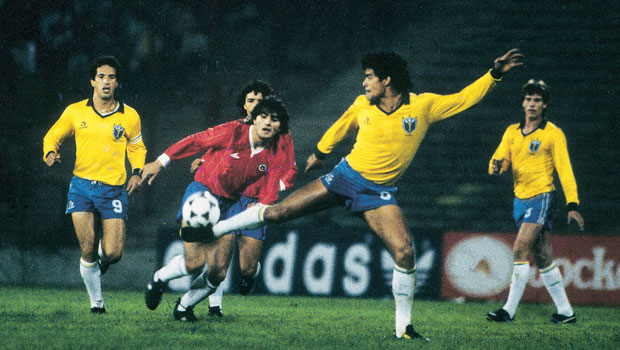 Brazil was the favourite and at least photos show superiority and artistic one at that.
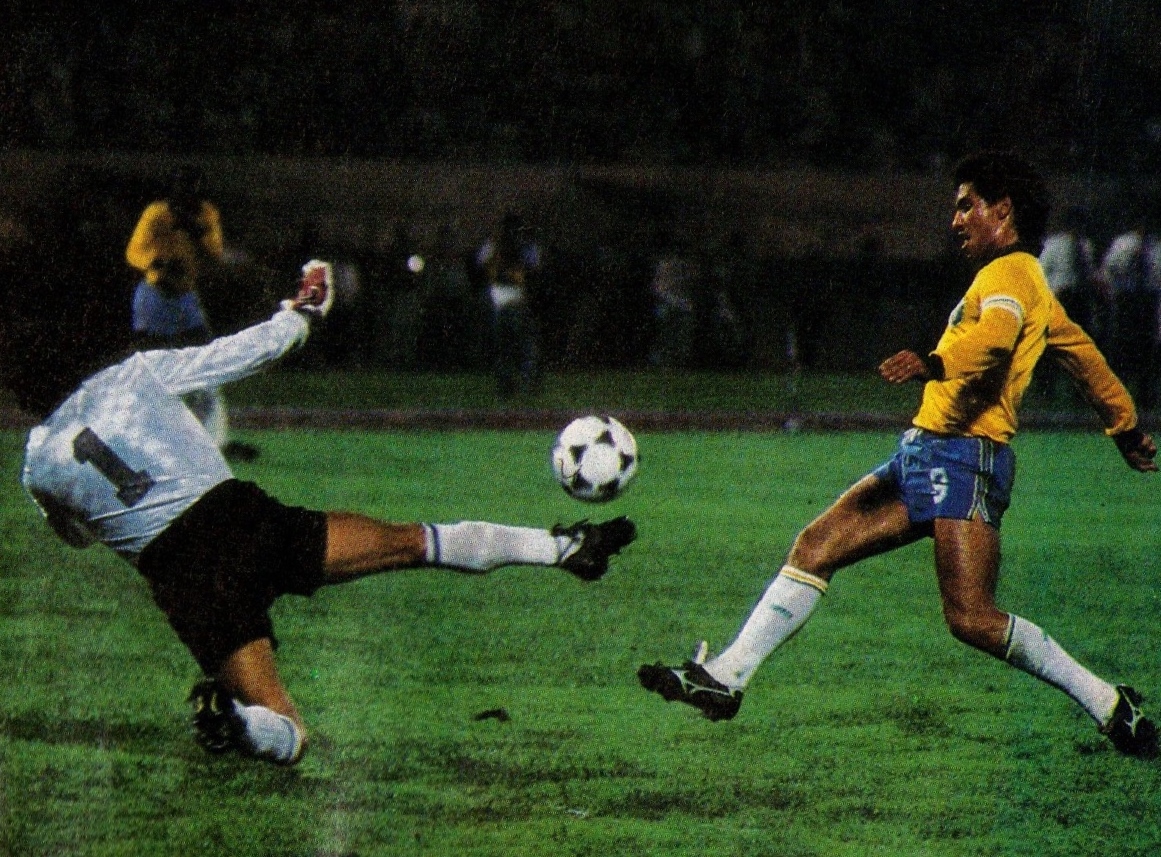 That seems just right – Brazil scoring. But it is a save…
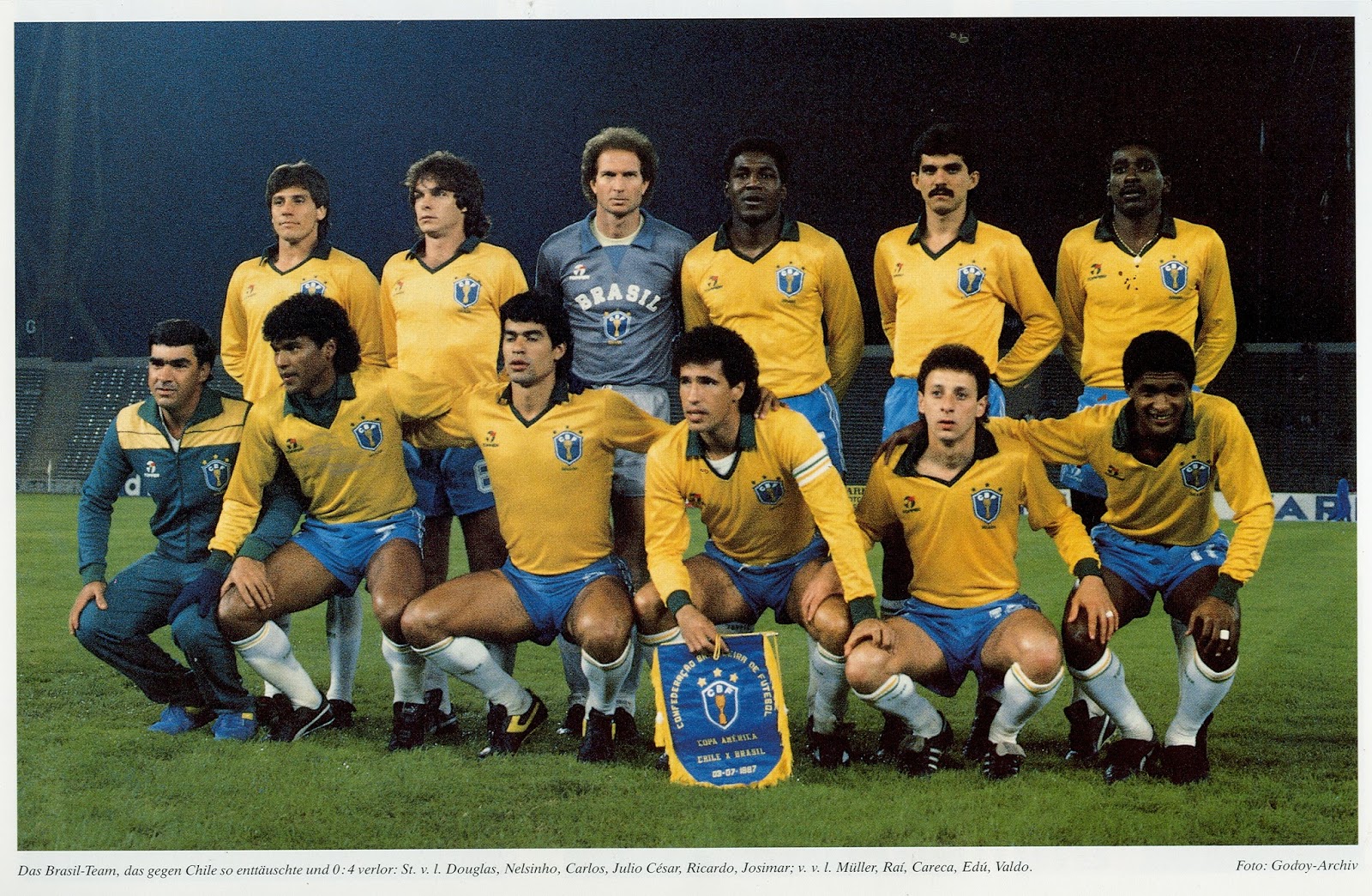
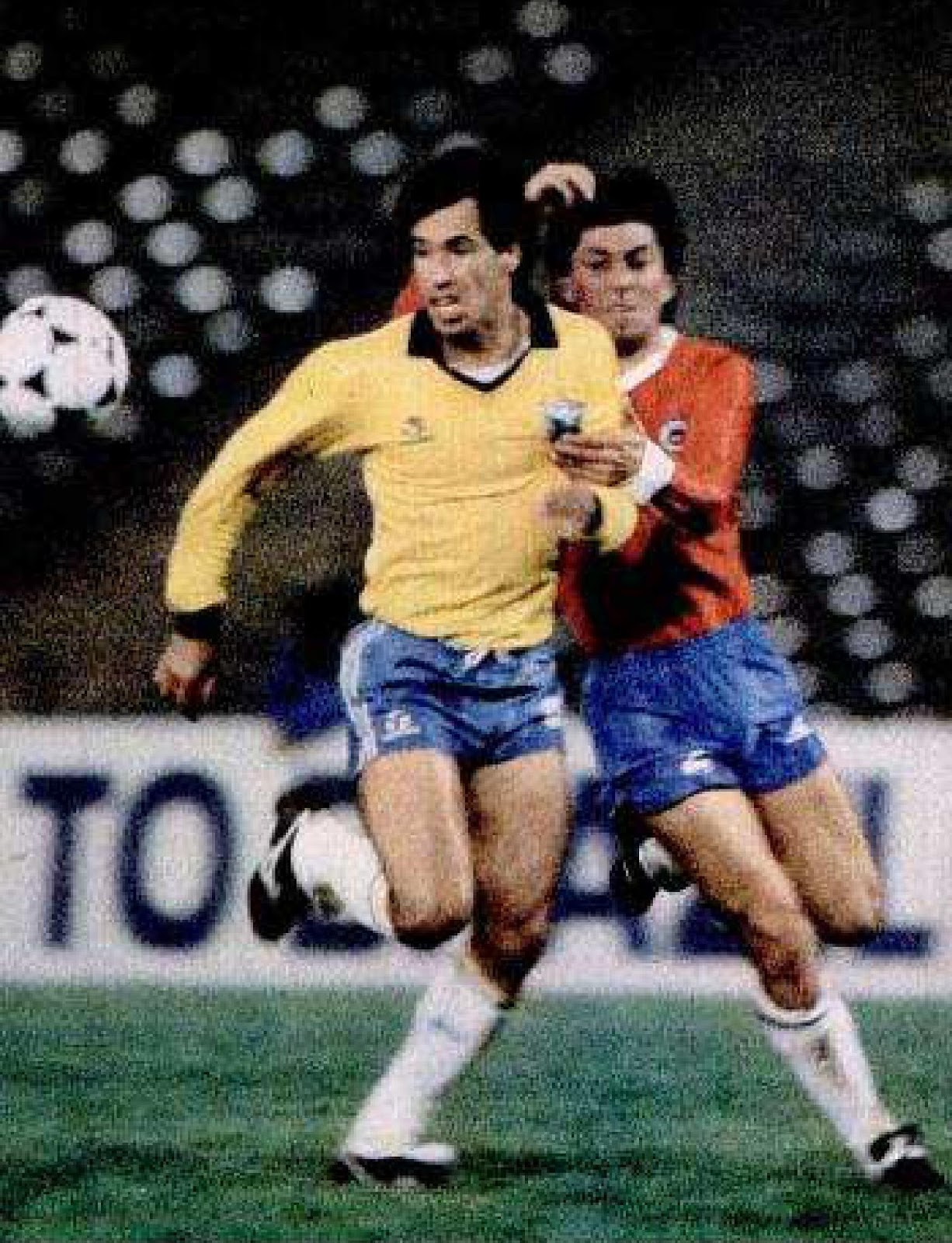 Photos are misleading – it was not Brazil scoring, but Chile. First Ivo Basay gave Chile the lead and the first half ended with that. In the second half Chile scored 3 more goals – Basay scored his second and Juan Carlos Letelier scored twice as well. Brazil… scored a red card. Nelsinho was out of the match in the 57th minute. It was huge surprise – it was only the second victory of Chile against Brazil in the history of Copa America and the first one was in the long gone 1956. Brazil did not lose a game by 4 goals in Copa America since 1917. There was quite a lot to consider and reconsider about the future of the Brazilian team and in the same time Chile suddenly appeared to be a new mighty jewel. Basay was instant hero and Ivan Zamorano played his 10 minutes in the tournament replacing Basay – Chile looked bigger than they were: consider the cheek – substituting the great star with unknown youngster and that against Brazil!
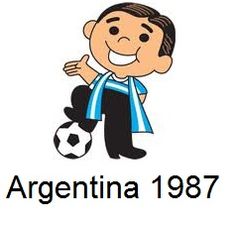 Mascot was introduced at this tournament: Gardelito. The symbol of tango, Carlos Gardel, was used, unifying tango with football, a nice touch. However, the South American predicament did not leave much room for maneuvering: the only real change was making participation mandatory. But the structure was the same and there was no other realistic option – there were still 3 groups of 3 teams each and current Copa America holders directly qualified to the semi-finals along with the group winners. The tournament was played in June and July – in the middle of South American winter, which may have been convenient for TV and foreign-based clubs, but in Argentina it was to be cold, rainy, and muddy. Three cities were designated to host the tournament: Group A in Buenos Aires, Group B in Rosario, and Group C in Cordoba. Cordoba was hosting one of the semi-finals, Buenos Aires the other, and the final was to be played in Buenos Aires. Anyhow, that was not all – Copa America had its own logic, a bit mystifying one. Often teams were made of youngish players, some stars did not participate at all, there was a sense of experimenting and most often the tournament really signaled the beginning of new cycle for a national team. This issue was no exception.
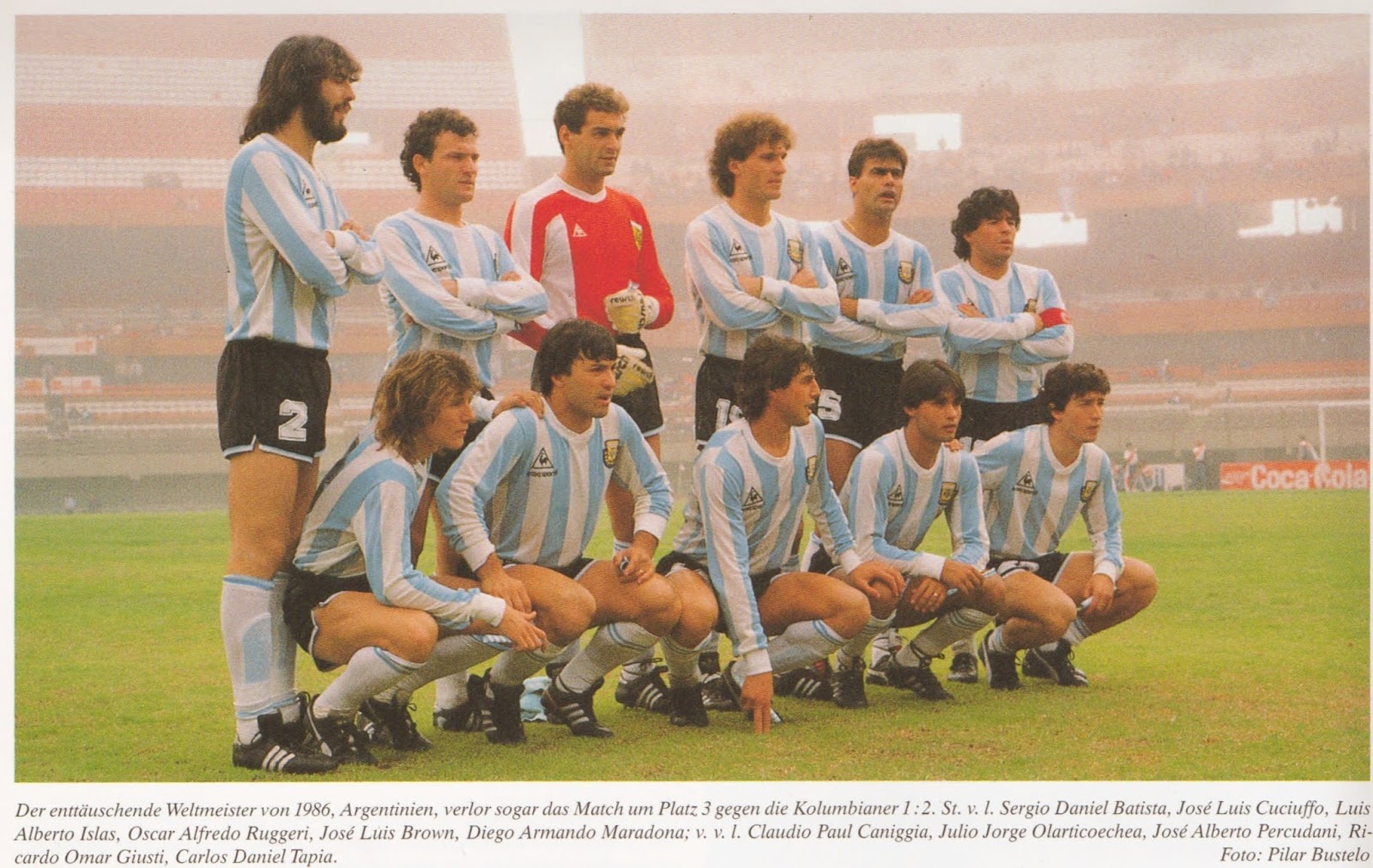 1-Raul Roque Alfaro (Club Atlético River Plate- Buenos Aires)
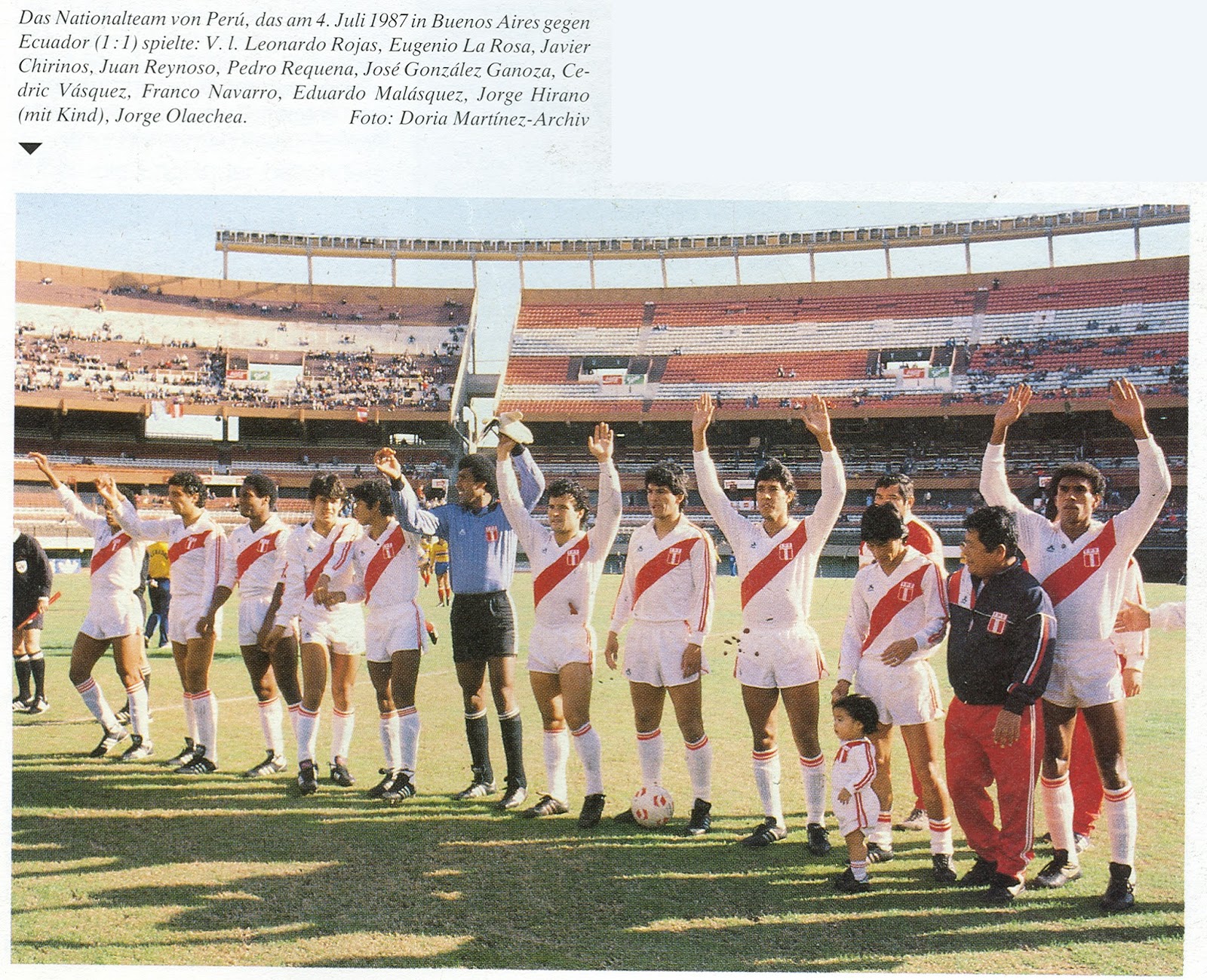 1- César Chavez (Club Universitario de Deportes-Lima) (goalkeeper)
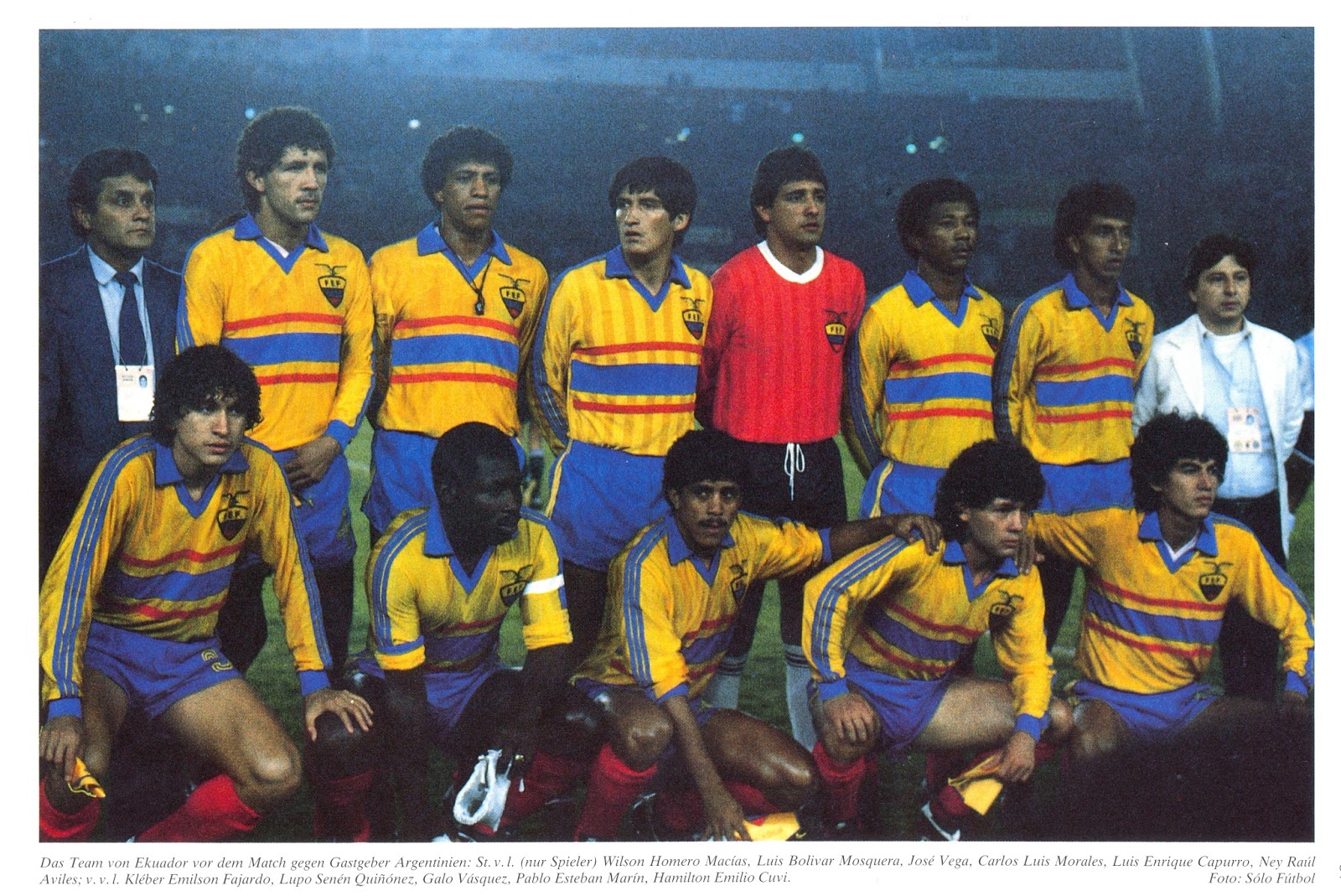 1-Hector Chiriboga (LDU (Liga Deportiva Universitaria) de Quito) (goalkeeper)
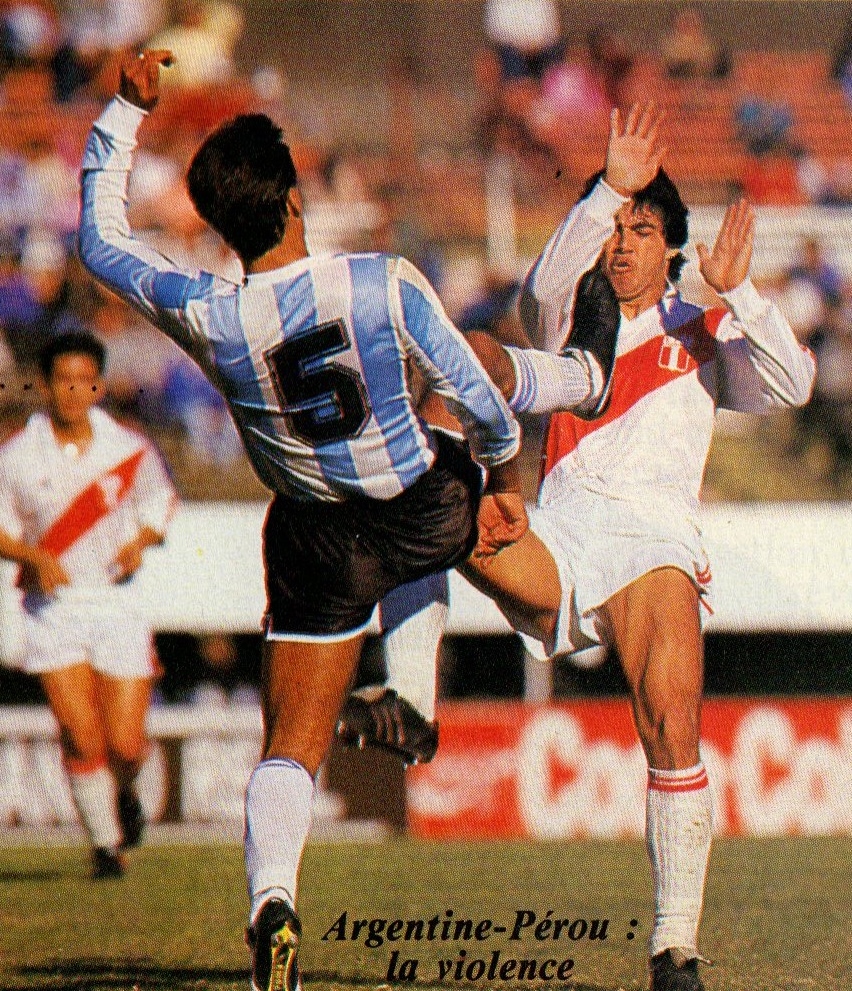 Violence took place quickly.
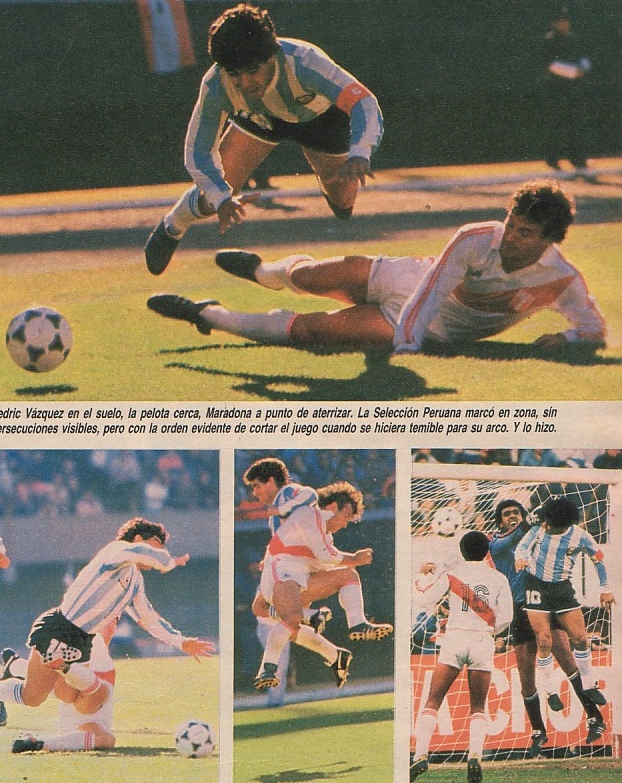 Well, it was the football of the 1980s with additional South American touch.
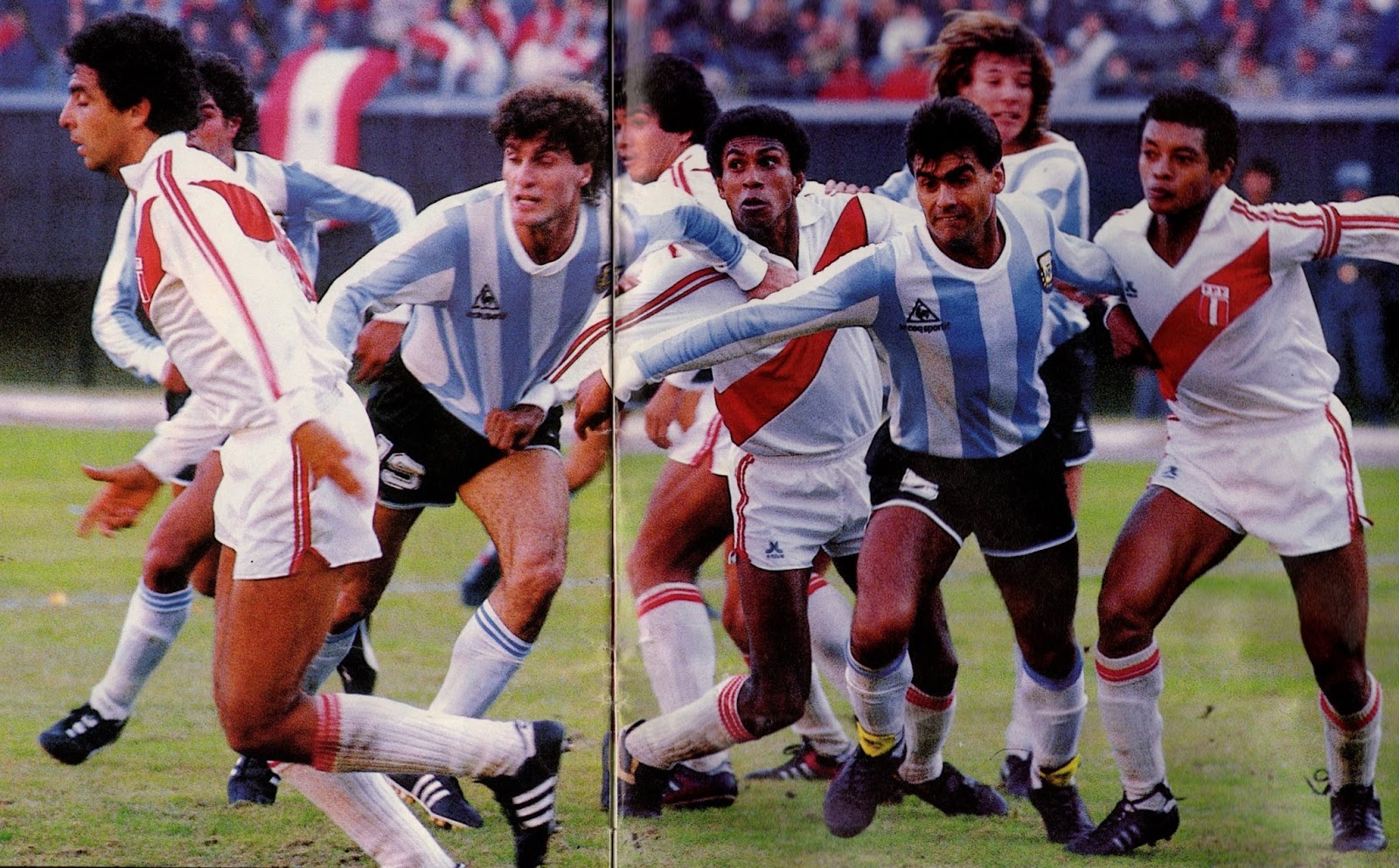 It was hard to imagine not only somebody prevailing, but imagining football played – it was more rugby.
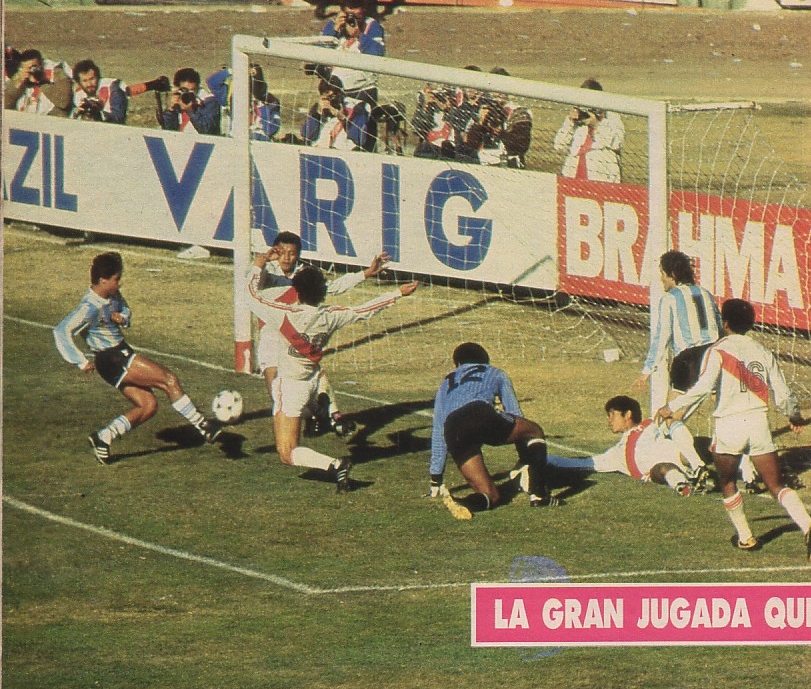 Dramatic, surely, but perhaps more on still photos than in the real moving game. Uribe and Batista were red-carded in a matter of five minutes time. Maradona opened the result in the 47th minute, but Reyna equalized 10 minutes later and that was that: Argentina 1 – Peru 1.
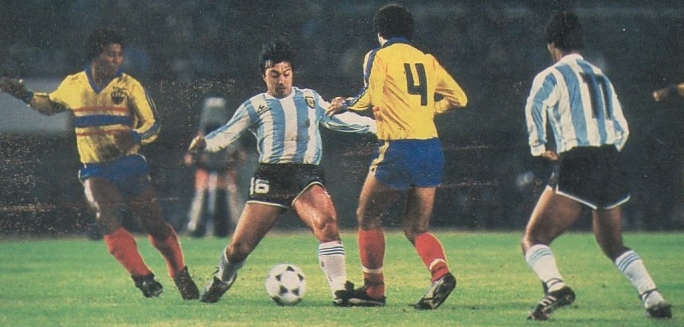 Conditions were not helpful either – it was very wet pitch.
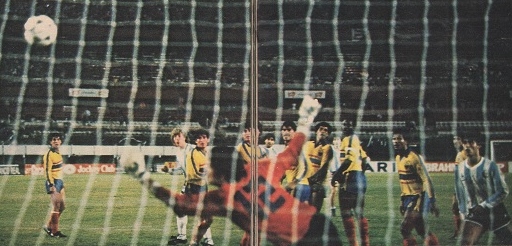 All ended well – Caniggia, so far coming as a substitute, opened the result in the 50th minute and later Maradona scored 2 more goals, the first from a penalty. 3-0 and Argentina very likely reached the semi-finals.
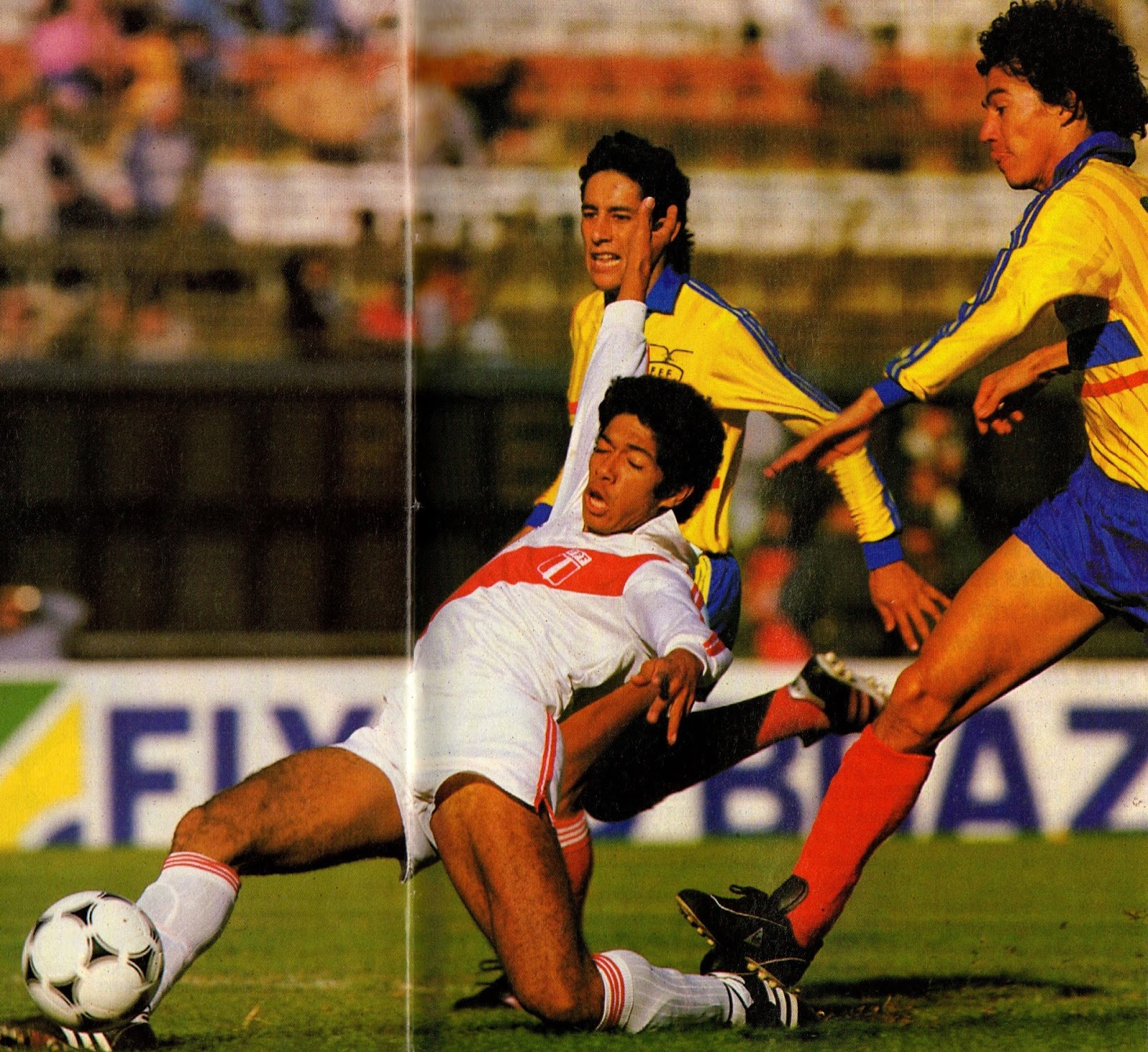 It was still more battle than anything – Vazquez (Peru) was sent off in the 83rd minute and by that time Ecuador was leading 1-0. La Rosa finally equalized in the 87 minute and that was it – both team going home after 1-1.
 It was a return to abandoned format in new way – a sign of the increasing commercialization of the sport, but also modernization and reaching new audience: for the first time Copa America was televised to Europe and North America. In purely football terms… nothing new and little excitement. If that was the highest point of the year, the lowest was also in South America and tragic one at that: the death of the whole Alianza (Lima) team in airplane crash.
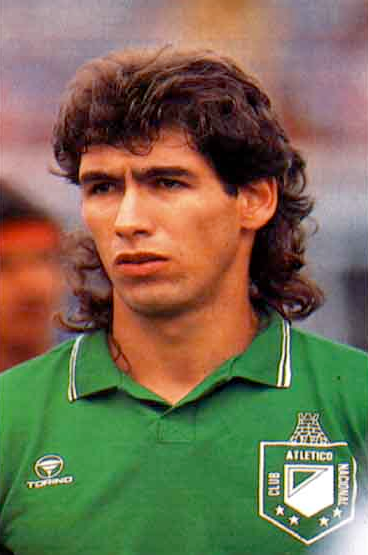 Like Sotil, Escobar debuted at 19 and immediately was noticed. Like Sotil, he quickly became national team player. Like Sotil, the newcomer was blessed with good teammates – one of them the flamboyant goalkeeper Rene Hiquita, already known to the world. Only Sotil was a striker and the Colombian – central defender.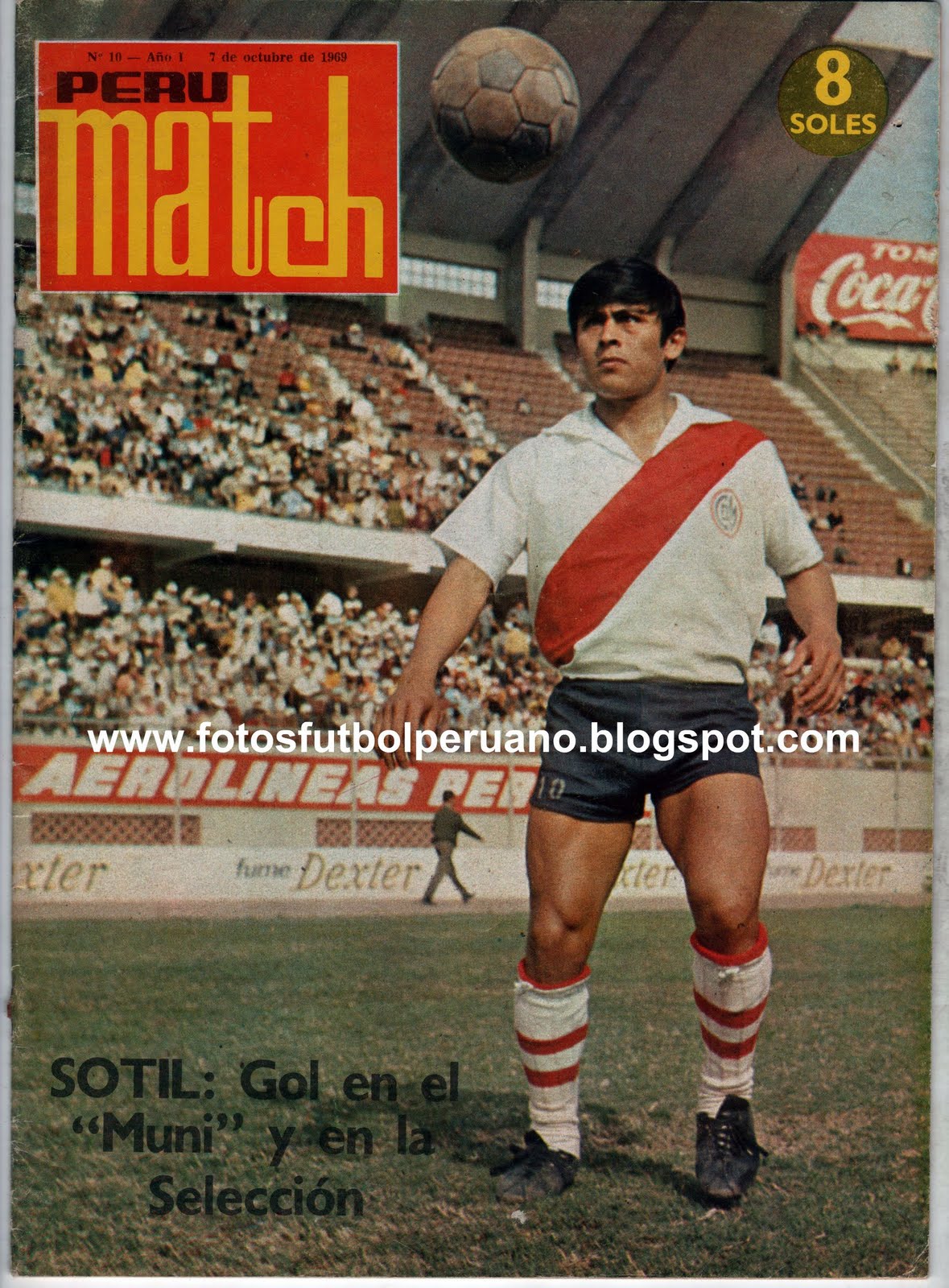
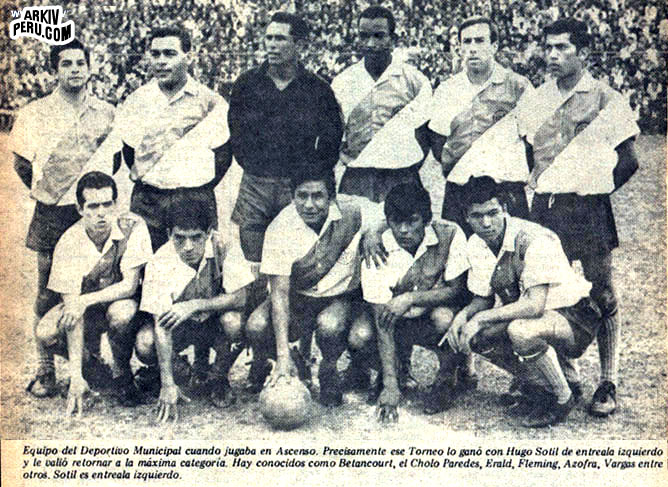 Playing for Deportivo Municipal was fine – the team was talented and Sotil became the star of the team with which he stayed until 1973.
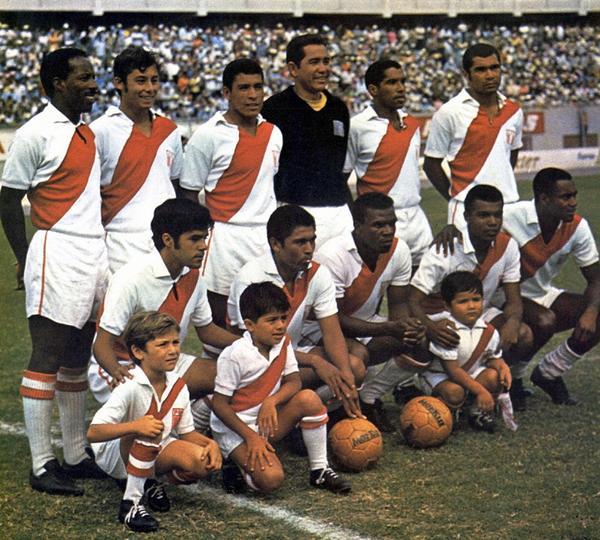 The national team of Peru 1970: Standing: Campos, Challe, Chumpitaz, Rubiños, Risco and De La Torre. Bended: Del Castillo, Sotil, León, Cubillas and Gallardo.
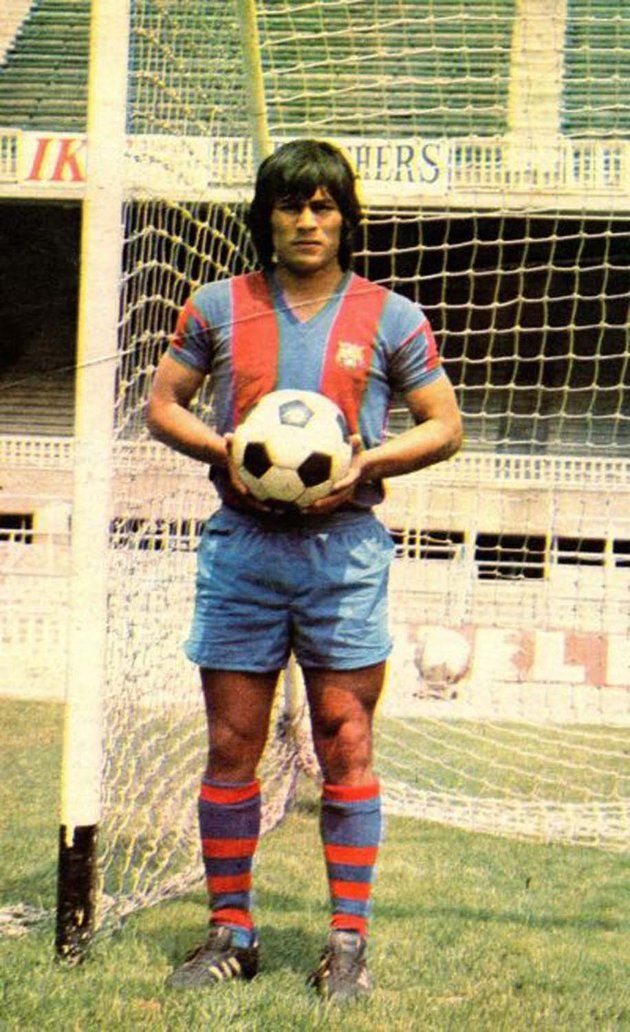 ‘El Cholo’, as he was already nicknamed, was transfered to Barcelona in 1973. He was the first foreign player Barcelona bought after the lifting of the ban on foreign players in Spain – before Cruijff!
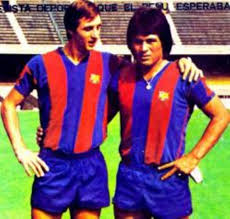 Cruijff arrived soon and the two stars became instant friends.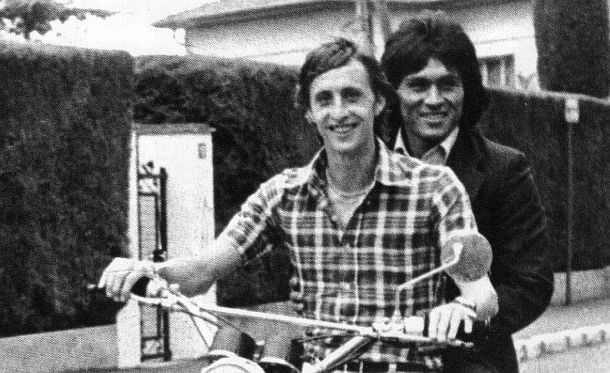
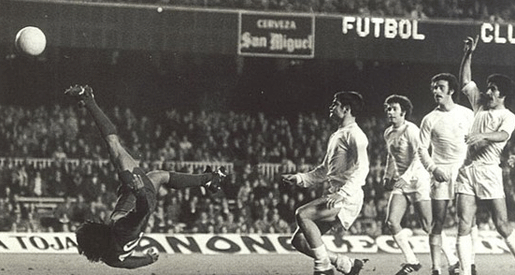 Sotil played and scored a goal in the legendary annihilation of Real Madrid at Bernabeu 5-0 this season. It could be said that 1973-74 was the peak of Sotil’s career – he was the top Peruvian player playing for the top club not just in Spain. No other Peruvian player of his generation reached such a position: Cubillas, for instance, went to play in Portugal and later in Switzerland. Not the same exposure. But going to Barcelona was also the undoing of Sotil.
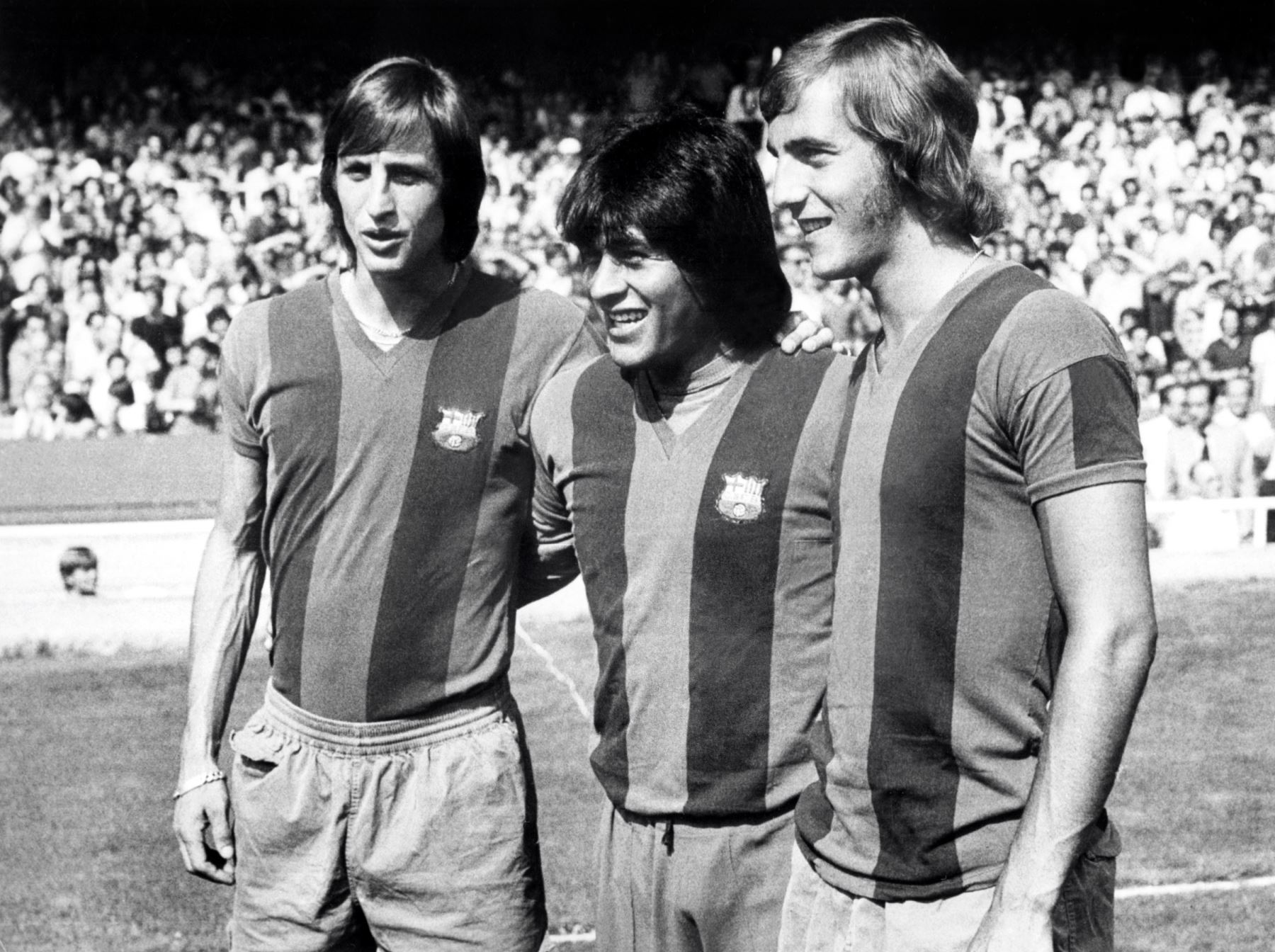 In 1974 Barcelona bought Neeskens and although the smiling pictures of the three great foreigners were great, reality was cruel: the rules allowed only 2 imports to play, Sotil became one too many and out of the team. In 1974-75 he did not play a single official match for Barcelona. The next year he came back only because fans demanded his return to the starting squad after terrible performance of the team. It was too late and not real return… Sotil was unable to handle his sudden relegation to the bench in 1974, he lost form for lack of playing time, lost confidence and turned to drink. His last season with Barcelona was pathetic – he played only 5 games in 1976-77, scoring one goal.
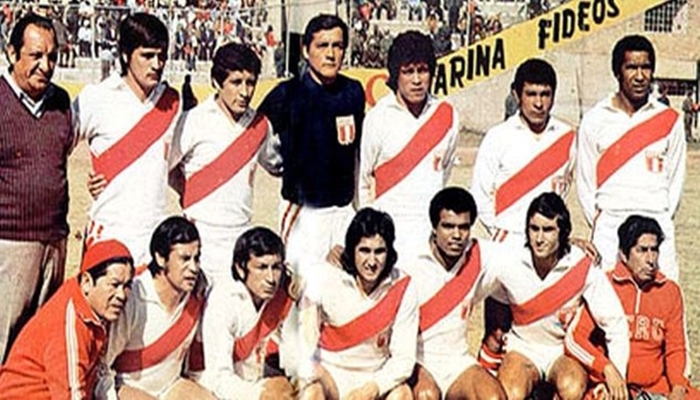 Playing for Peru was bitter-sweet experience too: after Neeskens’ arrival in Barcelona, the national team of Peru was more than matter of patriotism and loyalty – it became the only chance to actually play for Sotil. But in that times clubs were more than reluctant to release players for national team duties and South Americans playing in Europe suffered the most because of the distances. Yet, Sotil reached the peak with the national team in that time, winning Copa America in 1975. It was fantastic event: Sotil was permitted by Barcelona to join Peru only for the final in Caracas and he arrived not even in the last minute, but after the last minute – travel was such, that he entered the stadium when his teammates were warming-up on the pitch already. It was exactly from the airplane to the field, hardly the best circumstances for strong performace. However, Sotil made a miracle – he scored the only goal of the final against Colombia and thus Peru won Copa America. Hero again and at least to the general public, there was nothing wrong with ‘El Cholo’ – but there was…
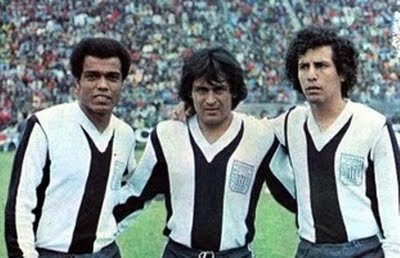 It was lucky strike – Sotil was again in great company, between old buddy Cubillas and bright new star Cueto. It worked, Sotil recovered his form, but in a new position: age, inaction and alcohol combined did damage – Sotil lost speed and moved back to midfield. But he shined there and enjoyed playing – and was included in the Peruvian team for the 1978 World Cup finals.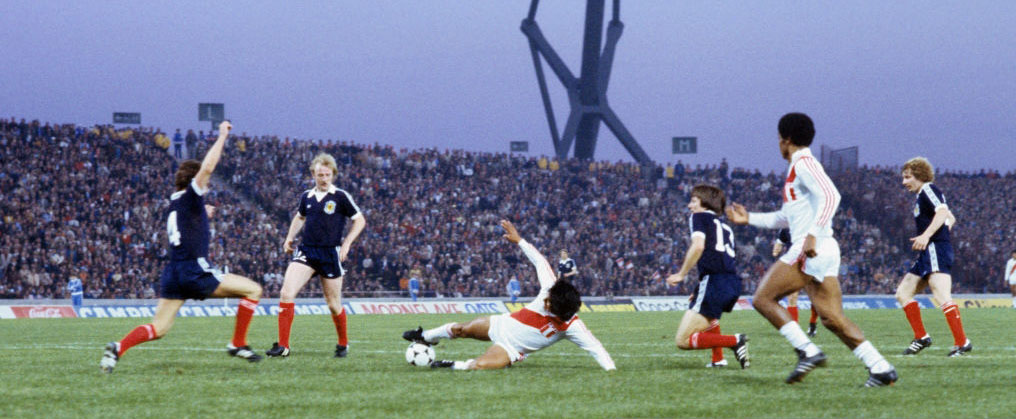
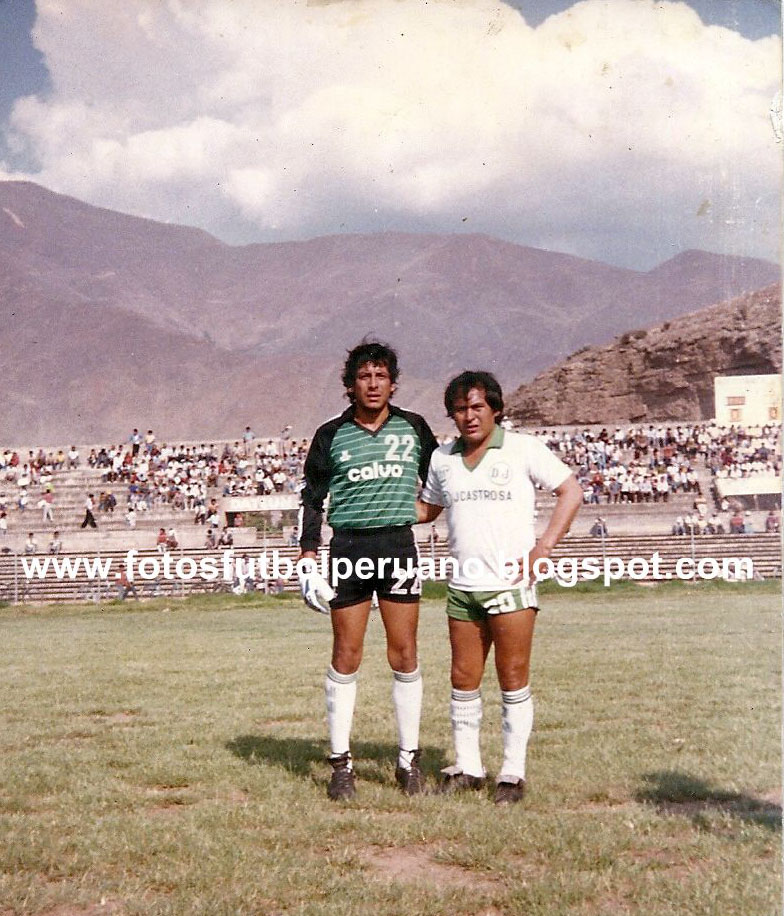 In 1986 he went to Deportivo Junin and that was the real end – again in the obscurity of second division, this time full obscurity: how many games he played Deportivo Junin is unknown. His final moments left no record, only a photo.
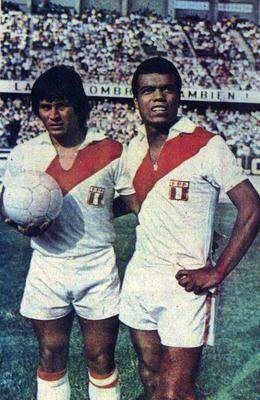 Sotil and Cubillas – what a great duo and how different careers. Compared to Sotil, Cubillas had it worse in 1973 – he was already bigger star than his friend, but went to relatively smaller club and inferior championship: FC Porto. Sotil went right to the top – Barcelona and the Spanish championship. And immediately shined. Cubillas was in the shades somewhat – FC Porto was not yet the great club known to everybody and played secondary role in Portugal. From there Cubillas moved even further down – to Switzerland. But he played regularly, he was local star, he maintained high form. Sotil was at the top of professional football, but sitting on the bench, losing form and value. It could have been different if Sotil, realizing the hopelessness of his situation in Barcelona demanded to be transferred – but he did not and the club chose to keep extra player just in case, diminishing the value of Sotil this way. By 1976 very likely there were interested buyers, so the only thing for Sotil was to go back to Peru and more or less starting from scratch. It was only brief recovery of form, bad habits taking their tall as well. Like Garincha and George Best, Sotil lost money and needed more to feed his habit, thus plunging further down, going to play for whoever was willing to pay him, but unable to impress even in lower levels of footballing world. Cubillas made the most of his talent, Sotil – the least, he destroyed it and became pitiful and painful site. He quit playing anonymous, forgotten, and miserable.
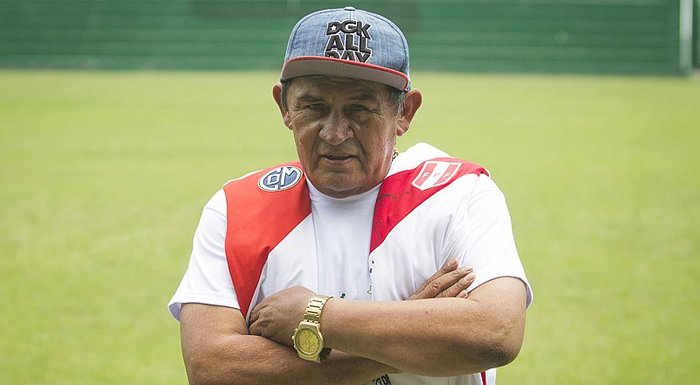 But unlike Garincha and George Best, Sotil did not destroy himself entirely and managed to come out of his demons – eventually, he became a coach and returned to normal life. And he is still alive and regular. His story as a player is sad and bitter one, but at least his life after retiring from playing was not lost. We lost the player, but not the man.
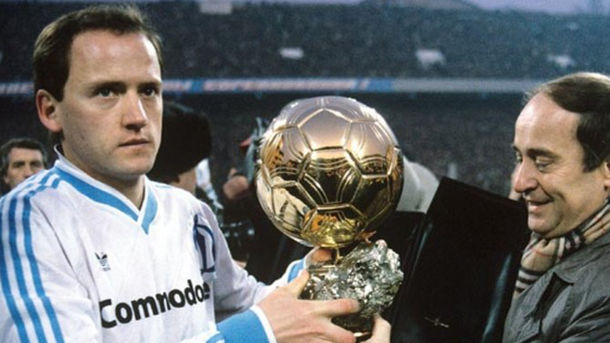 Igor Belanov, Dinamo Kiev and USSR, got most points – 84. He was listed number one by 8 journalists and number two by 7. Certainly more people listed him at the top than any other player, but more remarkable was that 21 journalists listed him number 6, the lowest places giving points. That is, Belanov’s talent was universally noticed, but most did not considered him the best, but only one of the top continental strong players.
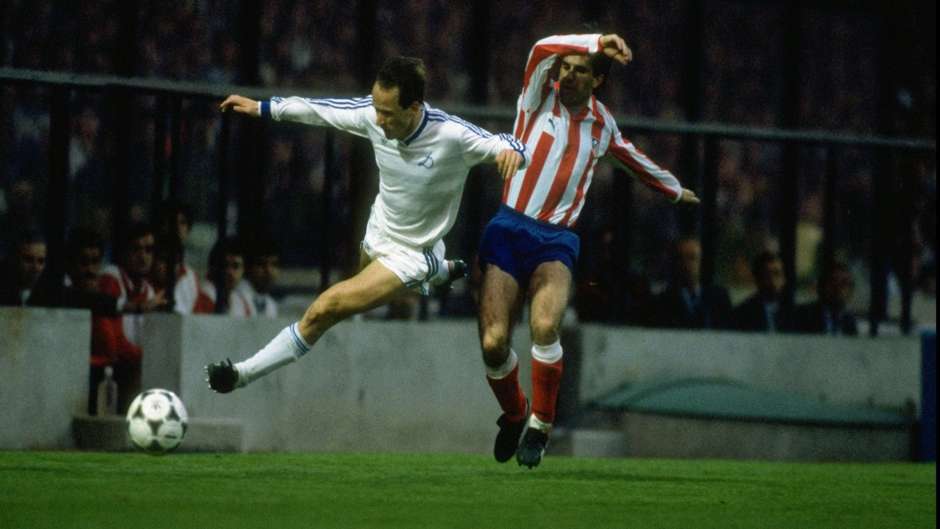 Really, Belanov got the award largely thanks to his play at the Cup Winners Cup final. Dinamo Kiev dazzled everybody in this match and won it against worthy opponent, Atletico Madrid, displaying football at much higher level. Belanov was splendid himself. Yet, not just to foreign eye Belanov came from nowhere – even on the Soviet Union he hardly caught much attention in the previous years, when he played for Chernomoretz (Odessa). It was his move to Dinamo which propelled him to great season and eventual inclusion in the national team. Yes, his talent finally hit home, but Belanov was not some talented youngster – he was mature player at his prime. The jump from relative obscurity to international fame was not only sudden, but inconsistent too: Belanov failed to impress much at the World Cup finals. Thus, it was mostly thanks to Cup Winners Cup final he won the European award. And unlike all previous holders of the trophy, Belanov was unable to stay at this level longer – strong player, no question about it, but also one-time-wonder.