Austria – ranked 10th. The eternal question – how objective is the objective? Looking at the ranking now, one can think Austrian football was in good shape. Ranked well above France and Holland. Ranked above recently exciting Romanians. Ranked that high by UEFA, using the most objective criteria – results. But results are often chancy… you have good luck with a draw and go ahead; mighty teams meet each other meantime and one is eliminated. Cold results of 5-year span are both objective and frivolous even for clubs like Real Madrid and Bayern. Behind the cold results there was also objective reality: Austrian football was rather going down. The great generation of Krankl, Pezzey, and Prohaska aged and going into retirement. The new generation was not similarly talented. Clubs were not in good financial health for a long time already and apart from Austria and Rapid generally struggled – amalgamation, relocation, renaming happened frequently. The efforts of the Federation were more desperate than anything: restructuring of the championship formula and shrinking of the top league aimed at financial stability and keeping competitive edge, but it was a clear sigh of crisis – football was not the most popular sport in Austria and the whole football culture was not as fanatical as elsewhere, so nobody cared all that much to pour his money in it. Gates were low, sponsorship may have been a little forced. Top talent preferred to play abroad for higher pay and in more exciting teams and championships. Meantime Europe was changing rapidly and Austrian clubs had difficulty hiring even relatively cheap East European imports – Greece and Turkey were paying more. Even Rapid and Austria were having difficulty making and keeping strong squads and smaller clubs more likely only tried to keep themselves alive – from this side of the game, it was ironic to see Austria ranked higher than France, Holland, Romania, even Sweden. But results spoke differently even when Austrian clubs were not winning any international trophies, very rarely, if at all, were reaching European finals. The reality now was that: the top league had 12 teams, but only 8 played to the end. After the regular season the lowest 4 went to promotion/relegation stage, joined by the top 4 in the regular season of Second Division. Nothing to be done about it… even small league was not competitive enough and second level was even worse… Names constantly confirmed exactly the convulsive struggles for mere existence: not only Austrian clubs were written under the name of the sponsor, but sponsors were reluctant to stay – Wacker (Innsbruck) was the name in 1985-86, but Swarovski – Tirol in 1986-87. First Vienna – Emco played in 1986-87, but became First Vienna – Rank Xerox for the next season. In 1984-85 they were First Vienna – Portas… VOEST (Linz) finished 1986-87 and became Salesianar Miettex VOEST. Practically only Rapid (Vienna) managed to keep its club name – even their rivals Austria were Austria-Memphis since 1977 (and Austria-WAC between 1973 and 1977). The old Viennese clubs Admira and Wacker were hard to remember now – they amalgamated into Admira-Wacker and did not even represent Vienna anymore, but the suburb Maria Enzersdorf. This relocation was not forever either… Troubles and more troubles, that was Austrian football for very long time already – may be starting in 1966-67, when the first sponsor name was incorporated into club’s name (ESV Admira – NO Energie). This is practical confusion for anybody trying to follow Austrian football, for different sources name teams differently at the same time – some list just club names, some just sponsor names, some mix… club names, full legal names, sponsor names, just city names… a nightmare, generally boiling down to permanent crisis and not at all suggesting high-ranking championship.
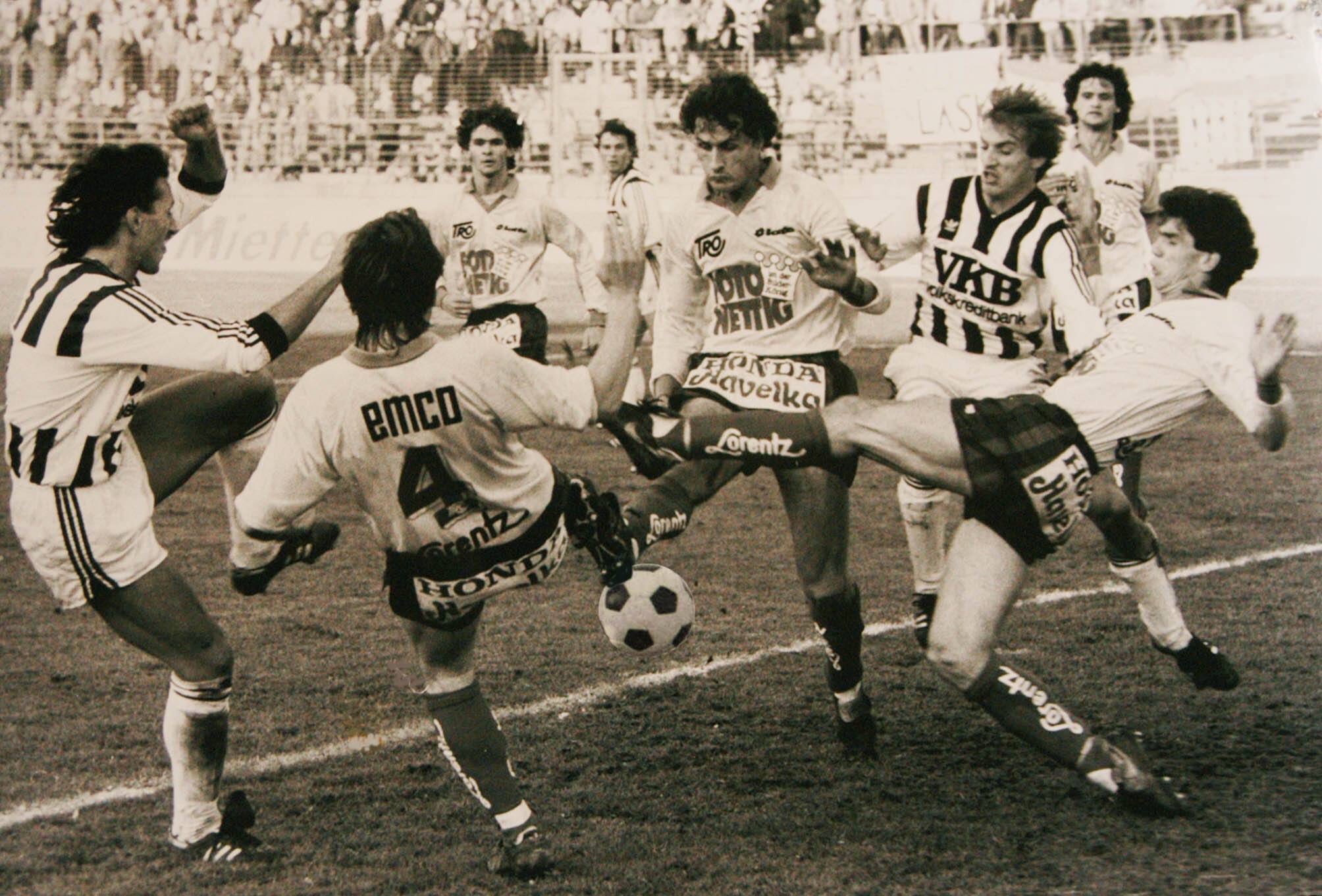 This moment of the match between LASK (striped jerseys) and First Vienna perhaps tells best the troubles of Austrian football: the absurd usage of every possible part of the kit for adds.
On the pitch Rapid and Austria dominated and battled between themselves. Behind them the primary aim was to make the top 8 in the fall part of the season so not to worry about possible relegation and failing that – to try to overcome the best 4 teams from Second Division in the spring and remain in the top league. That was all… SK Austria (Klagenfurt) was absolute outsider in the fall part of the season, played as standard championship: in 22 games they won only once. Grazer AK took 11th place, SC Eisenstadt was 10th and First Vienna FC – 9th. They went to promotion/relegation spring season againt the top 4 from the fall season of Second Division: VfB Modling, SK Vorwaerts (Steyr), SV Austria (Salzburg), and DSV Alpine (Leoben).
Now, who else played in the Second Division before the final phase? Who cares…
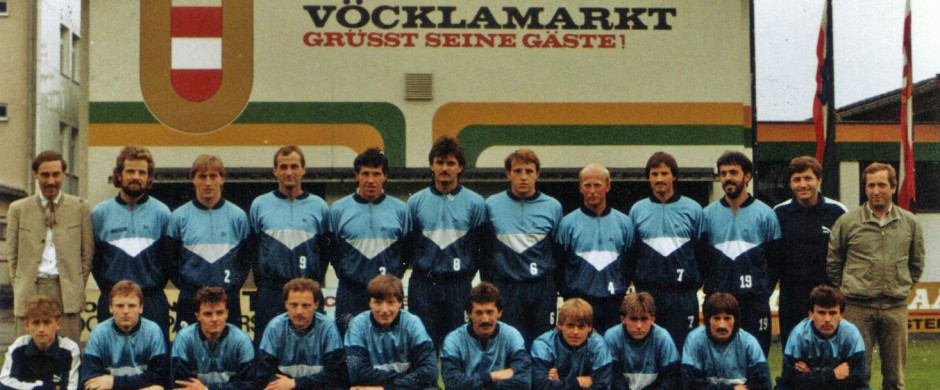 Teams like UVB Vocklamarkt.
Even the best of the Second Division were no match to the worst of the top league: after 14 games only VfB Modling – or VfB Union (Modling) was OK.
 They won the promotion/relegation phase and were promoted.
Second was First Vienna FC – or First Vienna Football Club-Emco, 3rd – Grazer AK – or GAK-Ring-Shuh (Graz), 4th – SK Austria (Klagenfurt). Those three preserved First Division places for the next season.
SC Eisenstadt (Eisenstadt) was the only relegated team from top flight.
In the spring the top 8 continued between themselves the final part of the championship, playing twice against each other, but the fall and spring records were combined for the final table. Now the leaders really stepped in: the third best team in the fall quickly fell way behind and Austria and Rapid pushed as much as they could, which benefited Rapid – they were 2nd in the fall, 3 points behind Austria, but managed to overcome the difference and the season had dramatic finish.
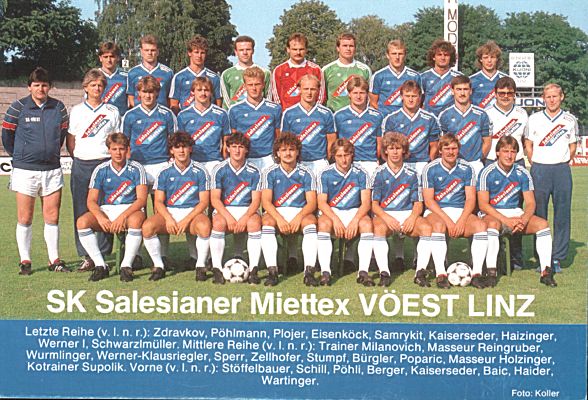 SK VOEST – or SK Salesianer Miettex VOEST (Linz) – more or less ended the championship in the fall, when they were 5th. With guaranteed stay in the league, they seemingly did not care much anymore – 8th in the final table with 29 points (22 of them earned in the fall).
Sturm – or SK Raika-Sturm (Graz) – ended 7th with 30 points.
Wiener Sport Club (Vienna) – 6th with 32 points.
FC Admira-Wacker (Maria Enzersdorf) – 5th with 33 points.
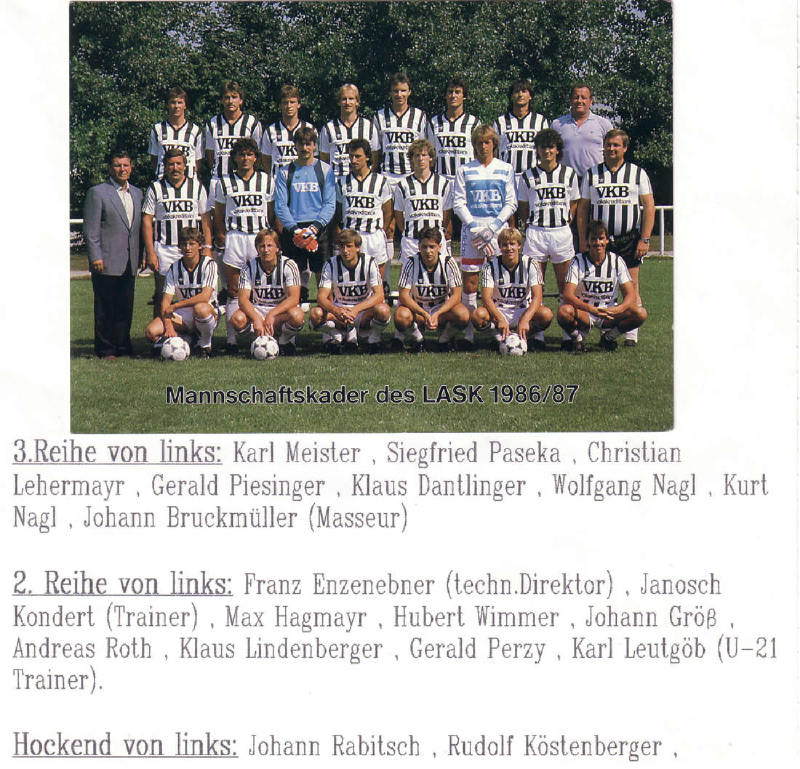 LASK (Linz) – 4th with 40 points. They pushed hard in the spring, adding 18 points, but were really not a match for the best three teams.
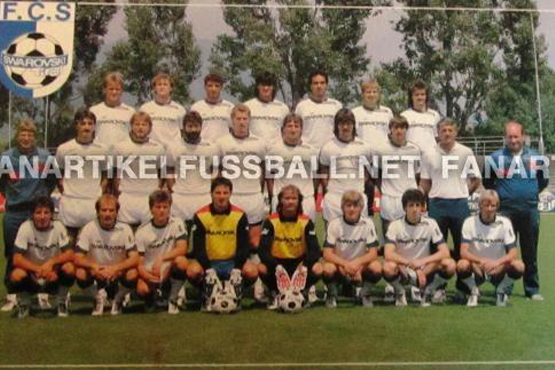 FC Swarovski-Tirol (Innsbruck) was the third strongest Austrian team at the moment, but inferior to the two leading clubs: 3rd with 45 points.
Rapid and Austria made the championship exciting – the old rivals finished with equal points and goal-difference decided the champion.
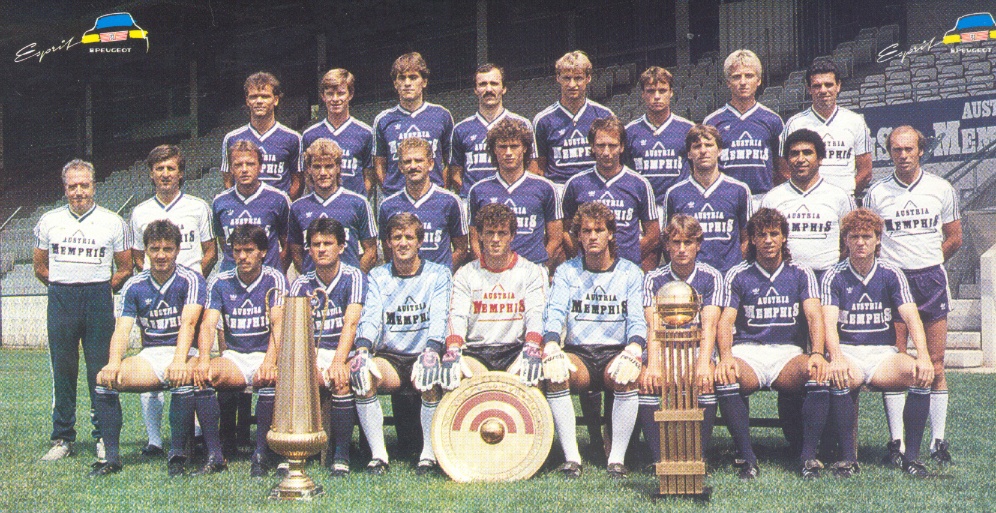 Austria – or FK Austria-Memphis (Vienna) won the fall part of the season, leading by 3 points, but in the spring their enemies were stronger and both teams ended with 52 points. Austria had 86-40 goal-difference and +46 was not enough… 2nd at the end.
To row from left: Gerald Glatzmayer, Josef Degeorgi, Robert Frind, Ewald Turner, Anton Pfeffer, Tino Jessenitschnig, Ferry Janotka – assistant coach.
Middle row: Georg Schreitl – masseur, Thomas Parits – coach, Erich Obermayer, Ernst Baumeister, Herbert Prohaska, Toni Polster, Tibor Nyilasi, Hans-Peter Fruhwirth, Ahmed Barakat – masseur, Hans Holdhaus.
Sitting: Alfred Drabits, Johann Dihanich, Ossi Steiger, Vladimir Borovicka, Franz Wohlfahrt, Harald Fischer, Ernst Mader, Gerd Steinkogler, Andreas Ogris.
Well.. here was another fair sample of the troubles: of course, Austria had a good number of national team players and some of the new talent was theirs as well – particularly Toni Polster, who was the top scorer of the season with 39 goals, but the squad was not as well rounded as it was in the 1970s. It was certain that Polster will go abroad. Prohaska and Hungarian star Nyilasi were already 32 years old. The new goalkeeper – Vladimir Borovicka, 33 years old – has been a champion of Czechoslovakia with his former club Bohemians (Prague), but played only a few games for the national team: certainly not a big star. Taker away the movers and shakers – Prohaska, Nyilasi, and Polster – and there was not much left… Ogris, Degeorgi, Dihanich, Drabits… that was it.
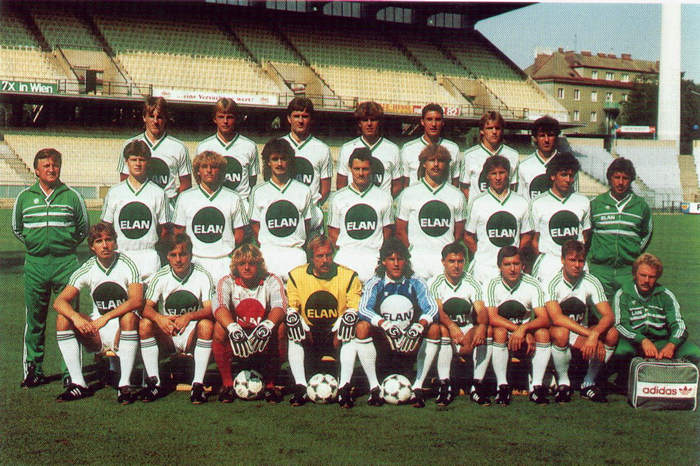 SK Rapid (Vienna) was lucky winner: 22 wins, 8 ties, 6 lost games, 94-43 goal-difference, 52 points, like Austria. They had particularly strong spring, but their scoring really won the title. 94 goals – impressive on its own number, but that made a record of +51, beating Austria by 5 goals. Which was quite amazing, because Toni Polster scored fantastic 39 goals for Austria and Rapid did not have a man among the top three scorers in the championship. May be lucky at the end, but Rapid had arguably the best coach in Austria at this time – the Yugoslav Otto Baric – and strong Yugoslav connection as a whole: their 3 foreign players were Yugoslavs as well: strikers Zlatko Kranjcar (31 years old) and Sulejman Halilovic (32), and midfielder Petar Brucic (34). There were also one or two more with Yugoslav (Croatian, more precisely) roots in the team – a good amalgam of coach and players having the same football philosophy. Yet, Rapid was quite similar to Austria – with dangerously aging stars and newer talent slightly less impressive.
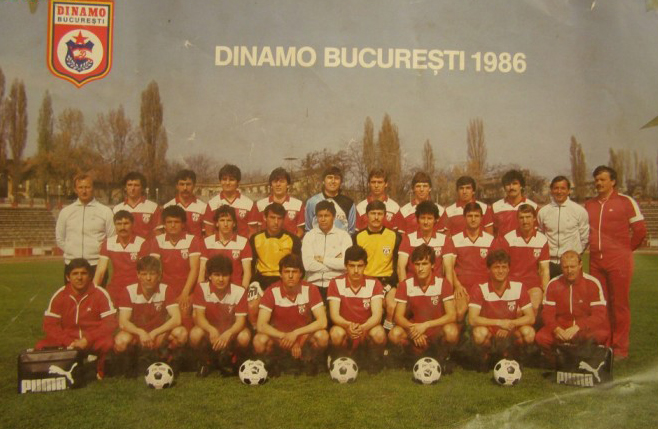 Dinamo (Bucharest) lost both the championship and the cup this season – a bitter pill to swallow for their numerous fans. Perhaps even bitterer pill for Securitate. In football terms, though… Dinamo had great squad at the time, excellent coach too, but they were somewhat shallower team than their rivals, who were at their peak. Objectively speaking, Dinamo was weaker and it was fair to lose.
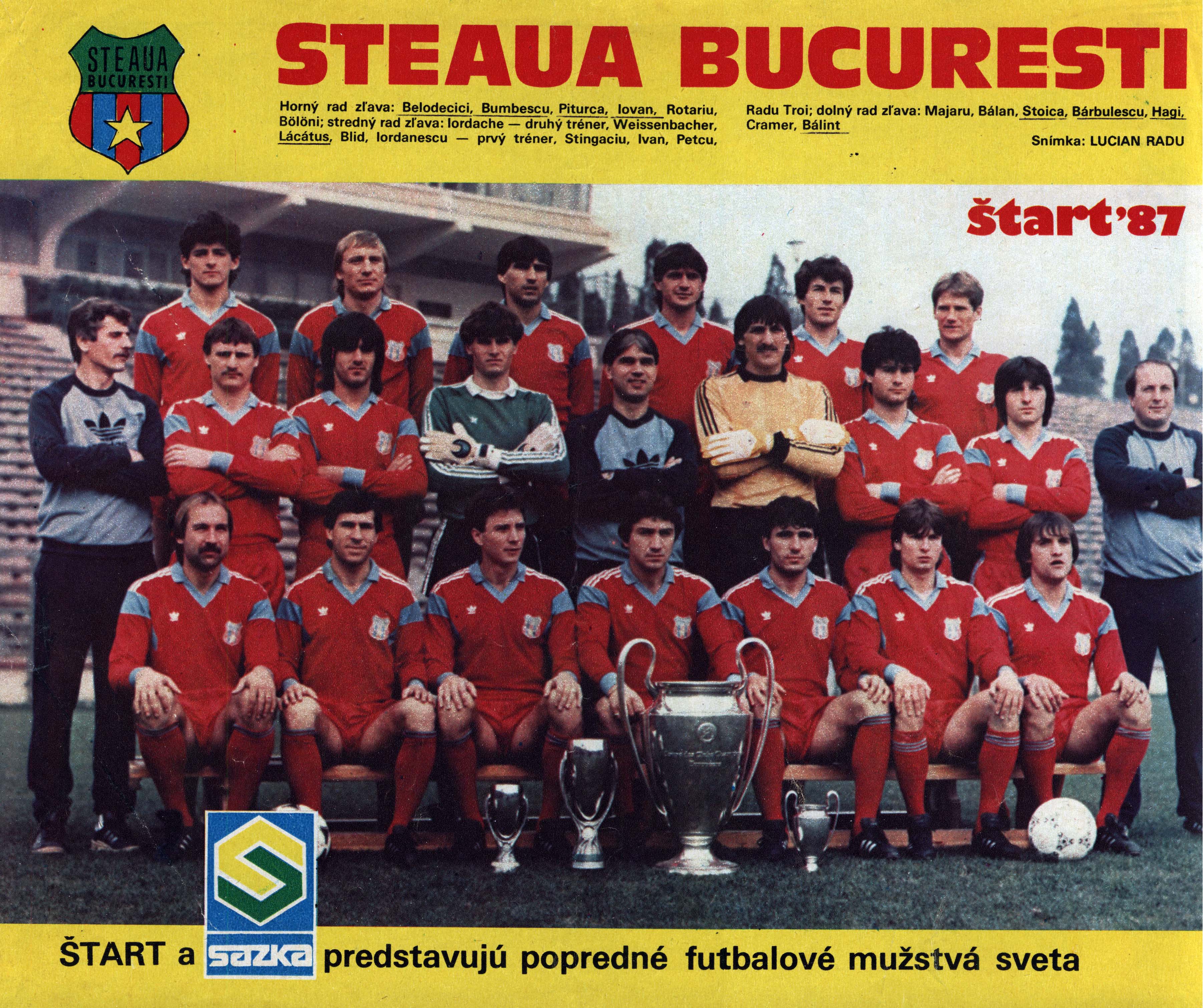 Steaua won a double this season. In total, their 12th title and 15th Cup. One may argue this was their best season ever and the squad was at its peak – but such things are relative. One may also argue that the son of Ceausescu was simply too much to oppose behind the scene, but that would not explain the international success of his pet project. Unfortunately, the unhealthy political intrigues were giving food for rumours lasting for years: the hero of the European Champions Cup final of 1986, Helmut Ducadam, was missing. That was noticed, of course, and persisting rumour was born: that he rebelled against Ceausescu’s son and was punished right away. Erased. Once rumour starts circulating details can be added at will… seemingly, the boasting of Ducadam after the final against Barcelona that he is the best Romanian goalkeeper brought the wrath of younger Ceausescu and Dukadam was banished from playing football at all or even jailed, or worse… So was the evil power of Communist rule… so was the suppression of minorities under Communist rule (Hungarians – Boloni would not be written under his real name – and Germans – such was presumably Ducadam)… So was the brutality of Communist rule that even when they aimed at concurred the world, they were ready to jeopardize conquest in order of suppressing independence, however minor – what was the point of weakening the team by banishing their great goalkeeper, if not the iron rule of suppression? Well, Steaua could afford it – they had Stingaciu, a long time national team member, to play between the goalposts. Years later it was uncovered that Ducadam was out because of injury, but suspicion never disappeared: he simply disappeared, practically never played football again, and so trivial matter as injury was revealed only years after Communism went down the drain. All that had nothing to do with Steaua’s play and achievements, but political games were part of it, a norm at the time, casting dark shadow on otherwise great period of Romanian football – and rightly so, since few years later UEFA will cancel the Golden Boot award largely because of Romanian schemes for winning it. And Belodedici will run away and ask political asylum in Yugoslavia… It is not fair to this great squad of Steaua, but the dark side cannot be dismissed.
 Chimia (Ramnicu Valcea) – last with 20 points. They have been kind of Cinderella story, staying in the top division pretty much against the odds for many years – but good times eventually end.
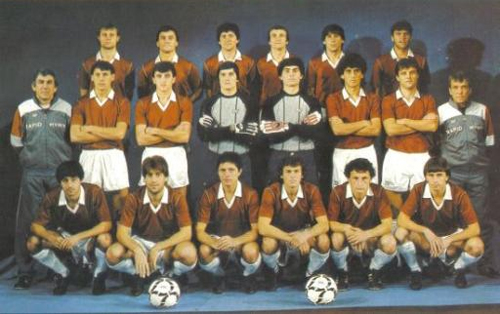 Rapid (Bucharest) – 14th with 32 points. Not concerned with relegation, but not the strong club they were years earlier.
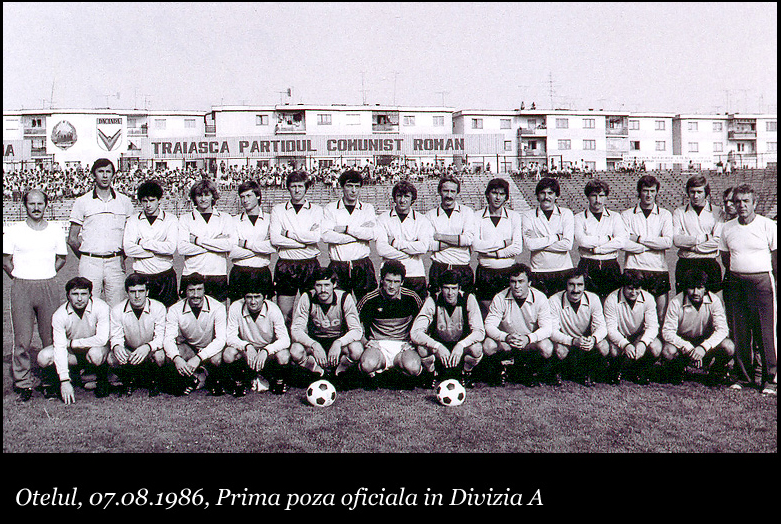 Otelul (Galati) – 11th, and
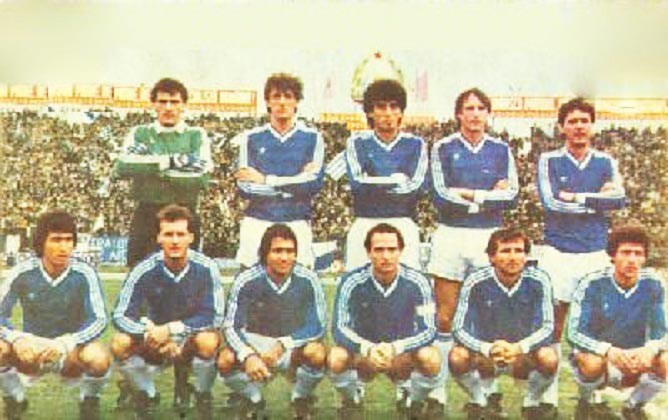 Universitatea (Craiova) – 5th, and
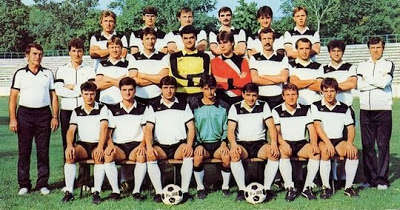 Sportul Studentesc (Bucharest), without Hagi now, but still running strong enough – 4th with 35 points, thanks to superior goal-difference.
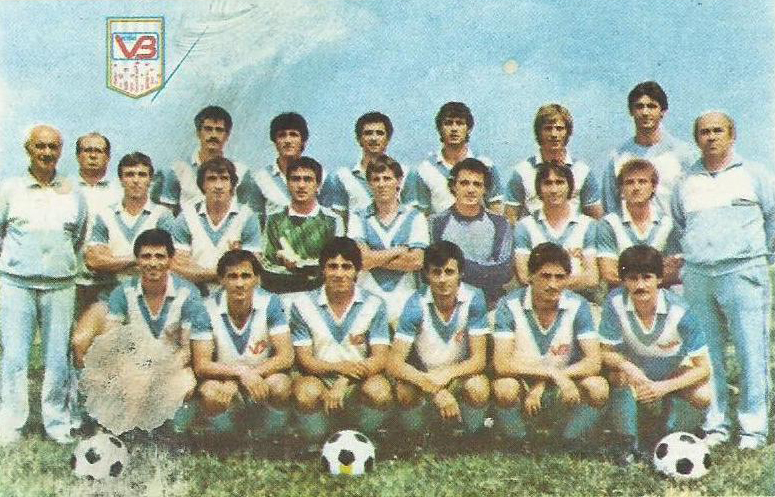 Take it as you like – Victoria (Bucharest), only 2 years ago the second team of Dinamo (Bucharest) and now acting as independent club finished 3rd with 38 points. On the surface, it was great achievement of a club coming out of the blue. Looking deeper… were they independent club, or just barely disguised? UEFA had no objection to their participation in the UEFA Cup. Domestically, perhaps even Steaua could not object. Let say the boys did well.
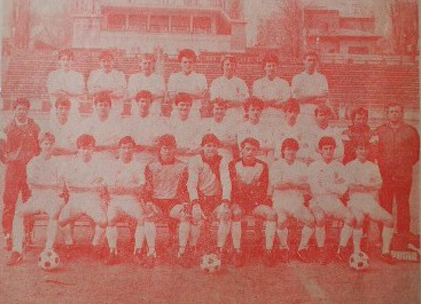 Dinamo (Bucharest) was 2nd. And alone – they were too strong for the rest of the league, leaving Victoria 6 points behind. But Dinamo was also far behind Steaua – 15 points behind. They finished with 44 points, lost 7 games. Given their squad, coach, and the mighty power of Secret Police, not an impressive season.
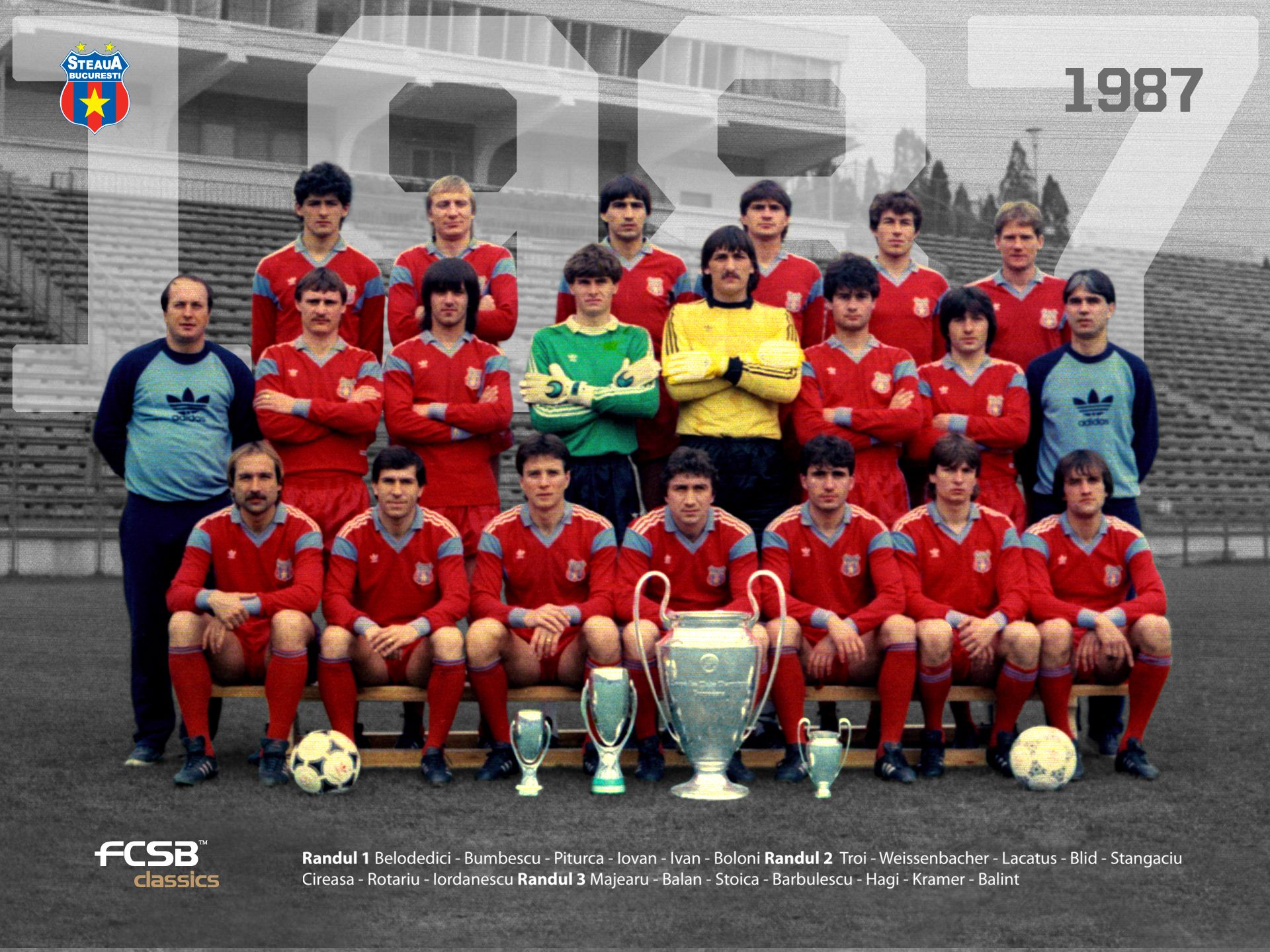 No matter how intriguing battles went behind the scene between Securitate, backing Dinamo, and the son of Ceausescu and the Army, backing Steaua, the team was at its peak and had fantastic season: they did not lose even once! 25 wins and 9 ties. 87-17 goal-difference – which is incredible +70! 59 points at the end, but the title was won long time before the final rounds of the championship. Looking at the squad – no wonder. That was the reigning holder of the European Champions Cup, made even stronger by the recent addition of Gheorghe Hagi. More than 11 players also played for the national team of Romania – Steaua had more talent than Dinamo, deeper squad, and the best Romania player. Non-playing help behind the scene also counted, but even without it the team was just too good to lose. And they did not at all.
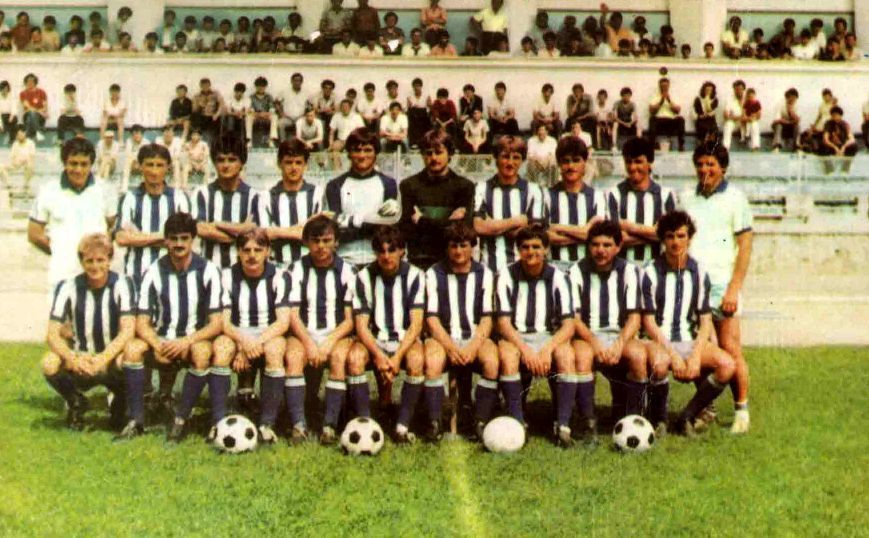
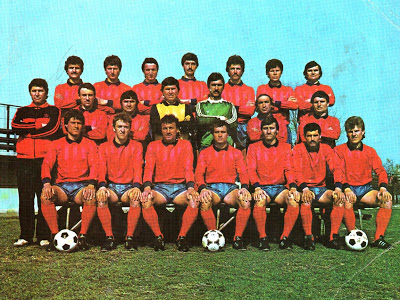 Teams like Steaua (Mizil) – which finished 5th with 38 points. Top row from left: Costel Lazăr, Nicolae Ruse, Viorel Goia, Ion Cojocaru, Aret Ene, Ion Grigore, Gheorghe Simaciu.
 CSM Suceava was the best team this season and won the championship with 49 points: 21 wins, 7 ties, 6 losses, 62-22. Promotion was great success for them.
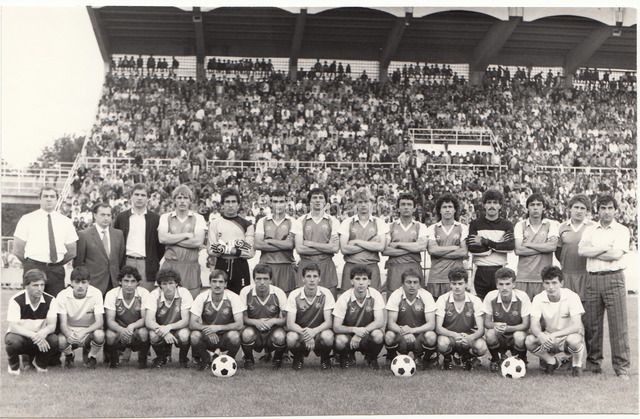 Inter (Sibiu) was 10th with 33 points.
 ASA (Targu Mures) won the division with 47 points from 19 wins, 9 ties, 6 losses and 70-31 goal-difference. Happy return to First Division for them.
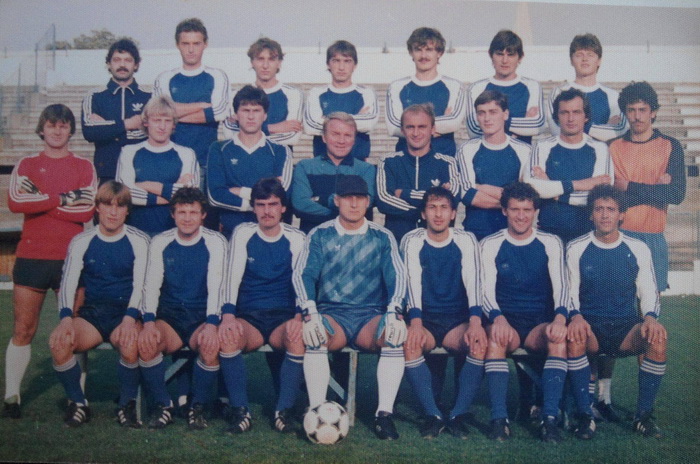 Bihor (Oradea) should have been number one – they earned 49 points. But 3 points were deducted from their record for some violation of the rules and they ended 3rd with 46 points.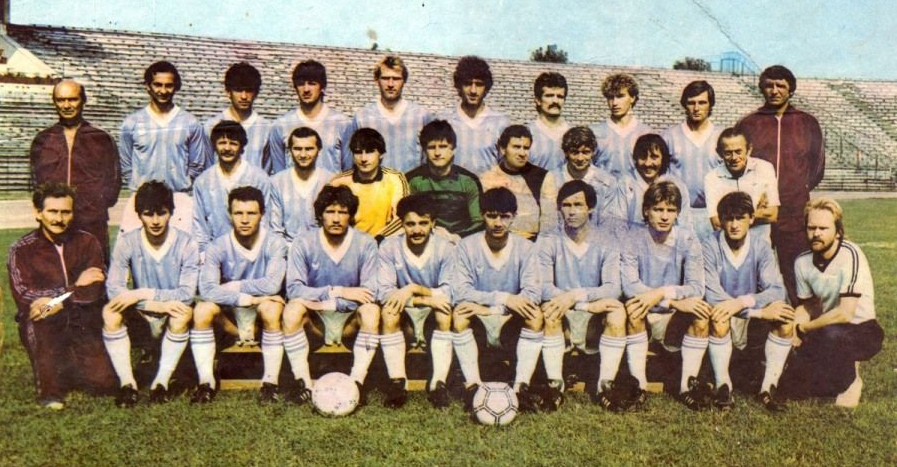
 Too bad GAIS lost, but it was bigger fun to see them lose in the long run: after all, they won the championship and got promoted.
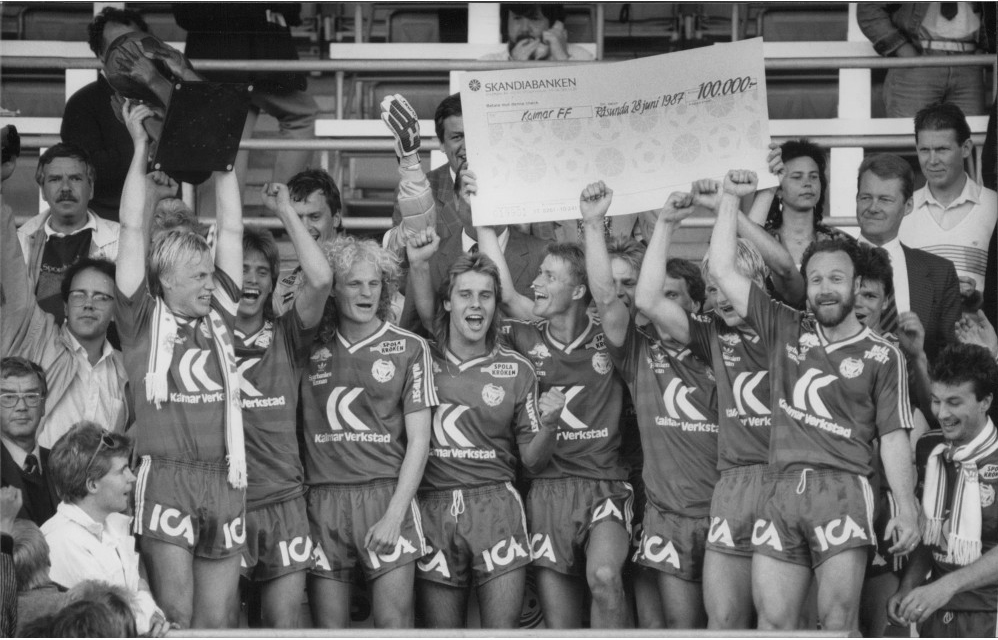 Kalmar FF won its 2nd Cup, so this season was one of their most successful. But what irony – they were also relegated to Third Division in the same time. Success and failure at the same time – that is rare, bur what is rarer was a final between 2 Second Division teams and victory of relegated to third level team.
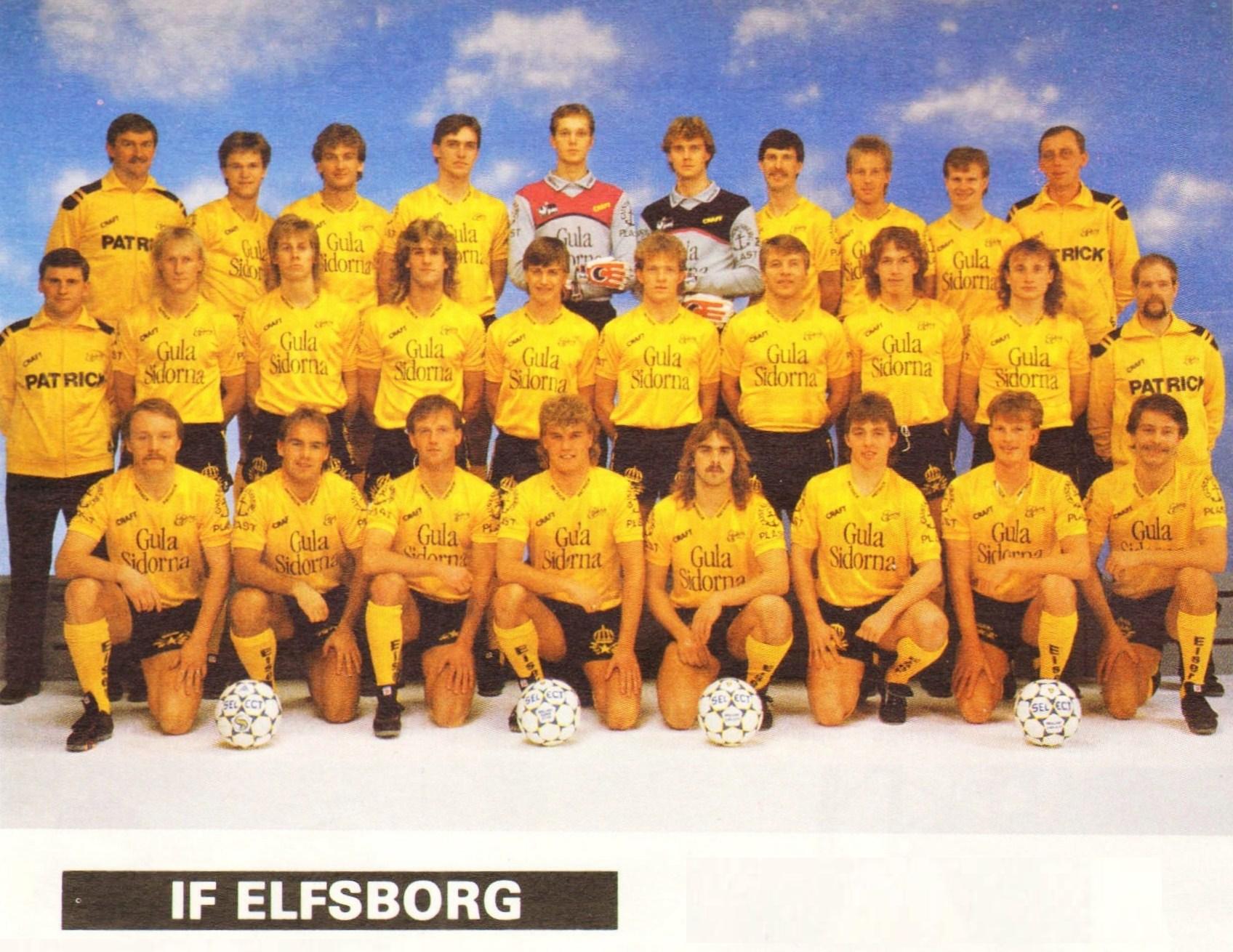 IF Elfsborg – last and relegated with 10 points.
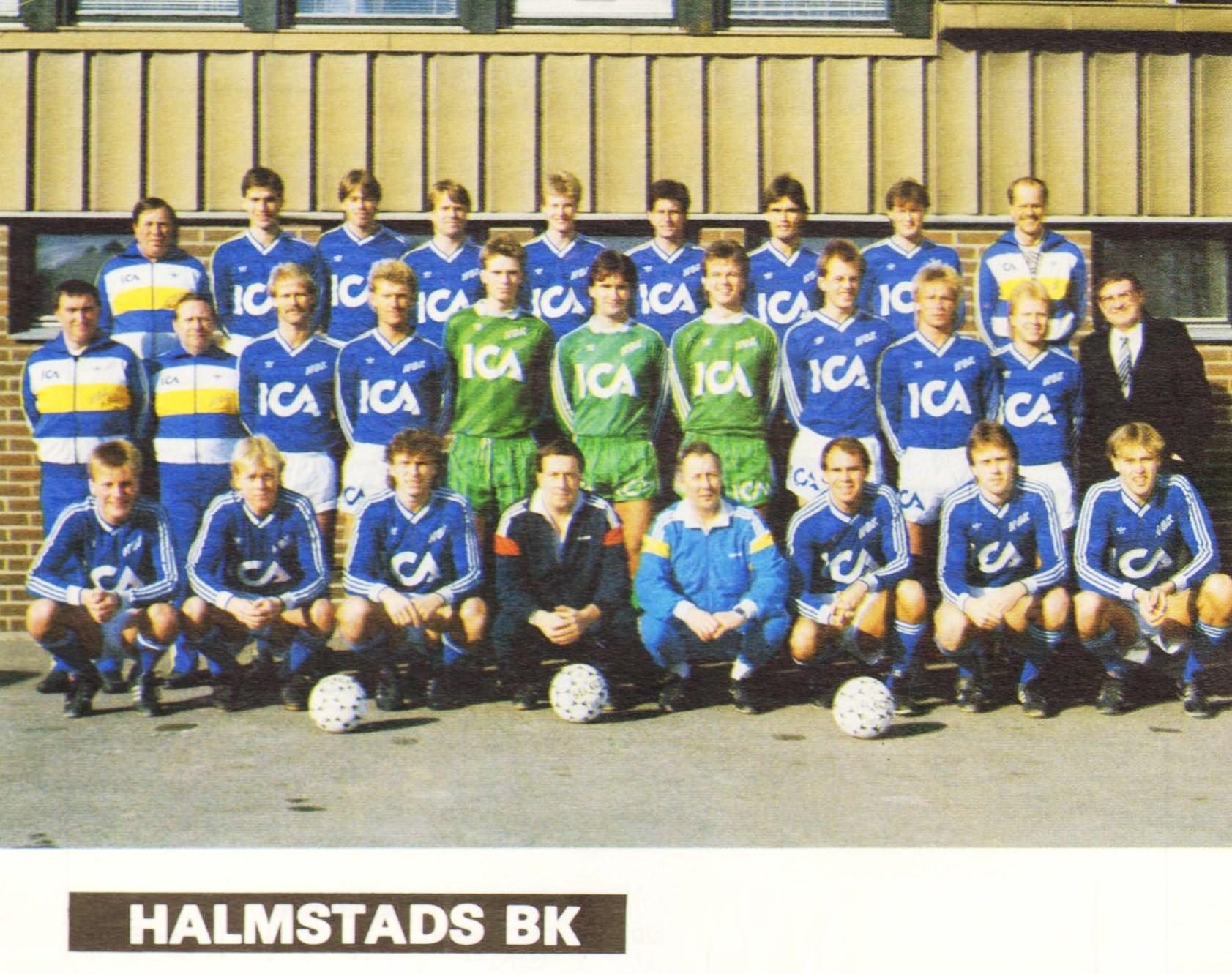 Halmstads BK – down on their luck: 11th with 17 points. Relegated on worse goal-difference. Top row from left: Anton Kacuk, Ingemar Svensson, Per Olsson, Mats Jingblad, Anders Johansson, Jan Jönsson, Magnus Peterson, Mikael Martinsson, Svante Lönngren.
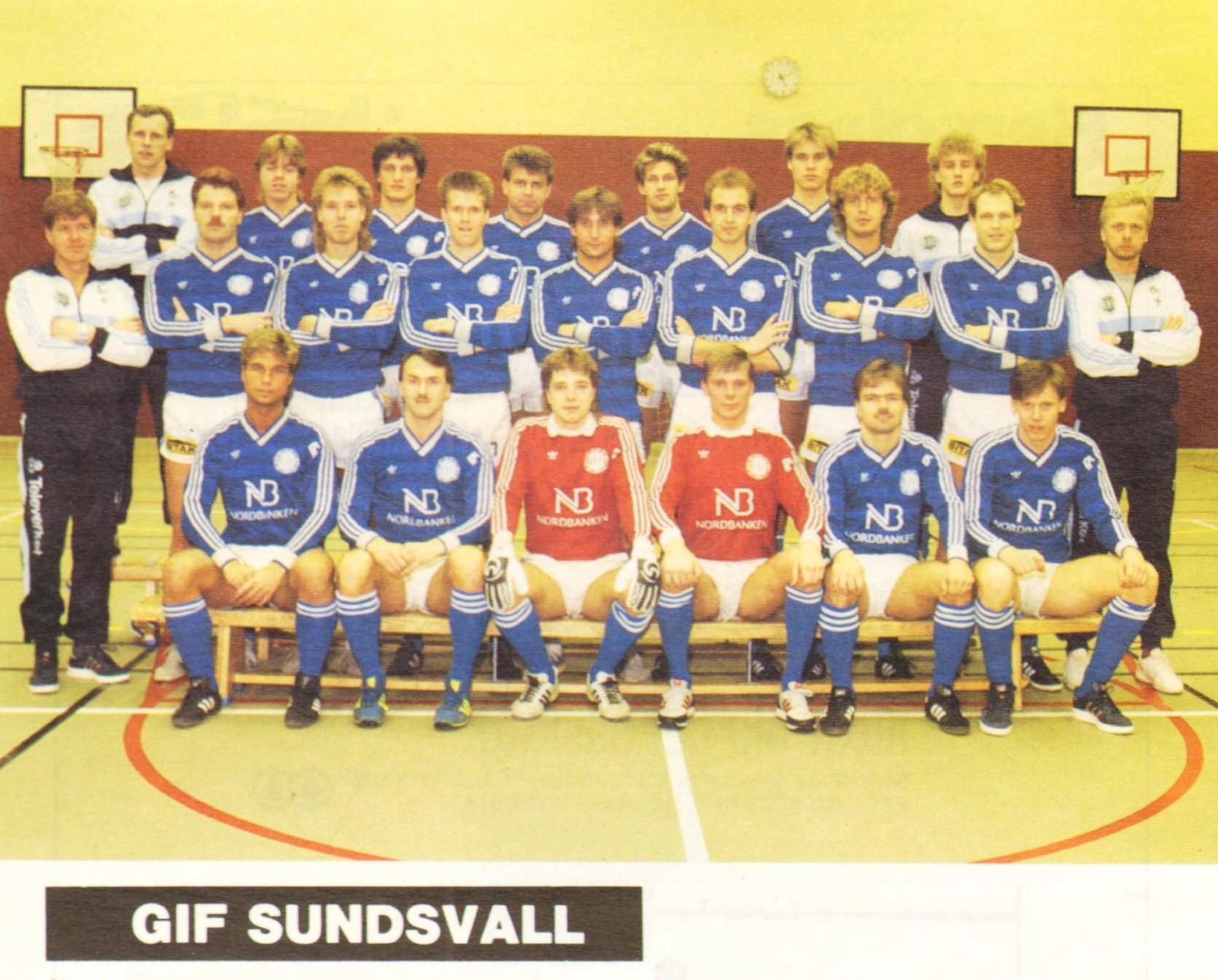 GIF Sundsvall – lucky boys: safely 10th with 17 points tnaks to better goal-difference.
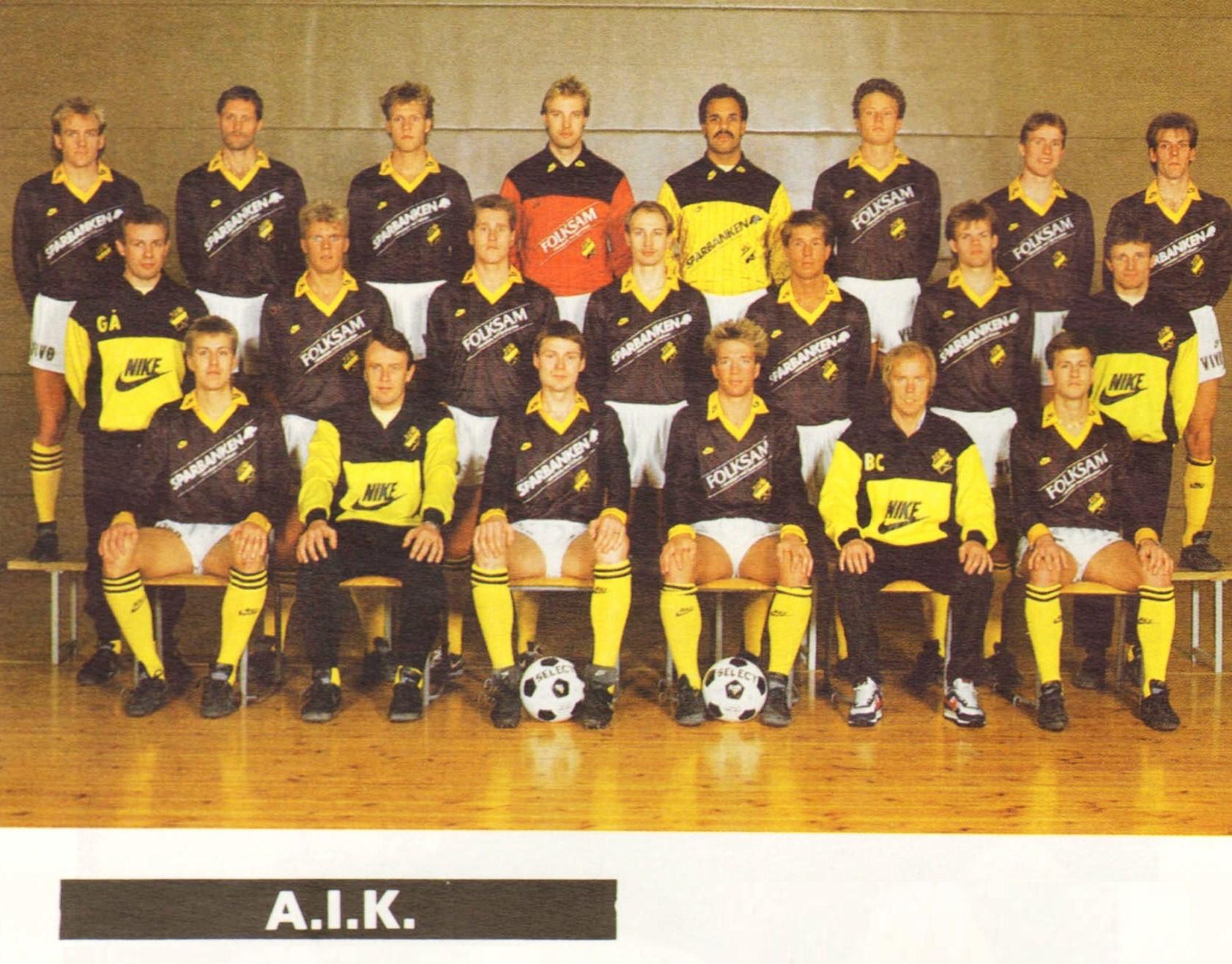 AIK – 9th with 20 points.
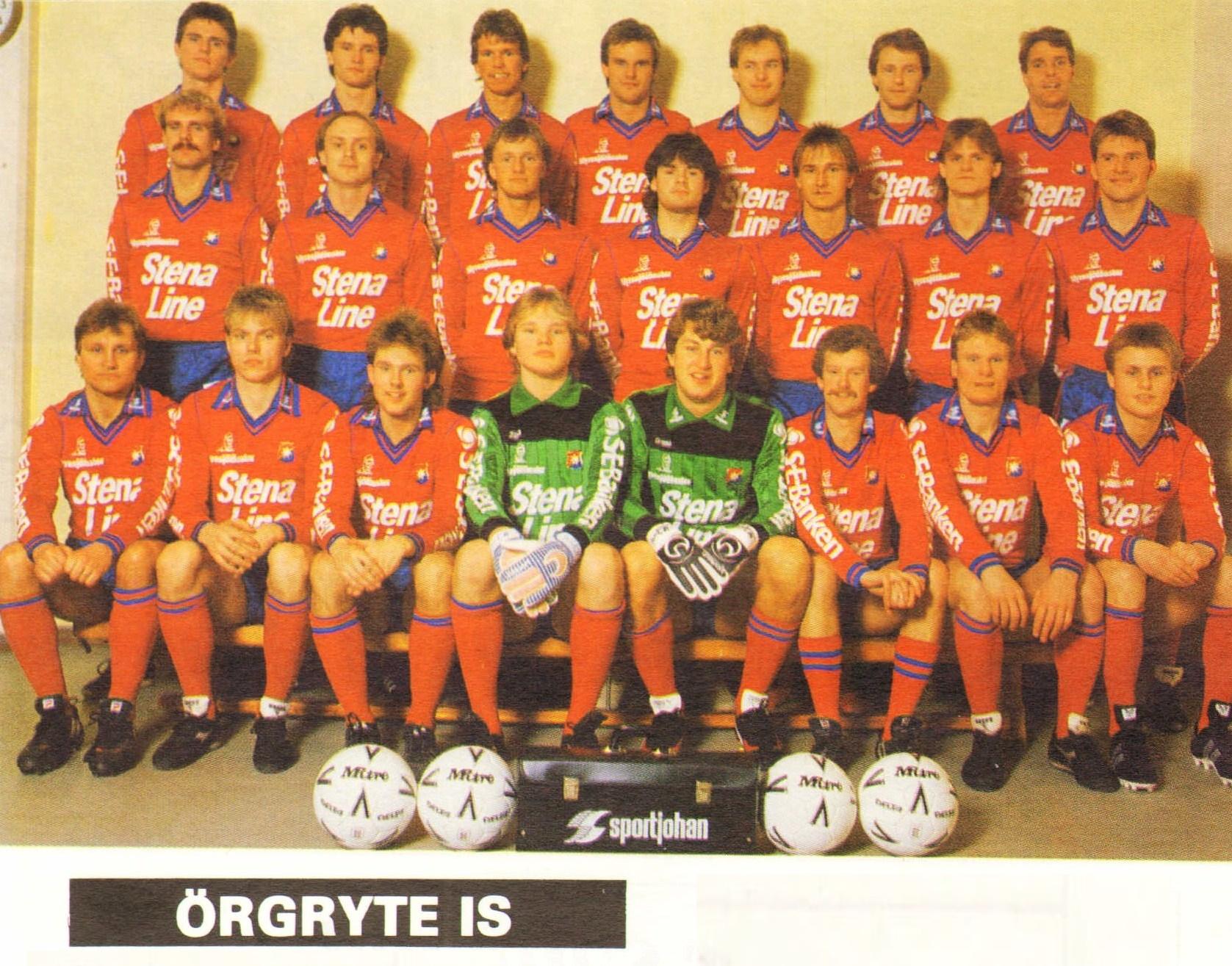 Örgryte IS – 8th with 20 points.
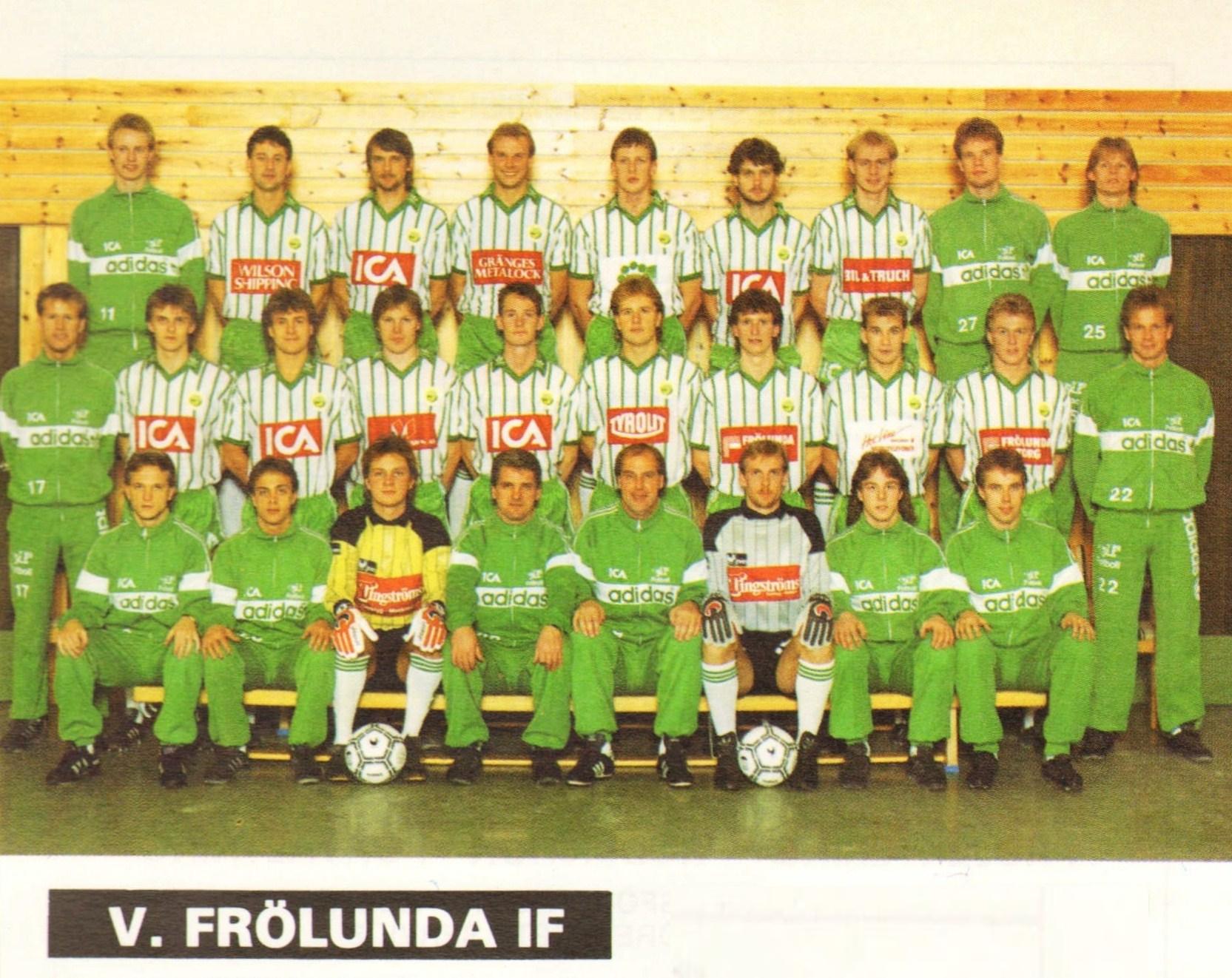 Västra Frölunda – 7th with 21 points.
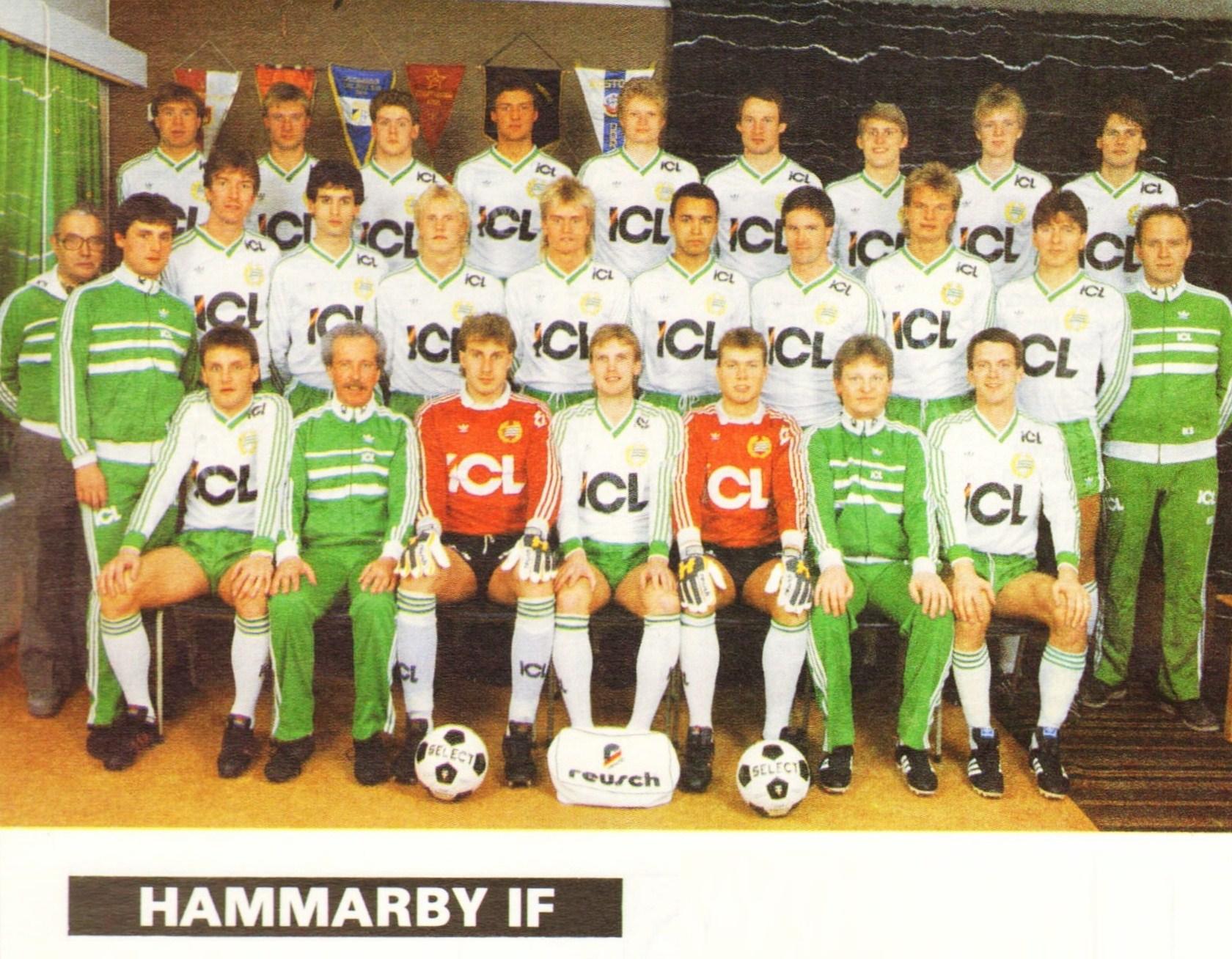 Hammarby IF – 6th with 22 points.
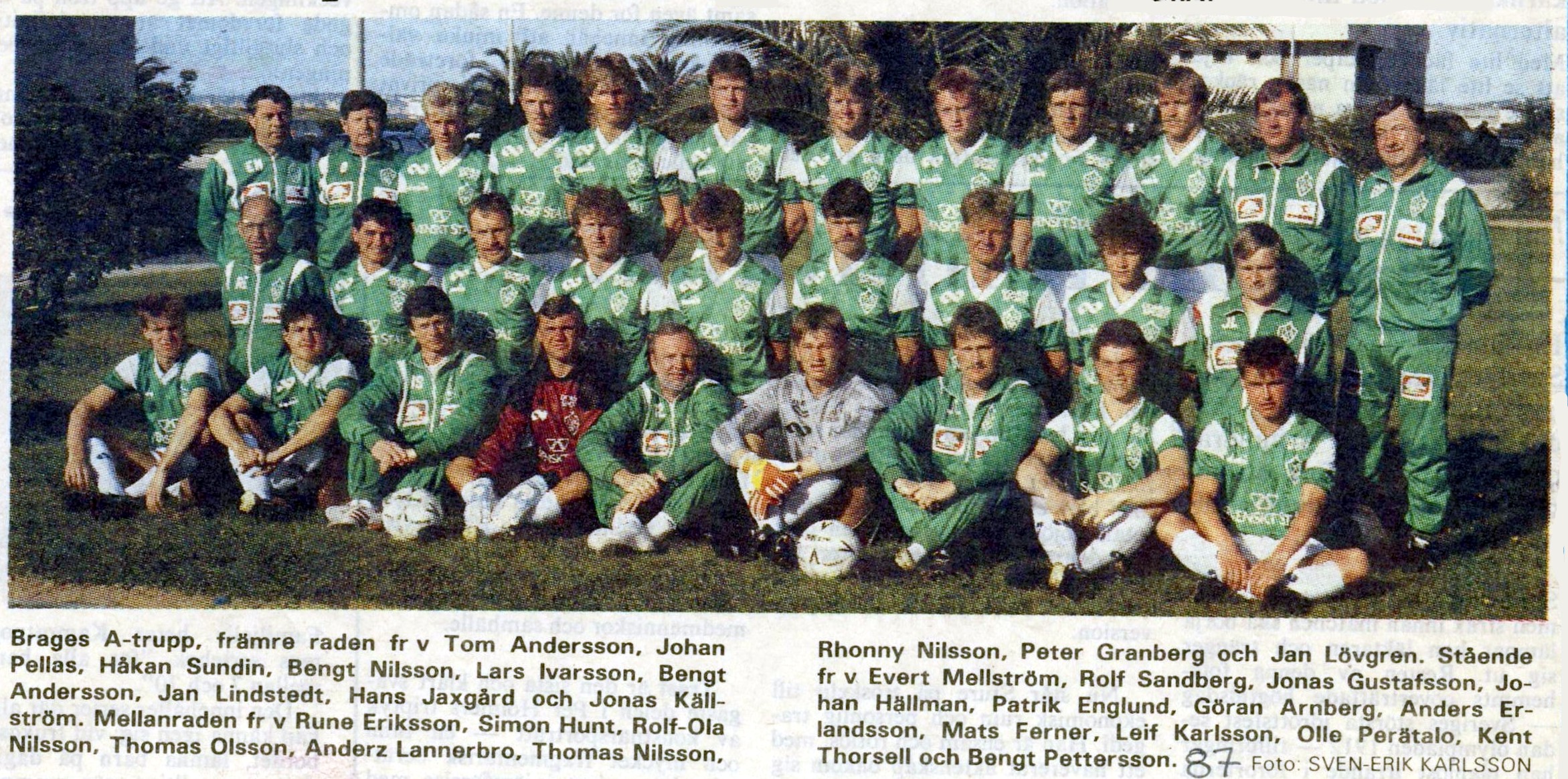 IK Brage – 5th with 24 points.
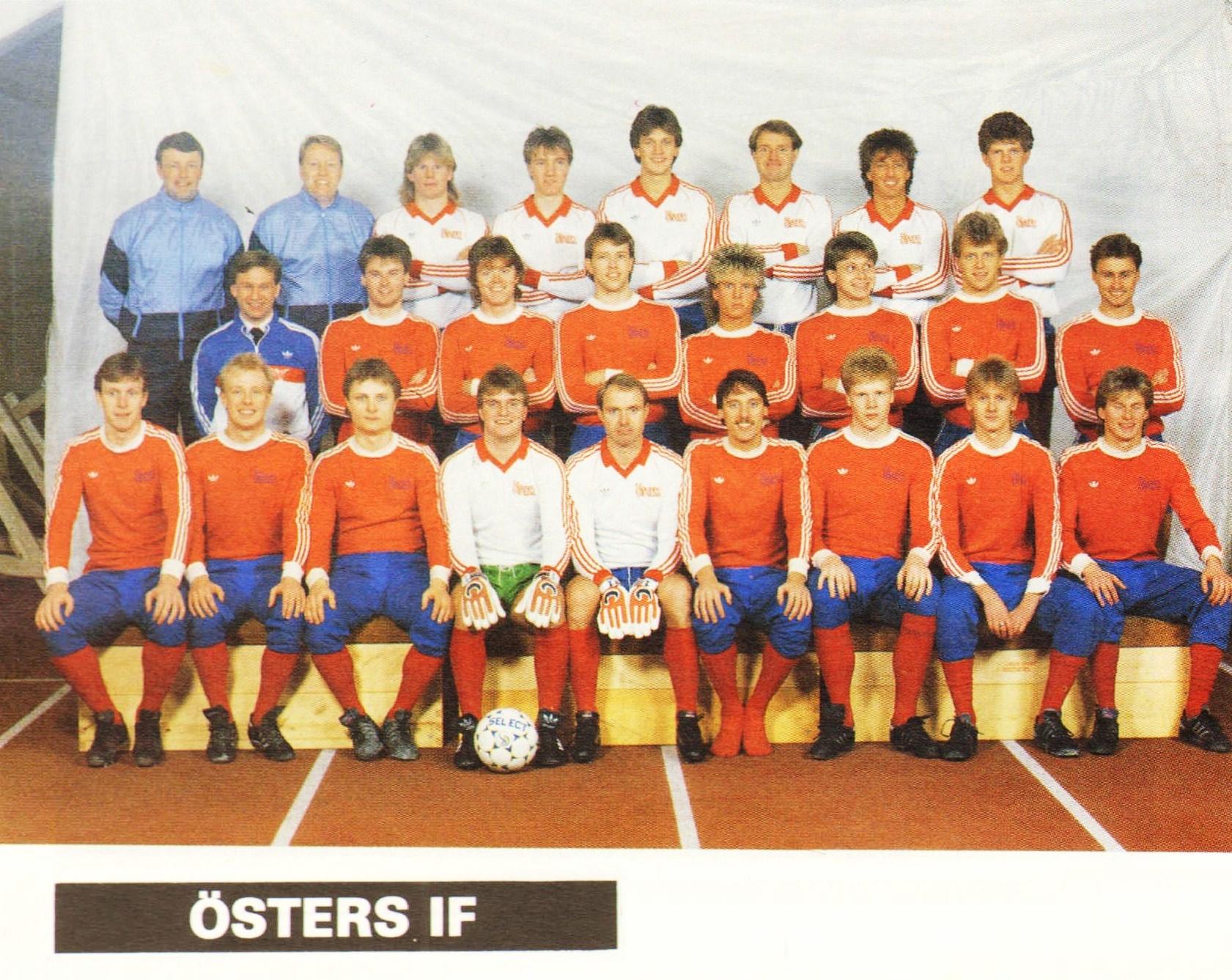 Östers IF – 4th with 24 points and going to the play-offs. Thanks to better goal-difference, though which was -1. IK Brage missed the play-offs with -2.
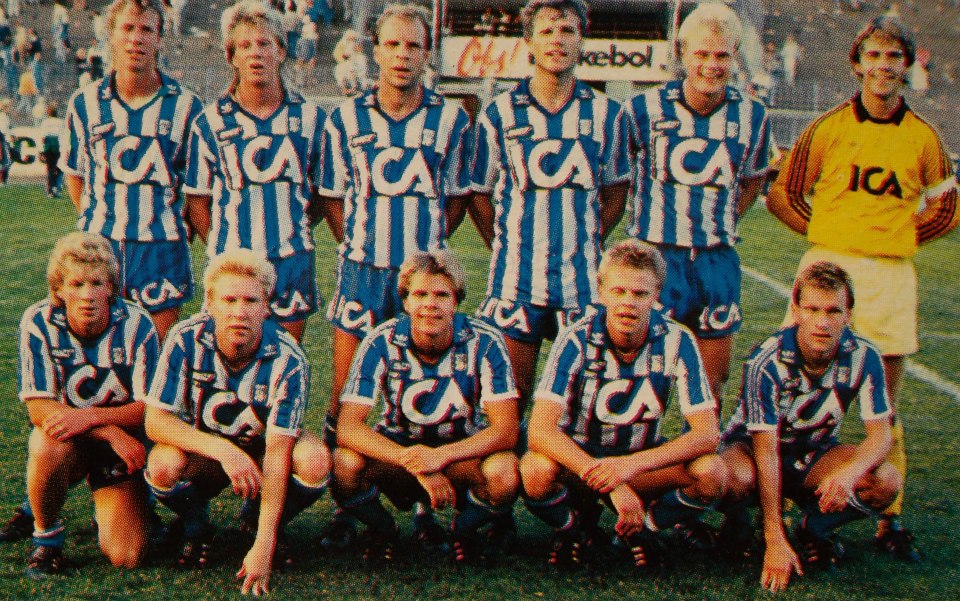 IFK Göteborg – 3rd with 26 points.
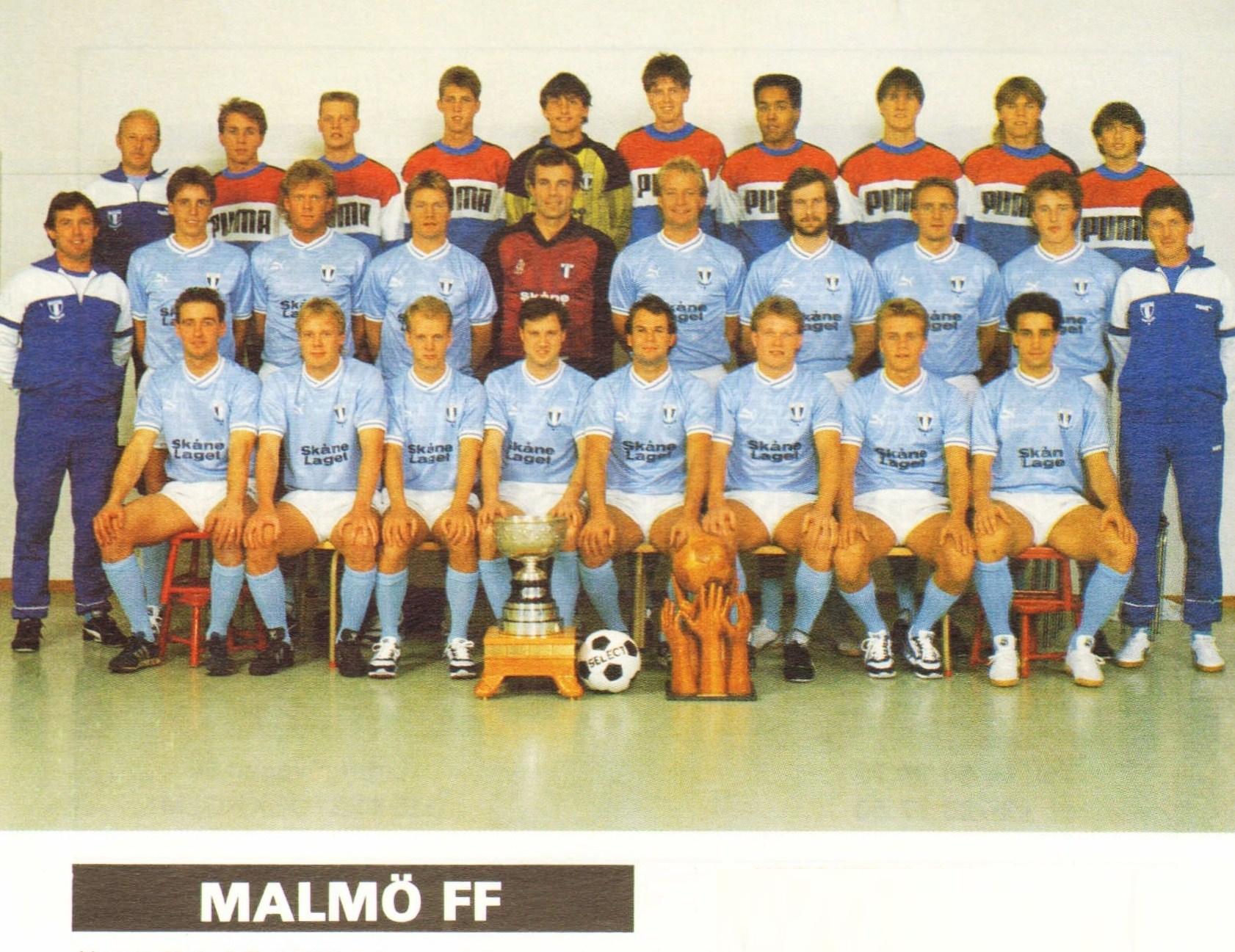 Malmö FF – strong and dominant in the regular season: 14 wins, 6 ties, only 2 lost games, 50-21 goal-difference, 34 points – first and leading by 5 points. But that was nothing… play-offs followed.
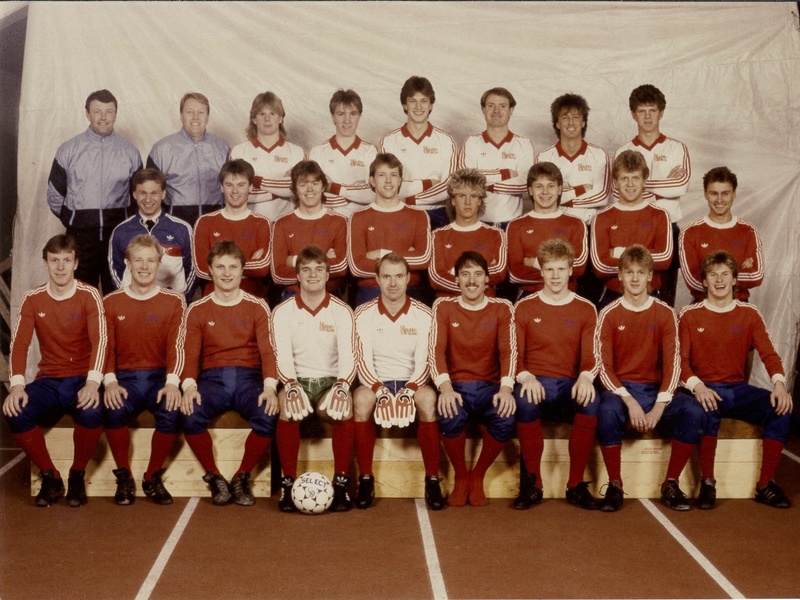 The end of the road for Östers FF – may be they even overperformed a bit. Top row from left: Peo Bild, Bo Johansson, Magnus Henriksson, Christer Frisk, Tommy Berggren, Andreas Ravelli, Lino Boriero, Magnus Jonsson.
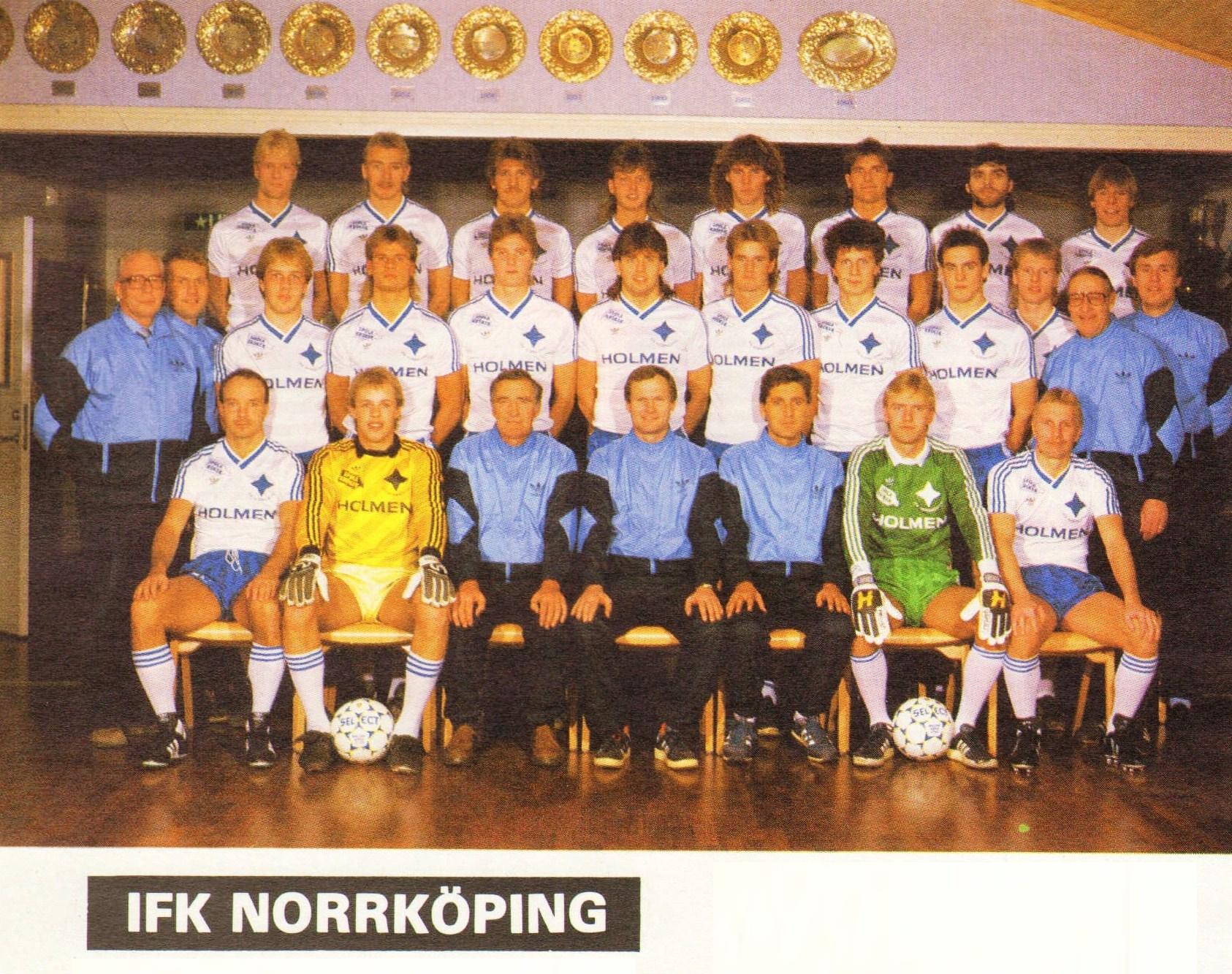 IFK Norrköping had strong regular season, but they faced a team at top form in the semi-finals and that was it.
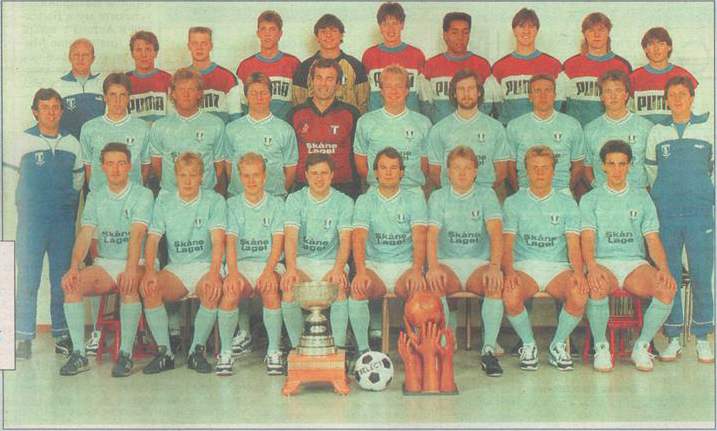 Malmö FF lost after wonderful season. Was it fair? After all, they won the regular season with great lead, lost only twice, scored a lot… may be they should have been more parsimonious with their play, saving strength for the decisive phase. So unfortunate loss.
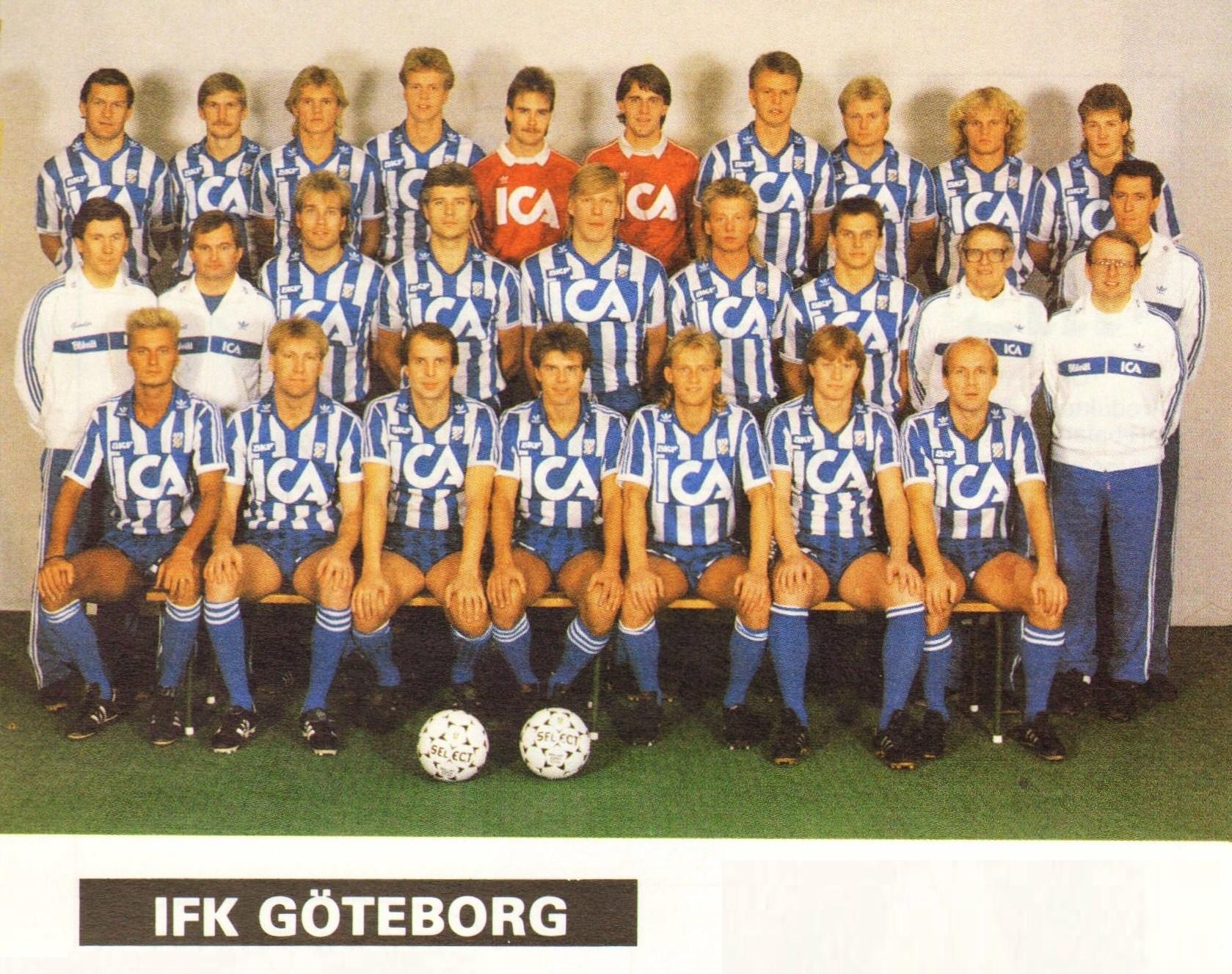 May be a bit lucky, but let face it – on one hand, IFK Goteborg had too many things to handle – European campaign plus domestic season. Bigger clubs have difficulties playing strong football on many fronts at the same time. May be IFK did not give their best during the regular season, but they saved some strength, came in top from when mattered most – the rules allowed it: allowed to finish lower in the first phase and still win the title; allowed to be tied with an opponent and still be the winner. Away goal was the key to their 11th title.
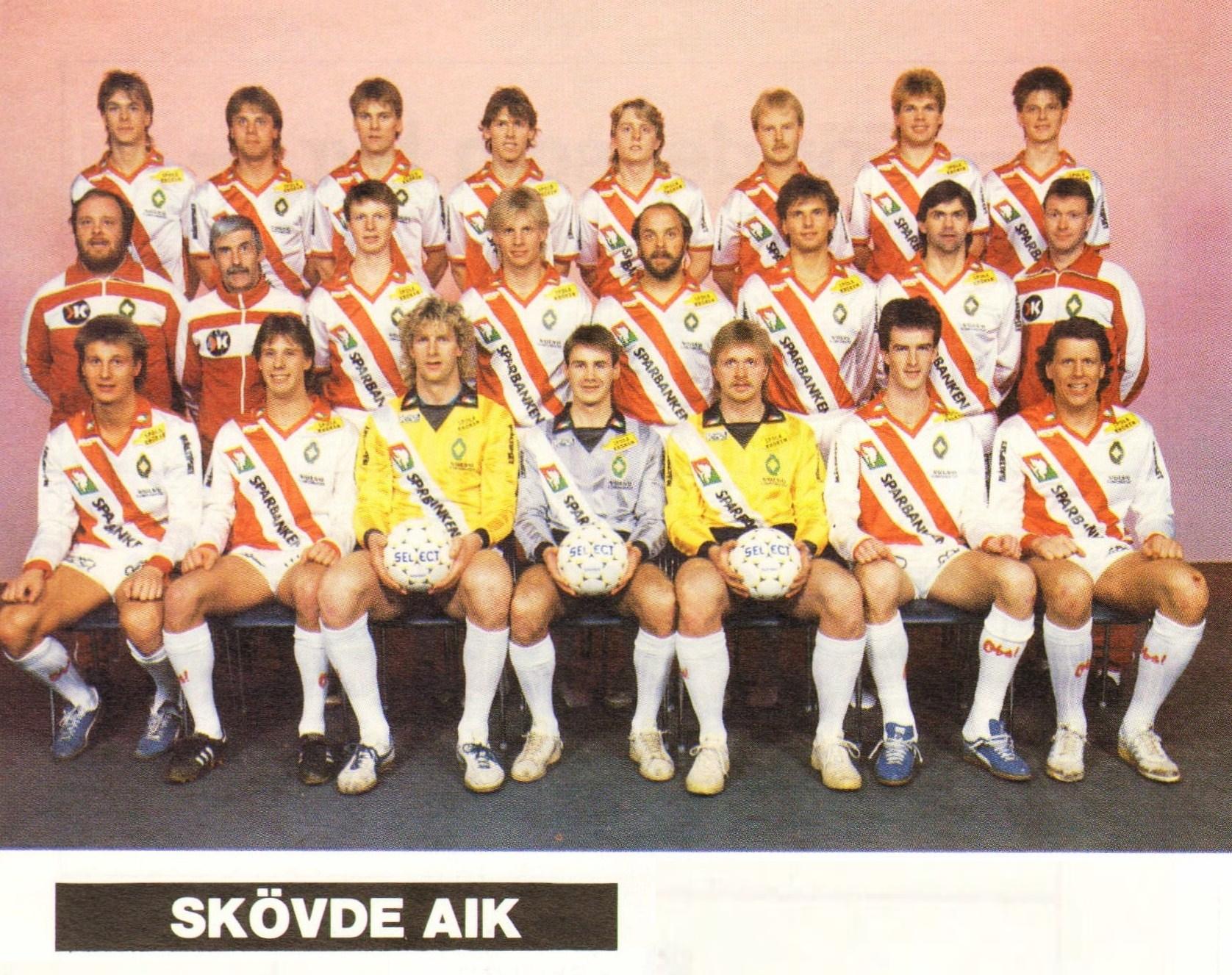 Skövde AIK – last and relegated with 17 points.
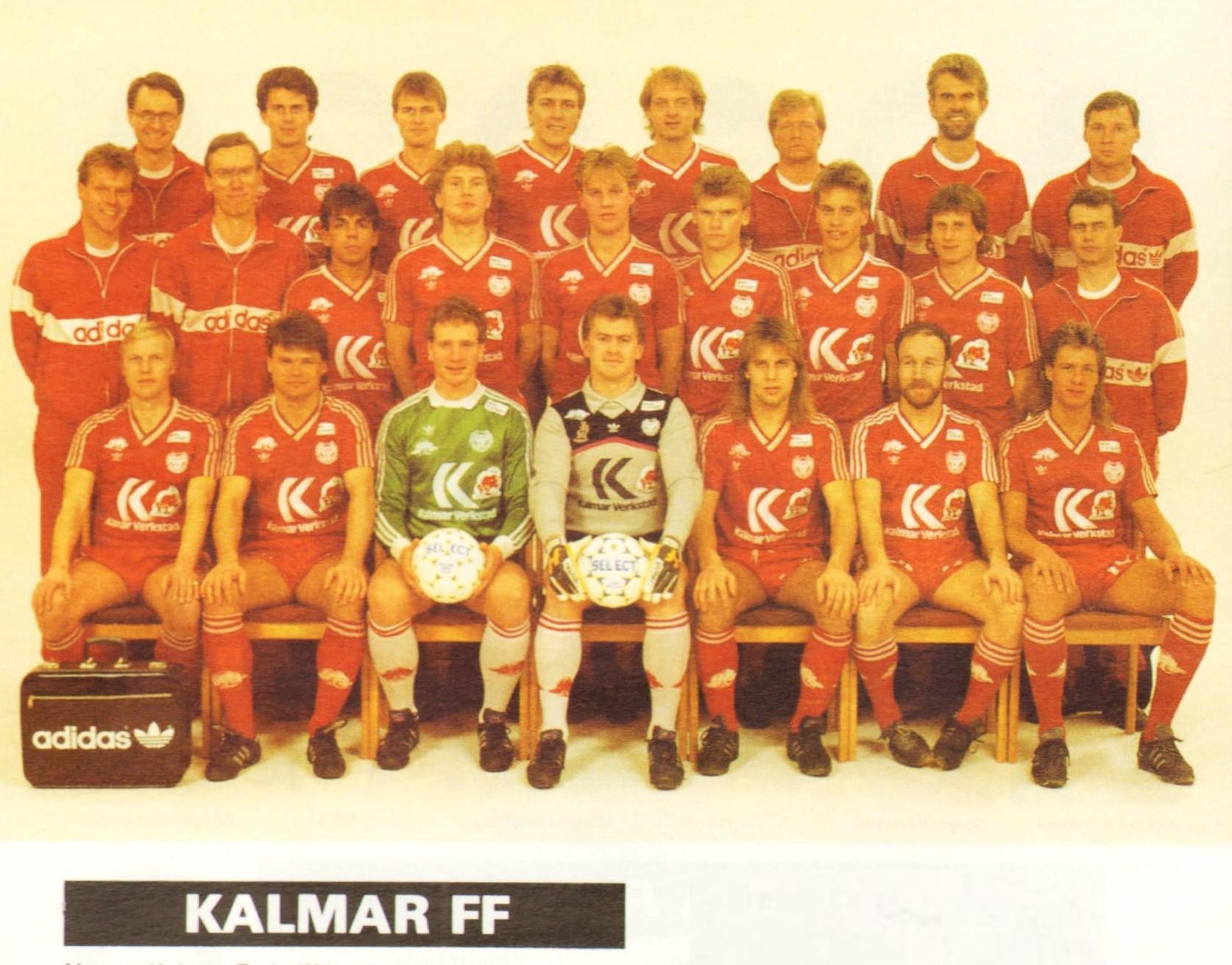 Kalmar FF – 13th and relegated with 21 points. However, part of the curious and rare Cup final – this season was also one of their most successful.
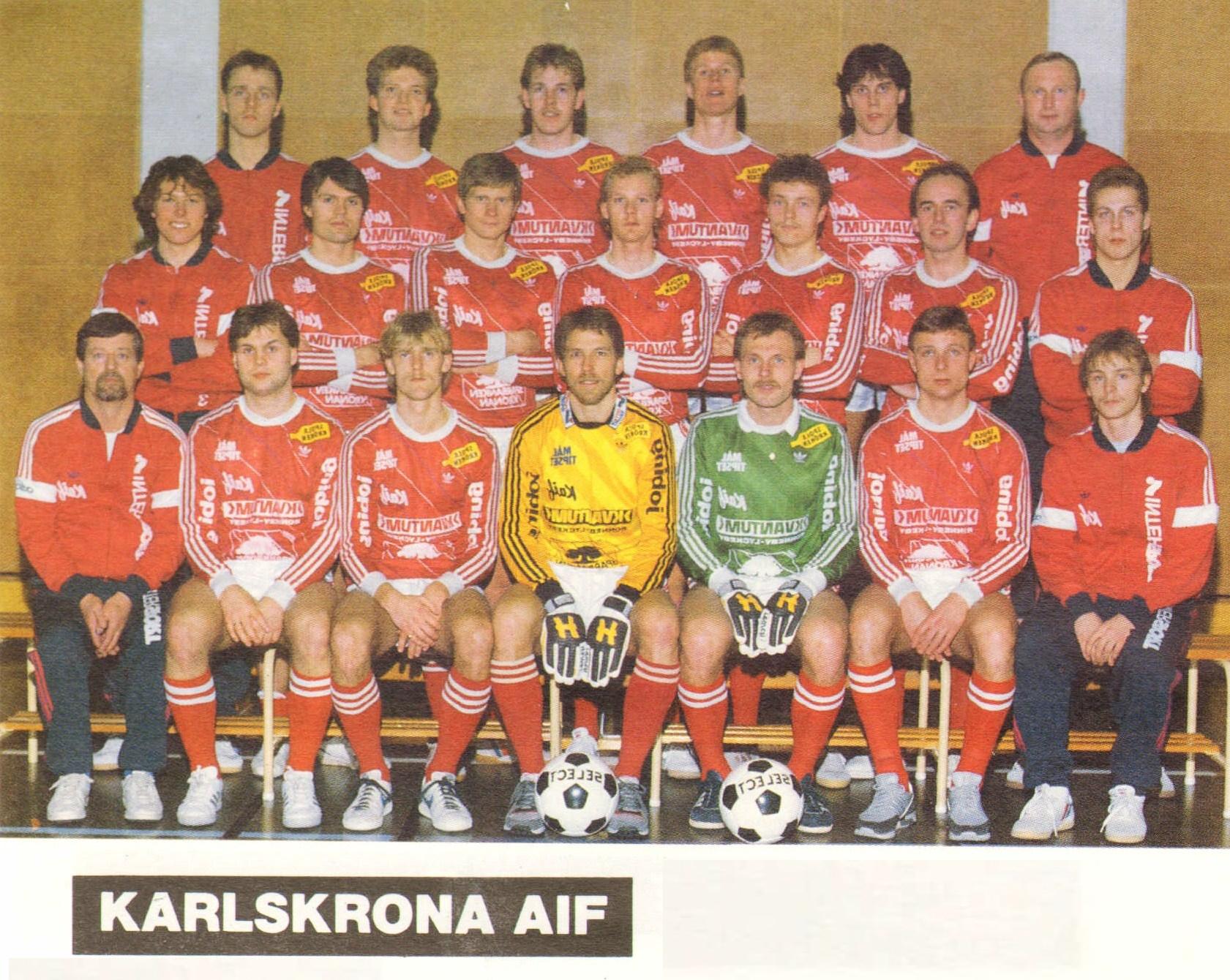 Karlskrona AIF – 12th with 22 points.
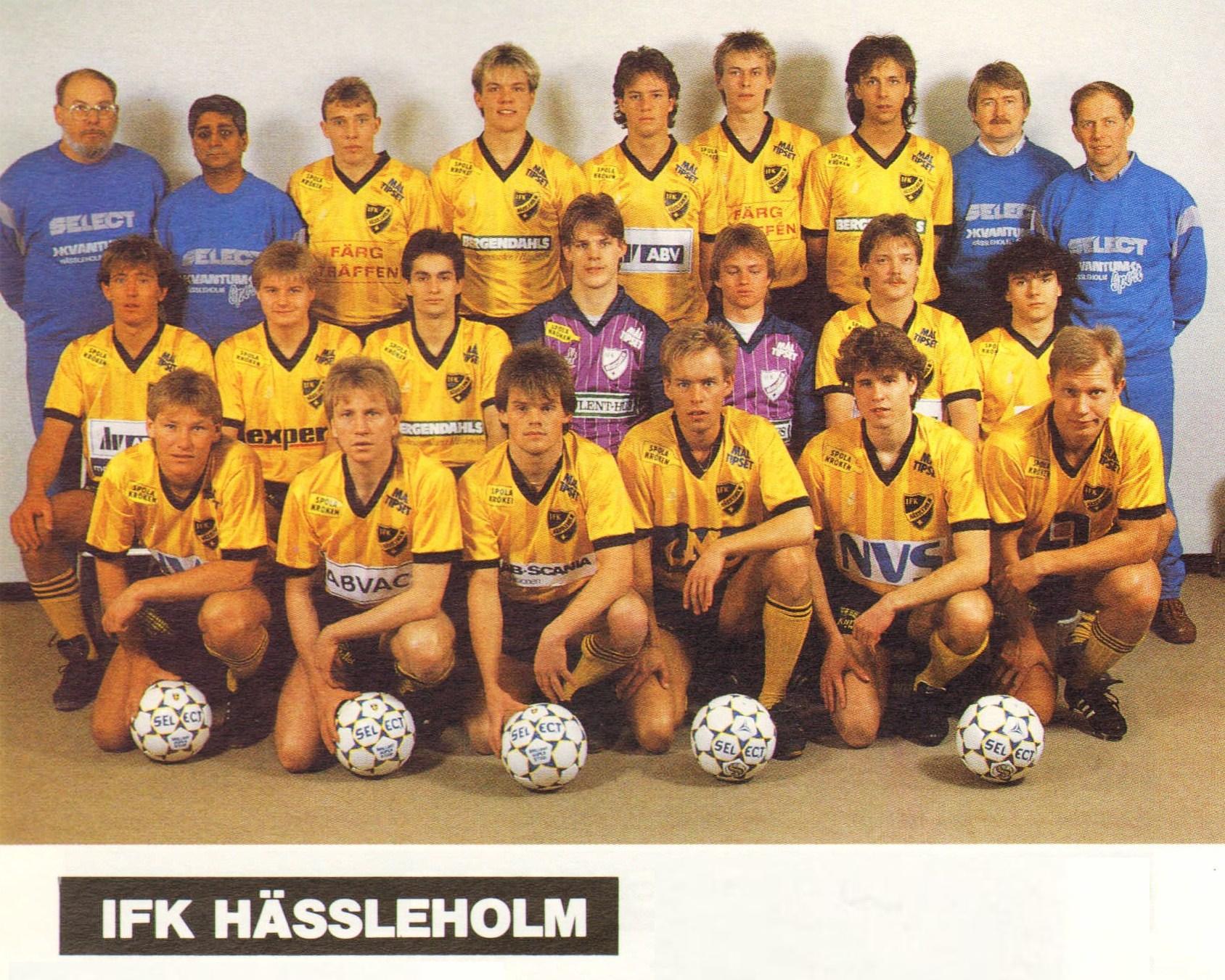 IFK Hässleholm – 11th with 22 points.
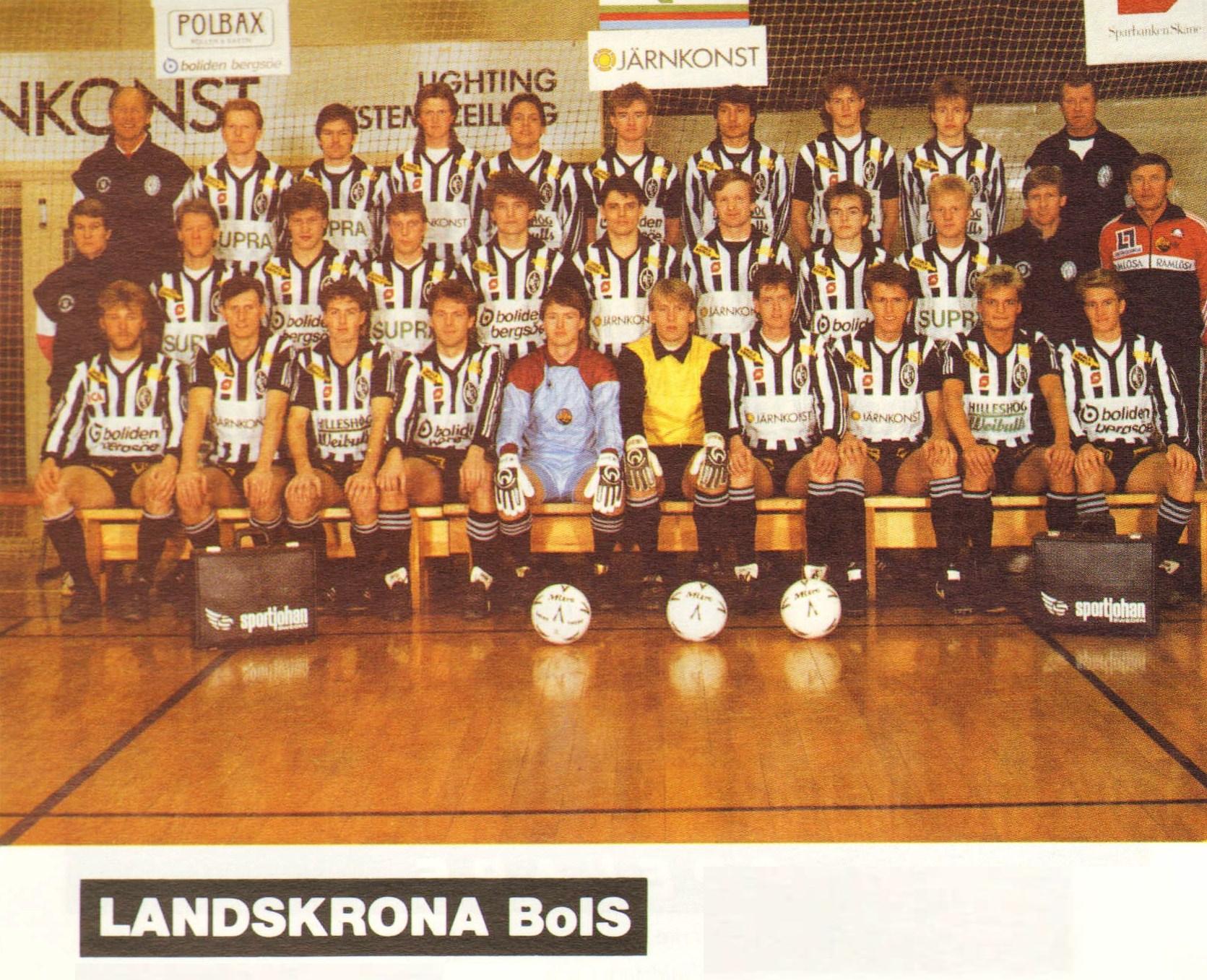 Landskrona BoIS – 10th with 24 points.
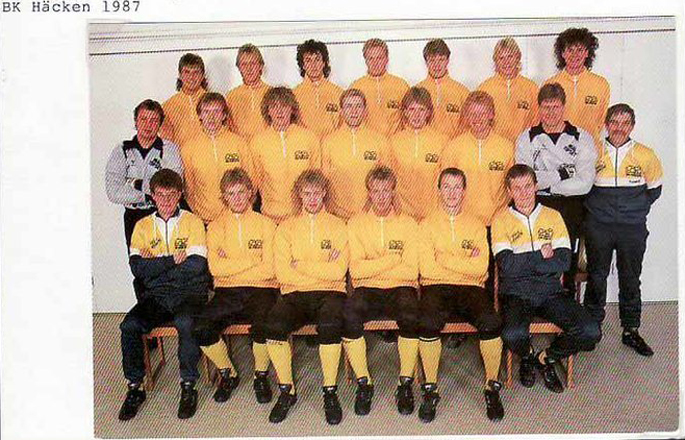 BK Häcken (Göteborg) – 9th with 25 points.
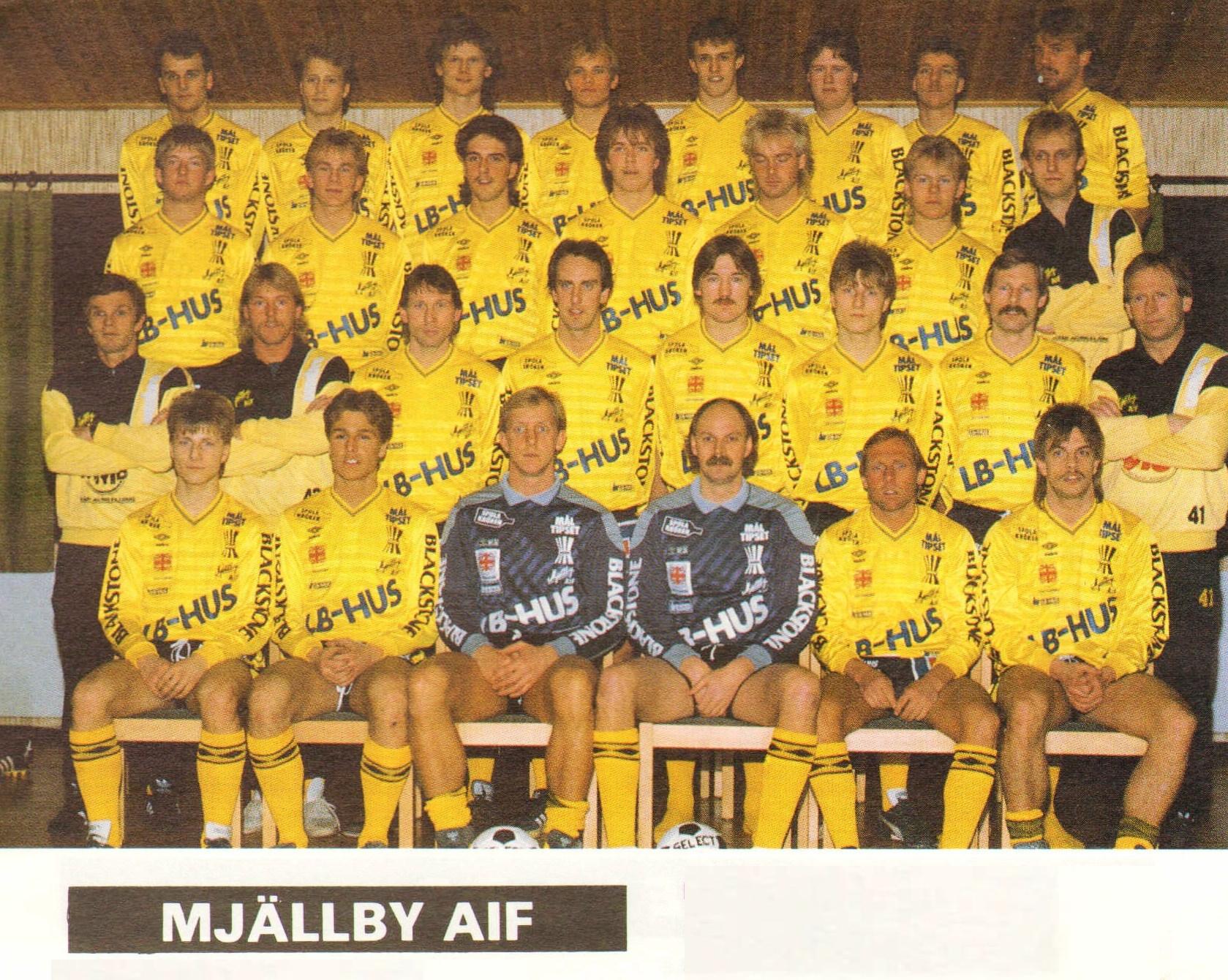 Mjällby AIF – 8th with 25 points.
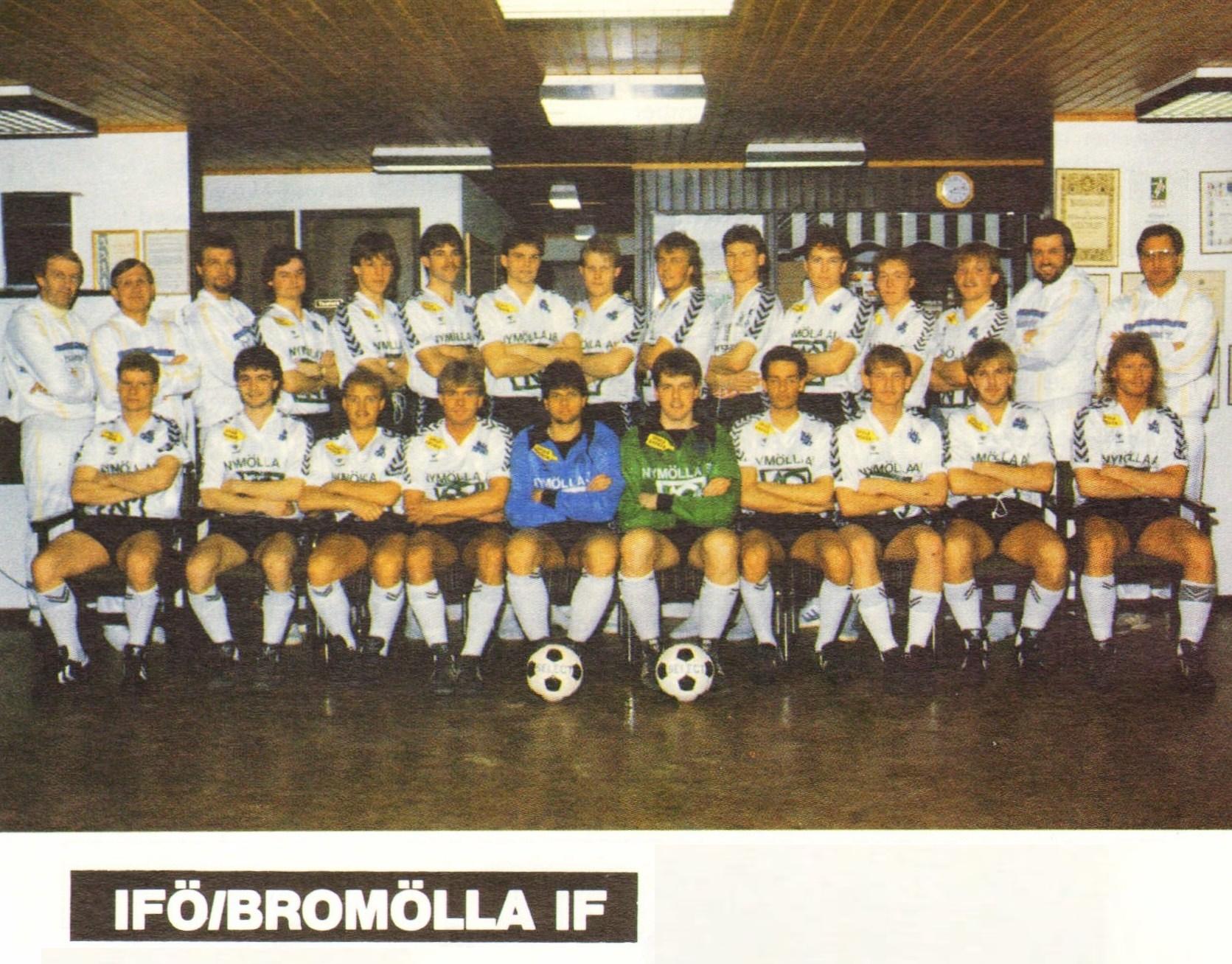 Ifö/Bromölla IF – 7th with 25 points.
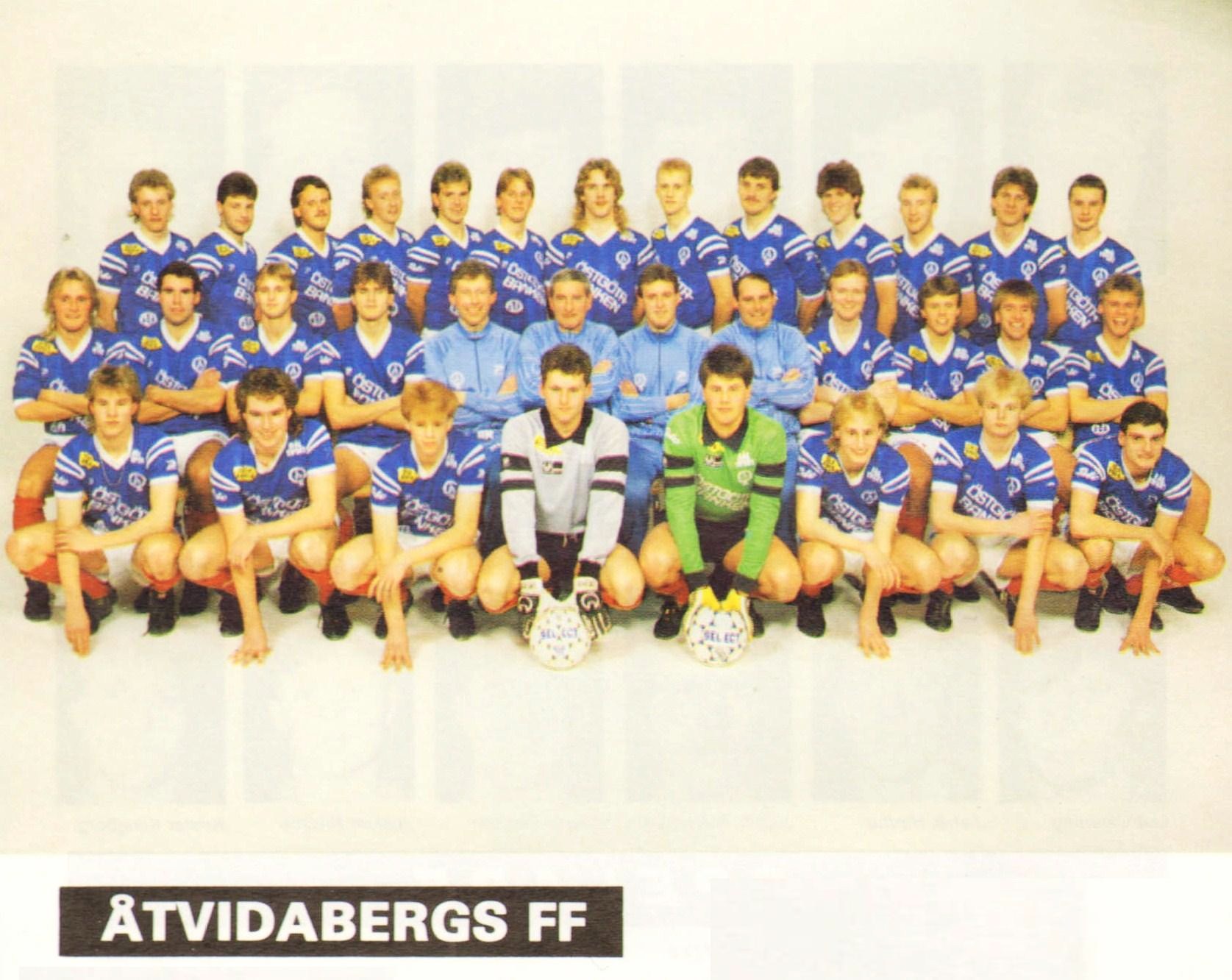 Åtvidabergs FF – 6th with 25 points.
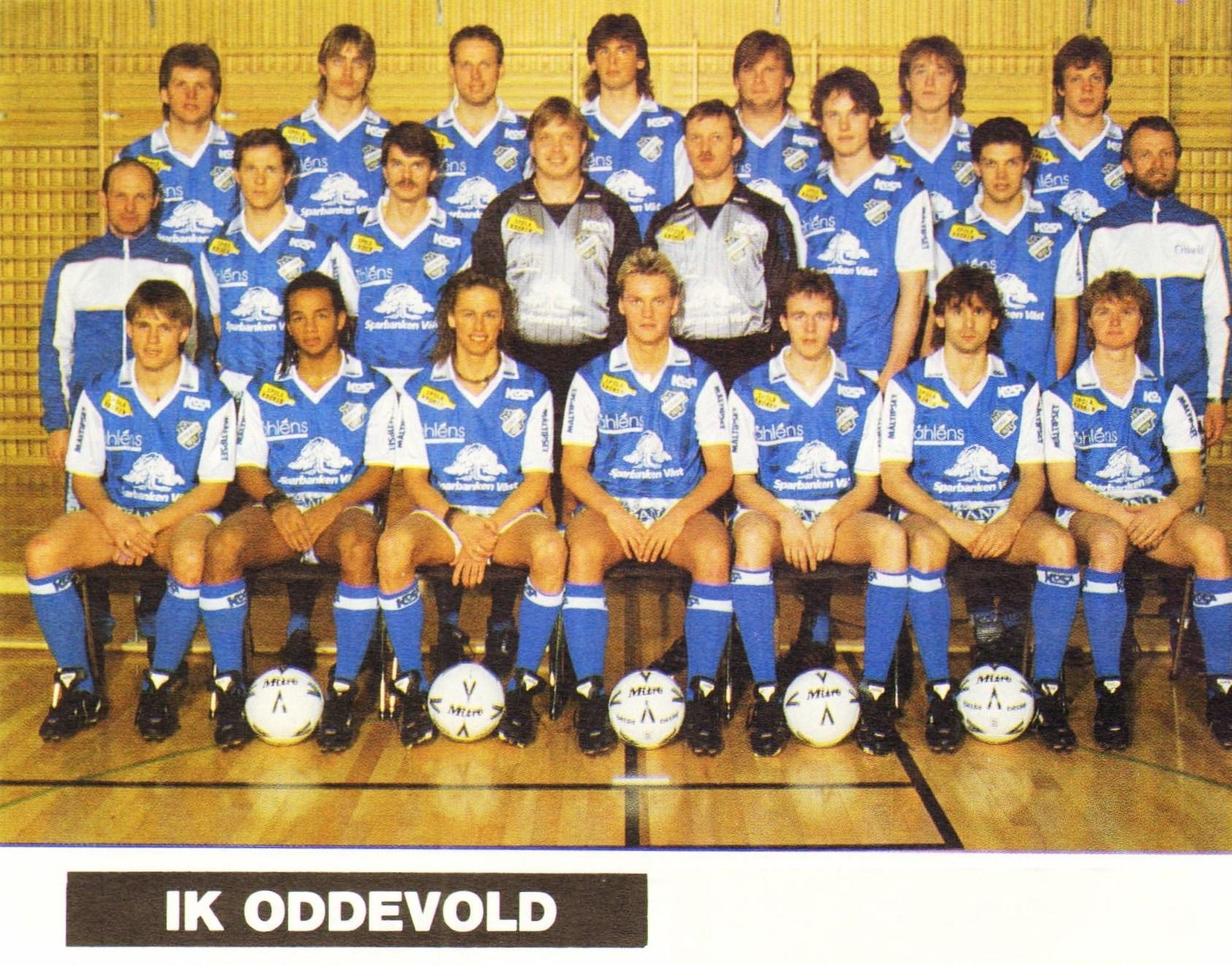 IK Oddevold – 5th with 26 points.
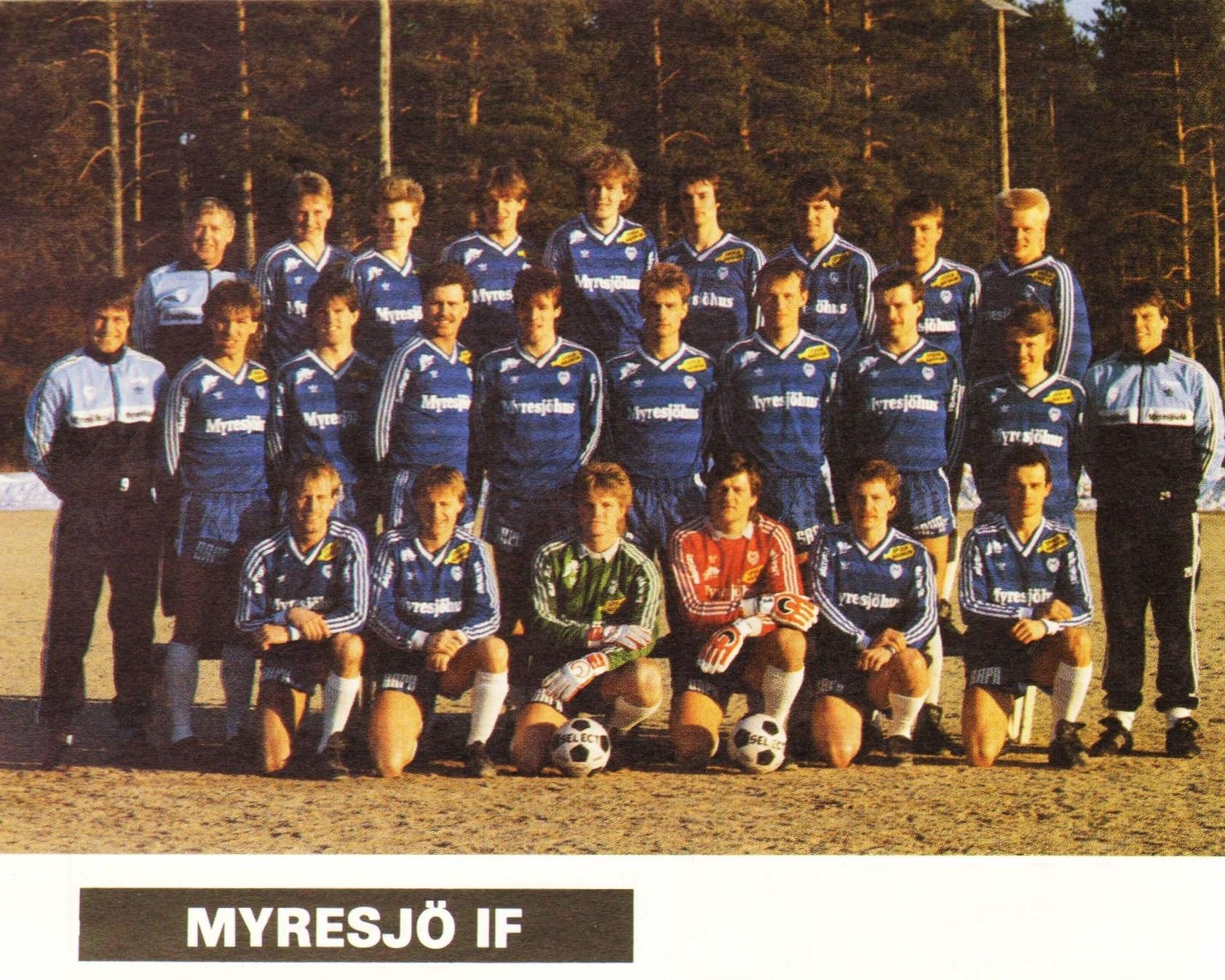 Myresjö IF – 4th with 28 points.
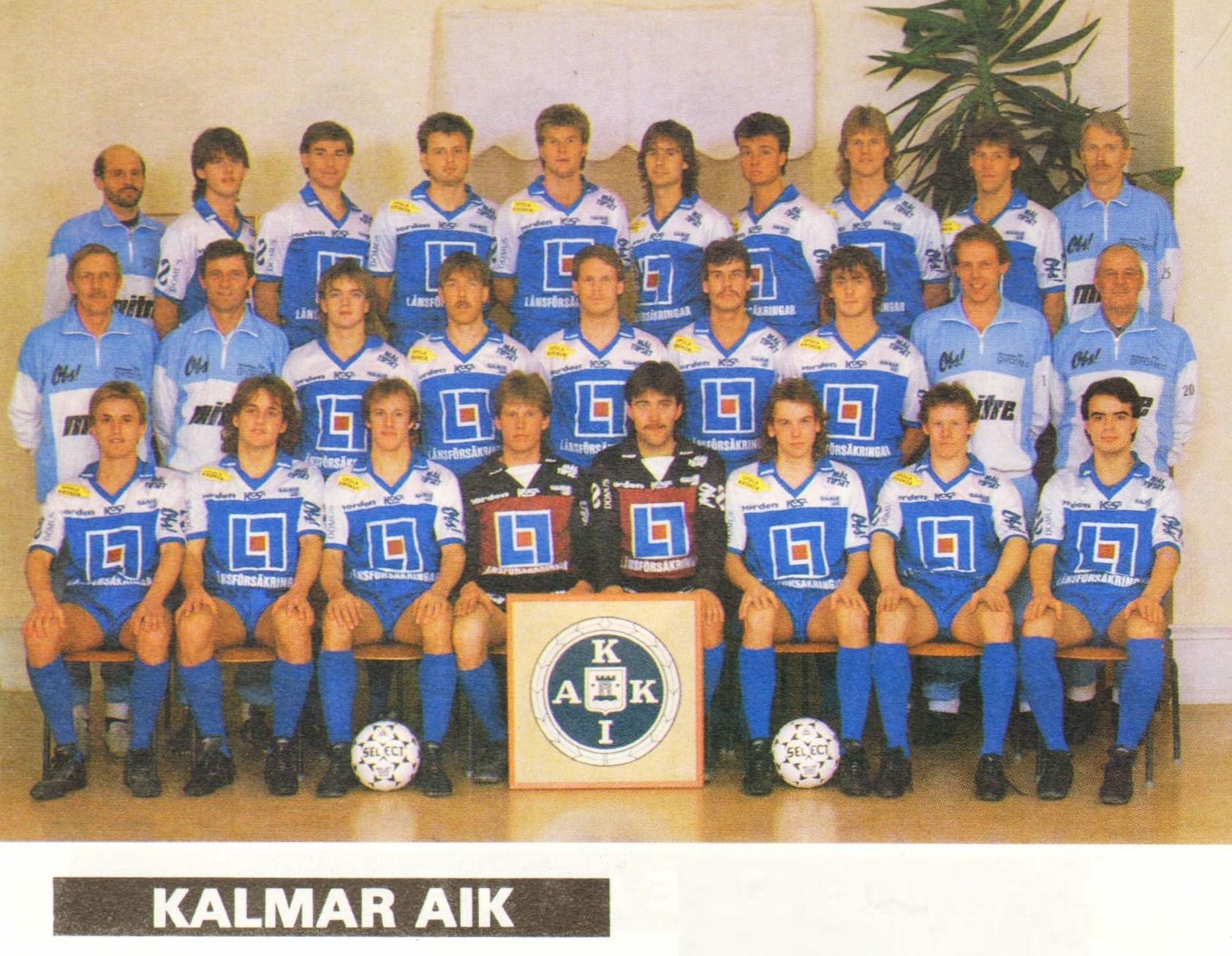 Kalmar AIK – 3rd with 33 points. One could be sorry they failed to win the championship – would have been complete fun and amusement in view of the strange season their city rivals had.
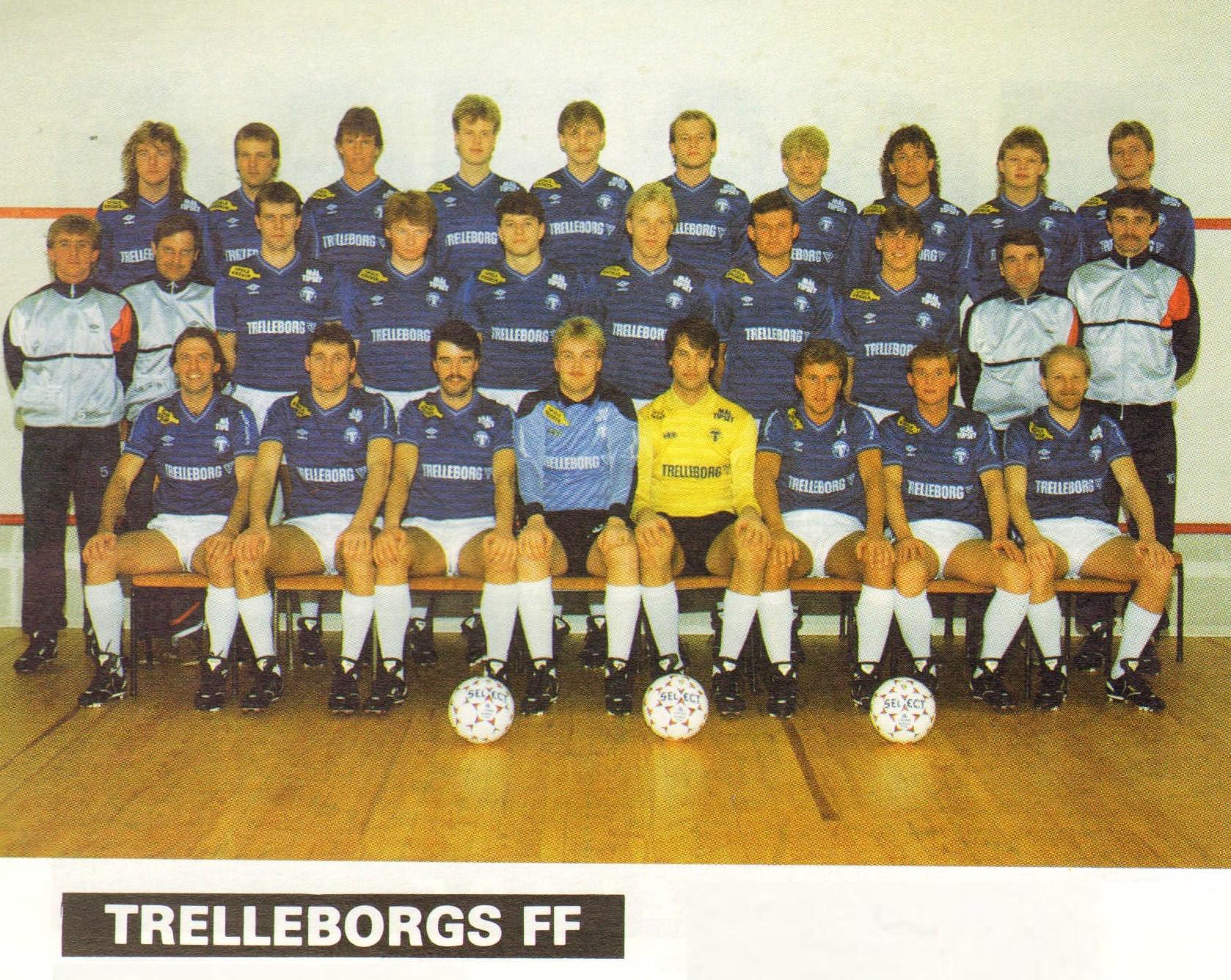 Trelleborgs FF – 2nd with 36 points.
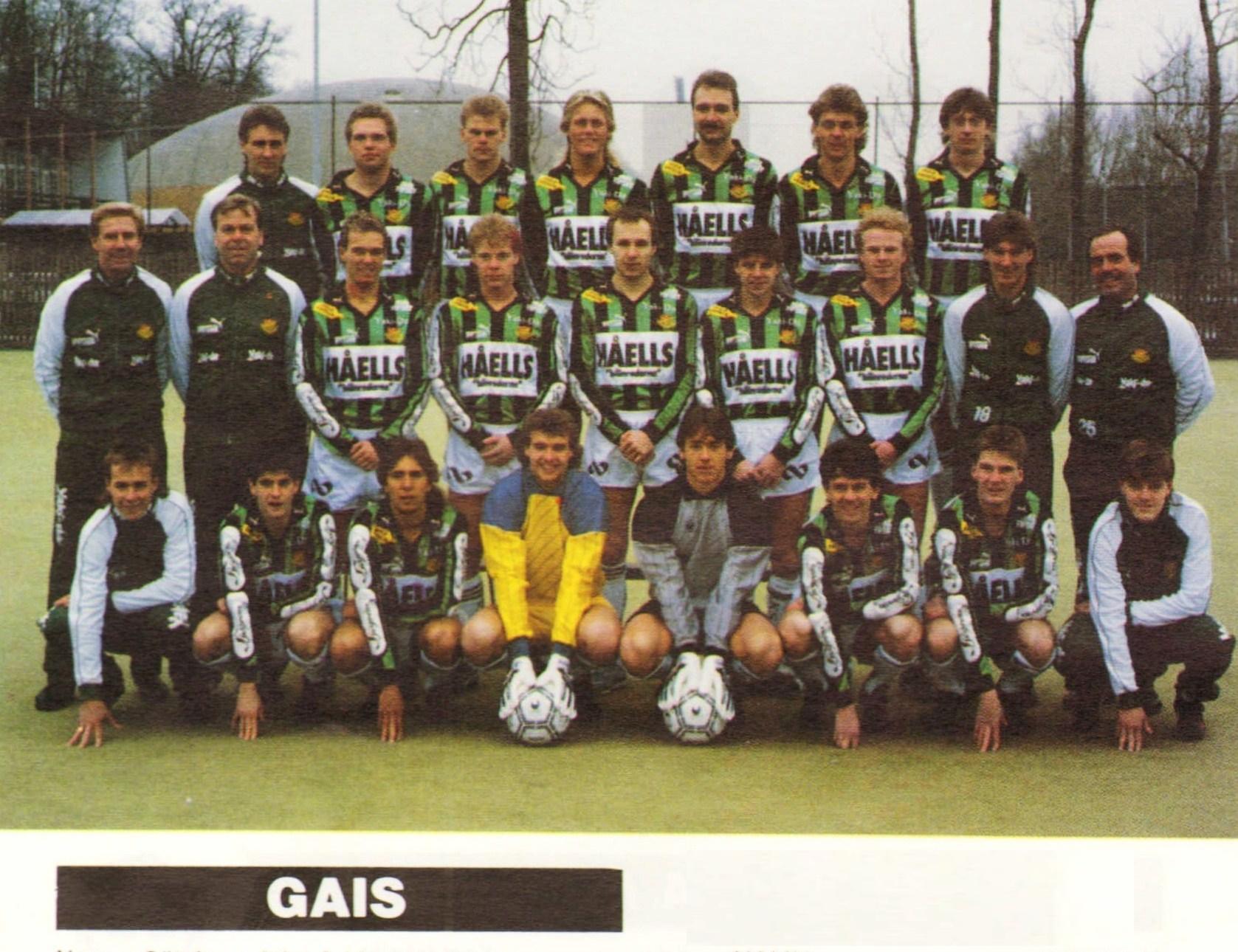 GAIS (Göteborg) – won the championship with 37 points from 15 wins, 7 ties, 4 losses and 47-16 goal-difference. Well done – like the winners of the other group, they were returning to top flight.
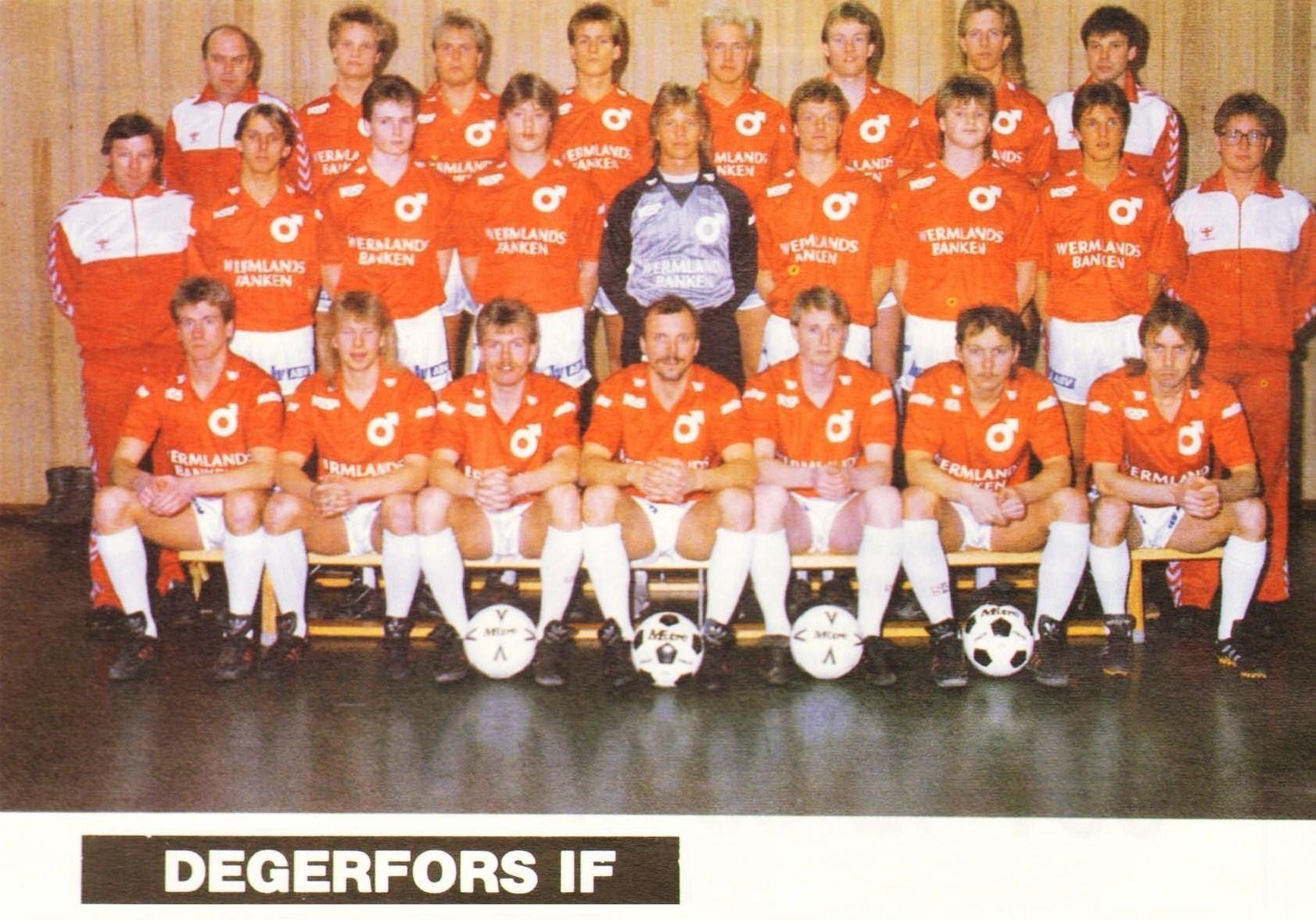 Degerfors IF – last with 9 points and relegated to third level.
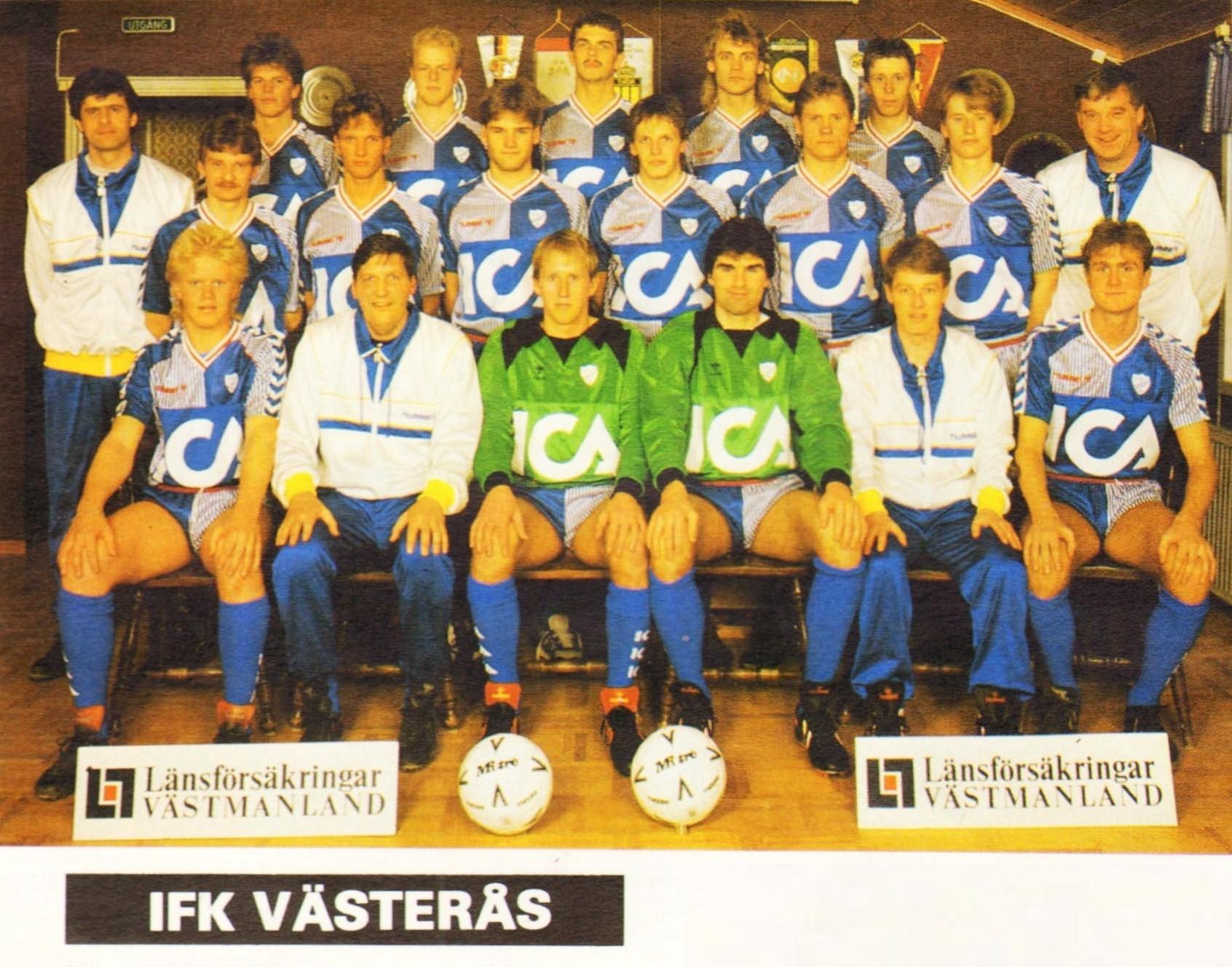 IFK Västerås – 13th with 17 points and relegated.
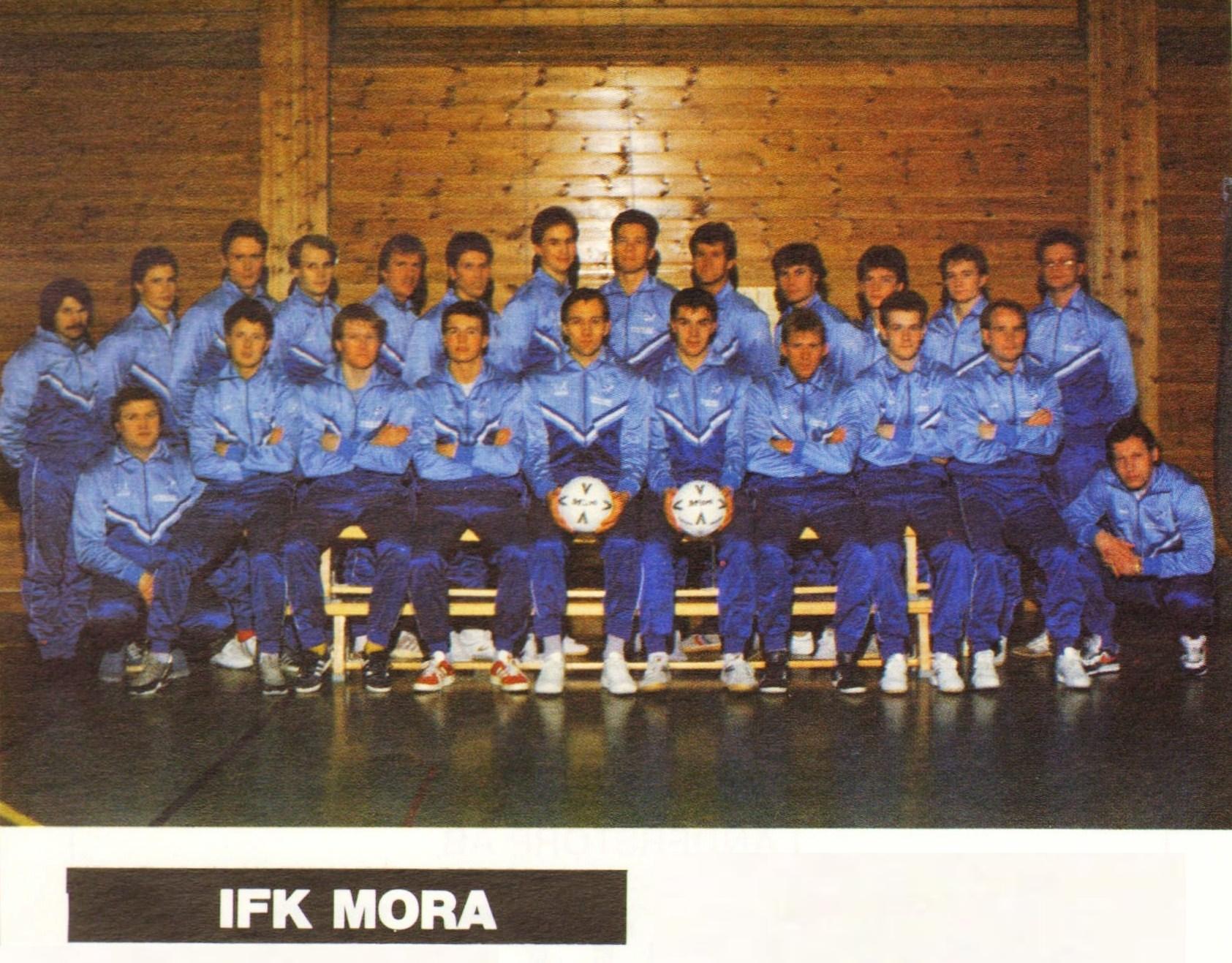 IFK Mora – 12th with 20 points.
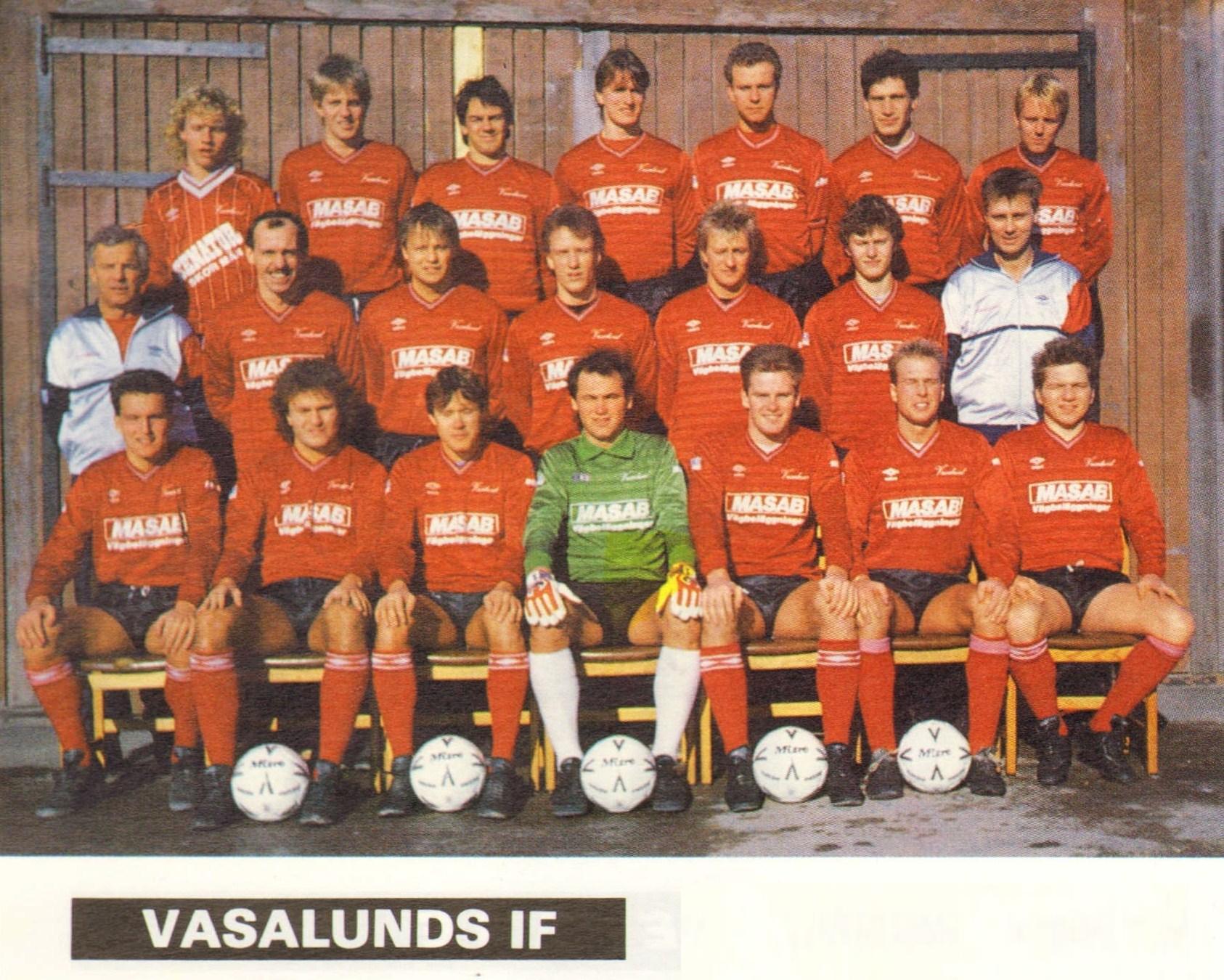 Vasalunds IF – 11th with 20 points.
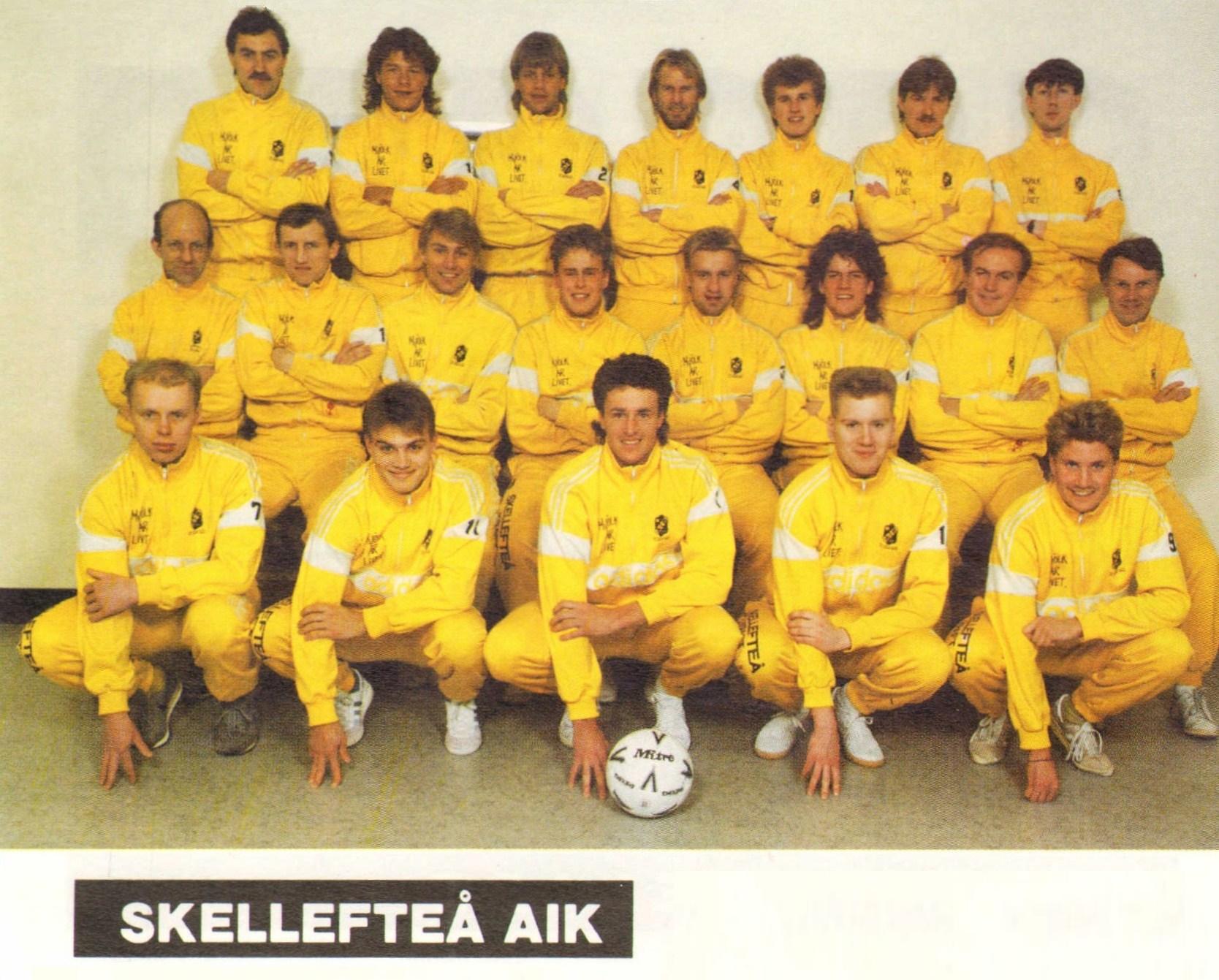 Skellefteå AIK – 10th with 24 points.
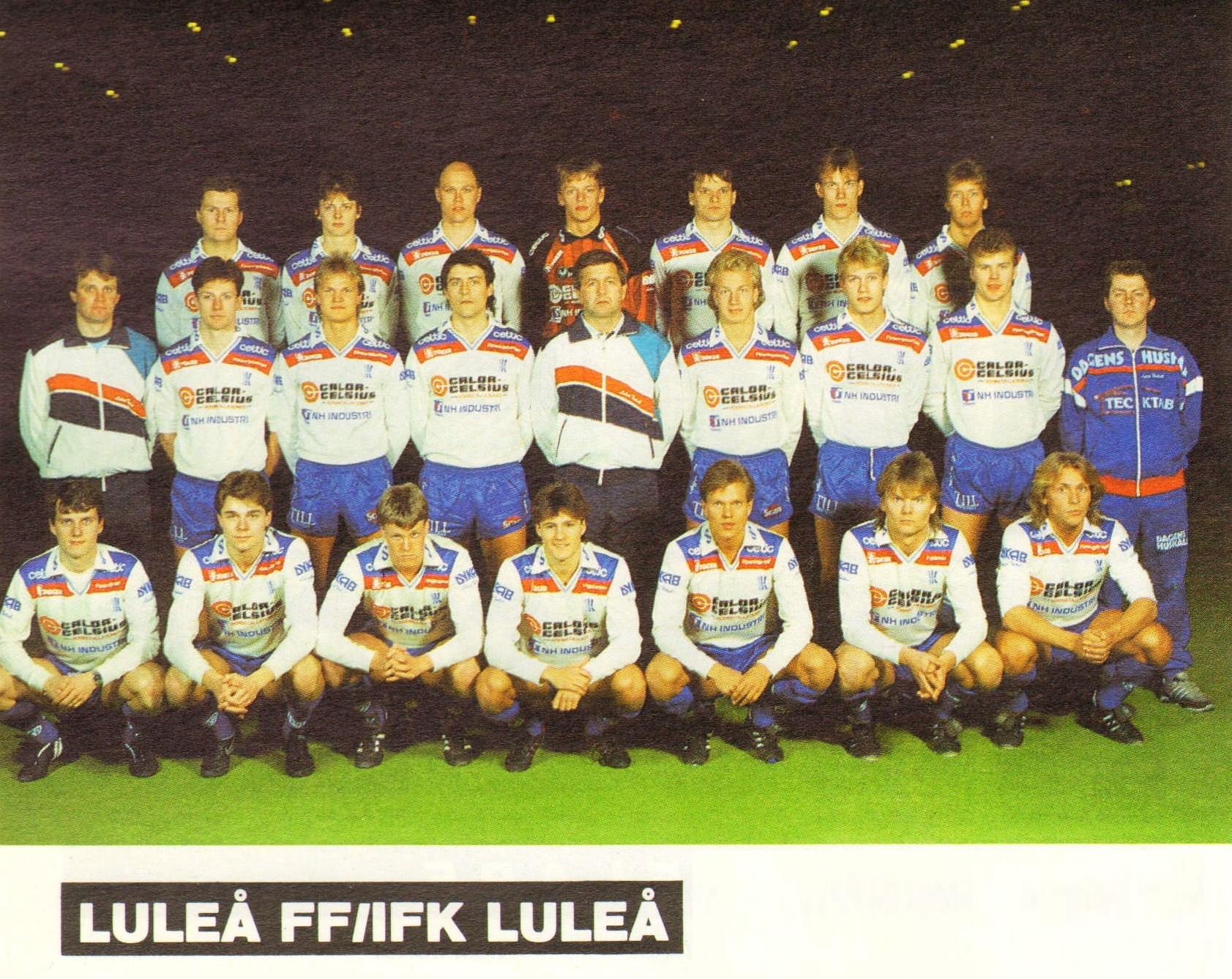 Luleå FF/IFK Luleå – 9th with 25 points.
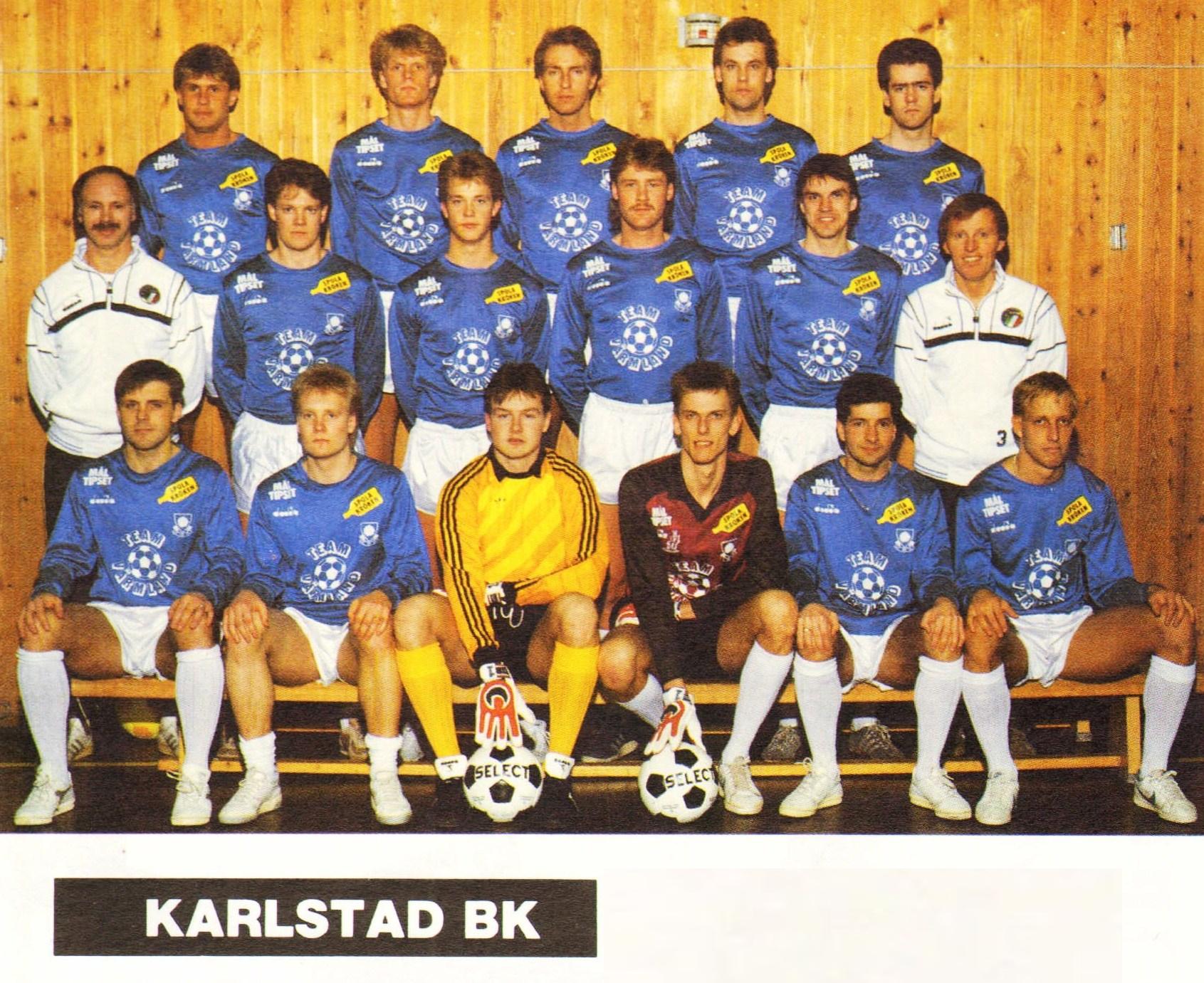 Karlstads BK – 8th with 25 points.
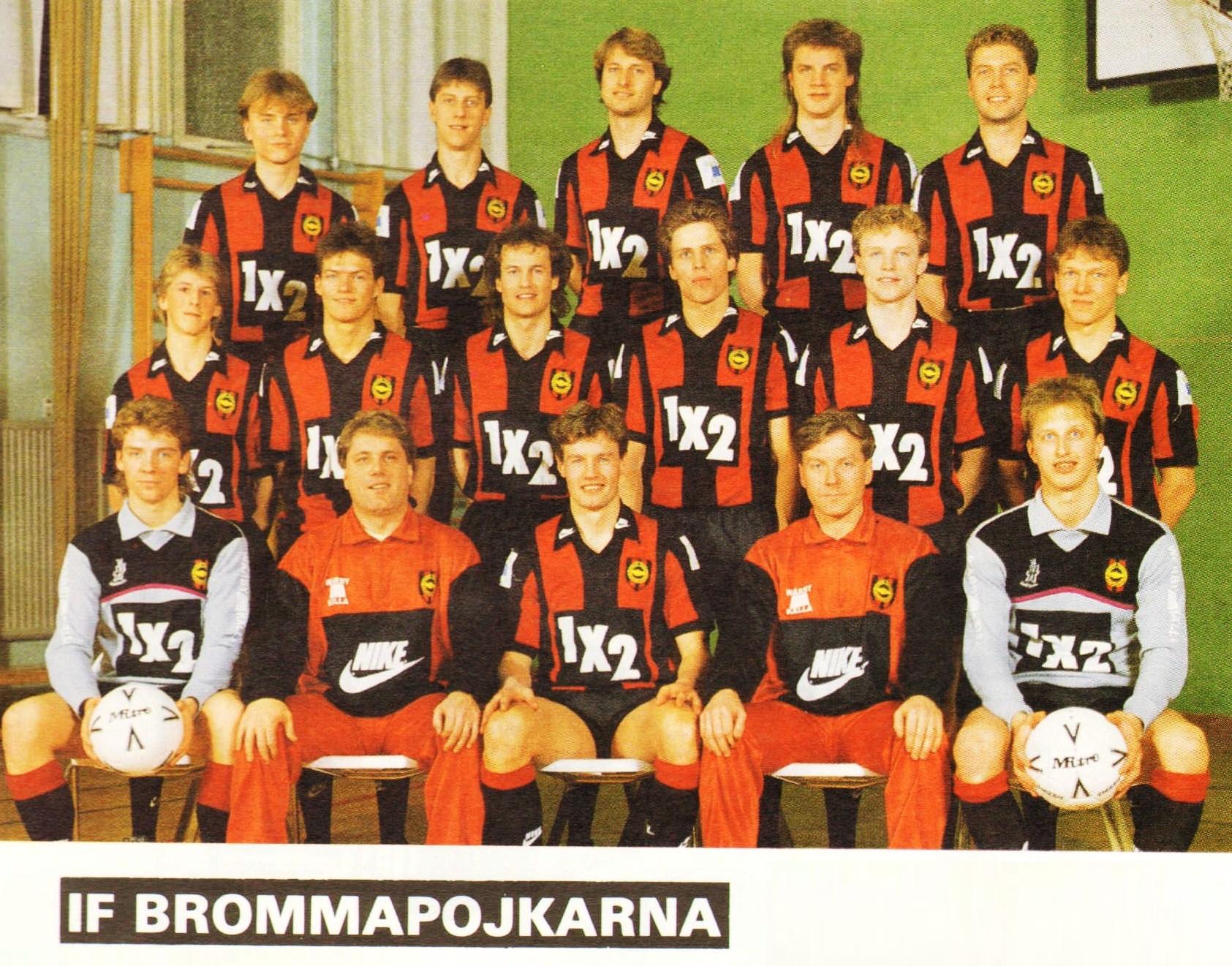 IF Brommapojkarna – 7th with 25 points.
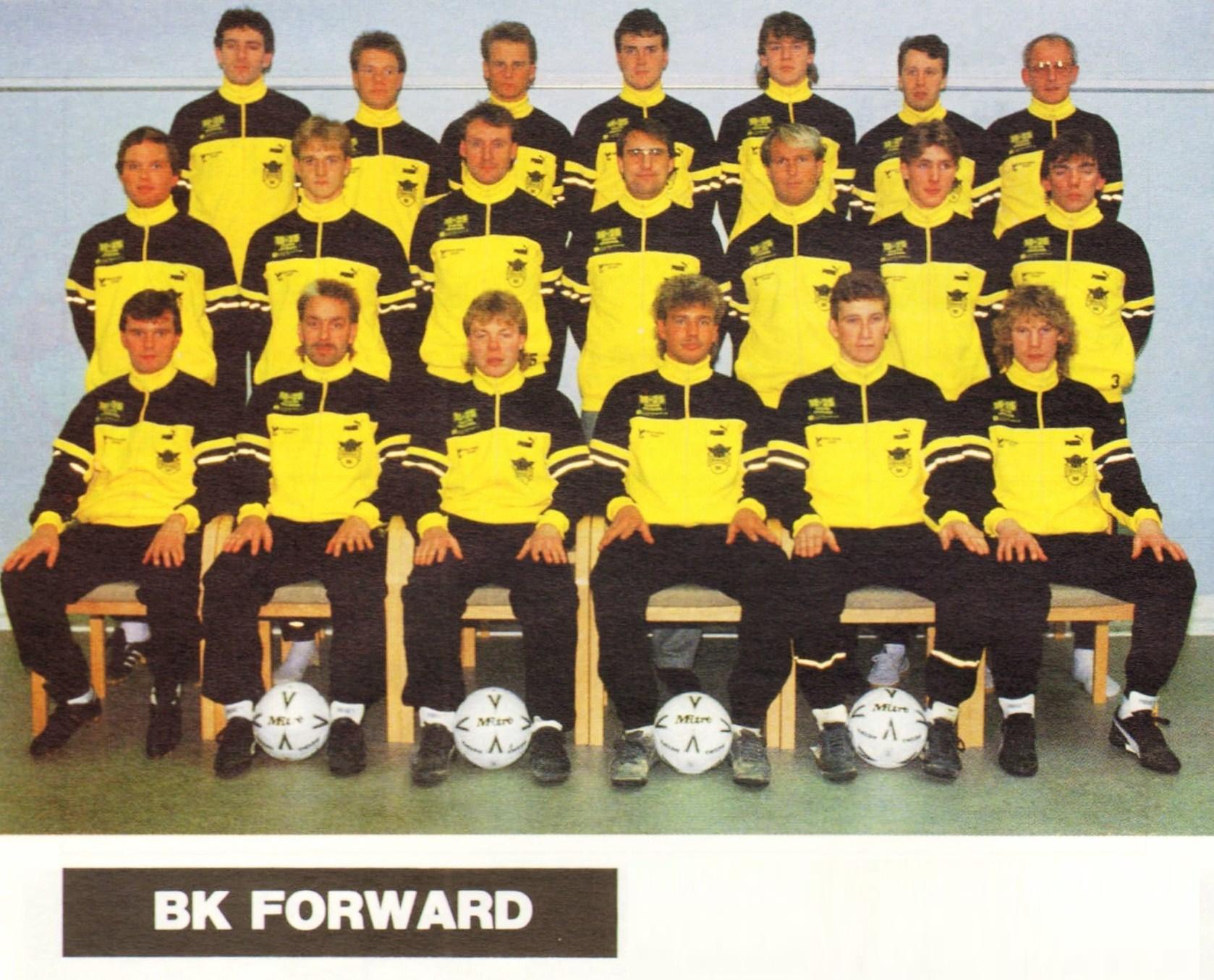 BK Forward (Örebro) – 6th with 30 points.
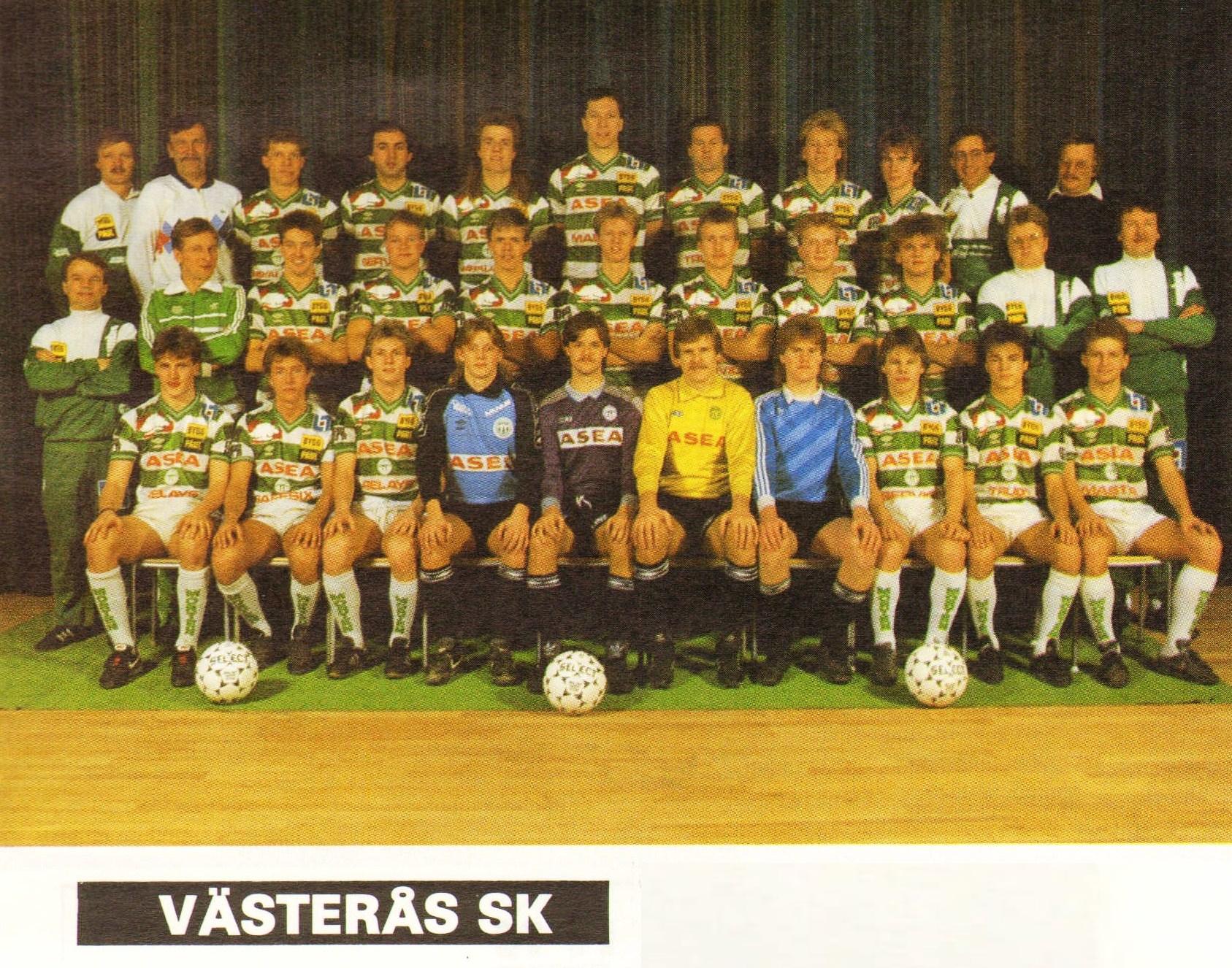 Västerås SK – 5th with 30 points.
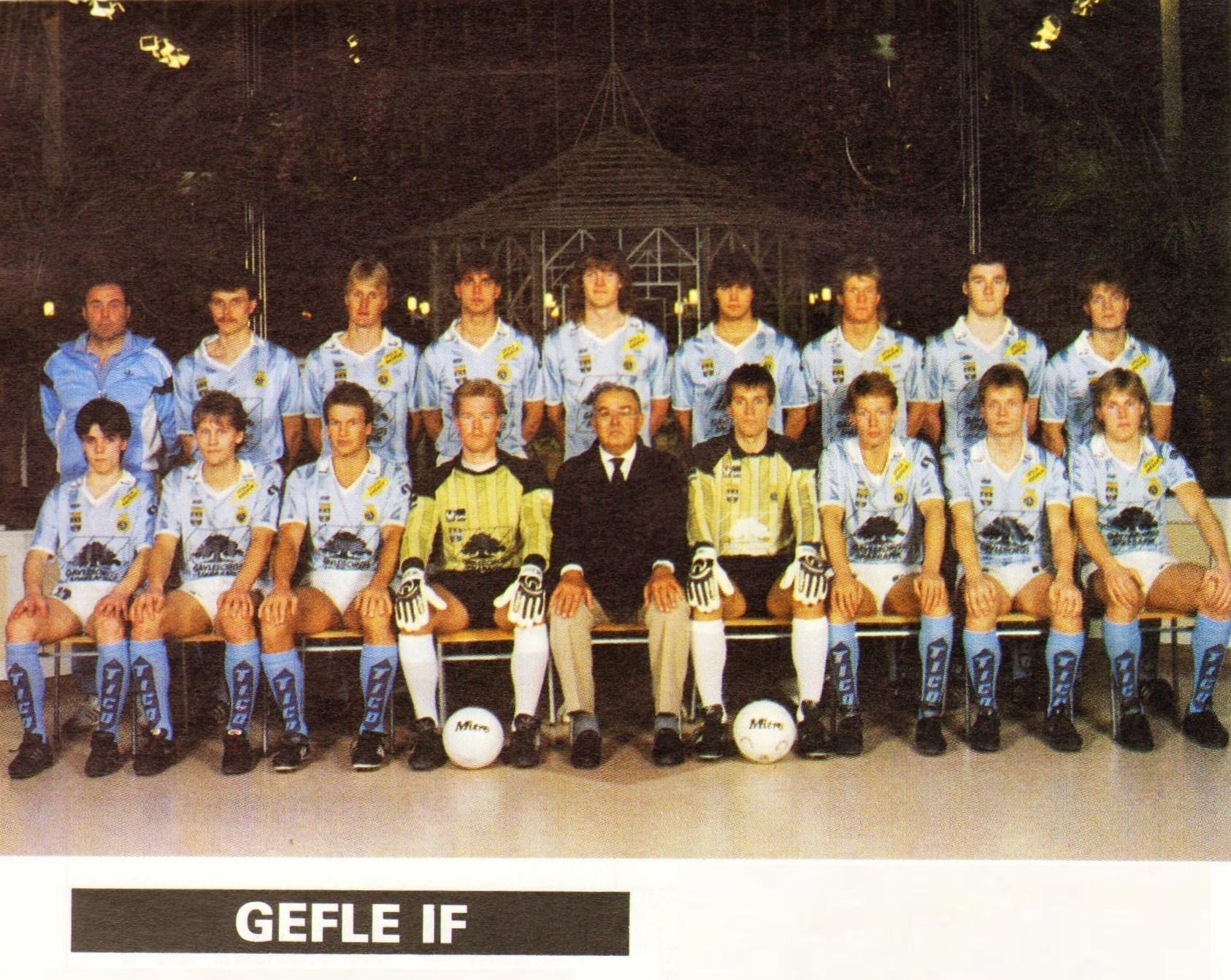 Gefle IF – 4th with 33 points.
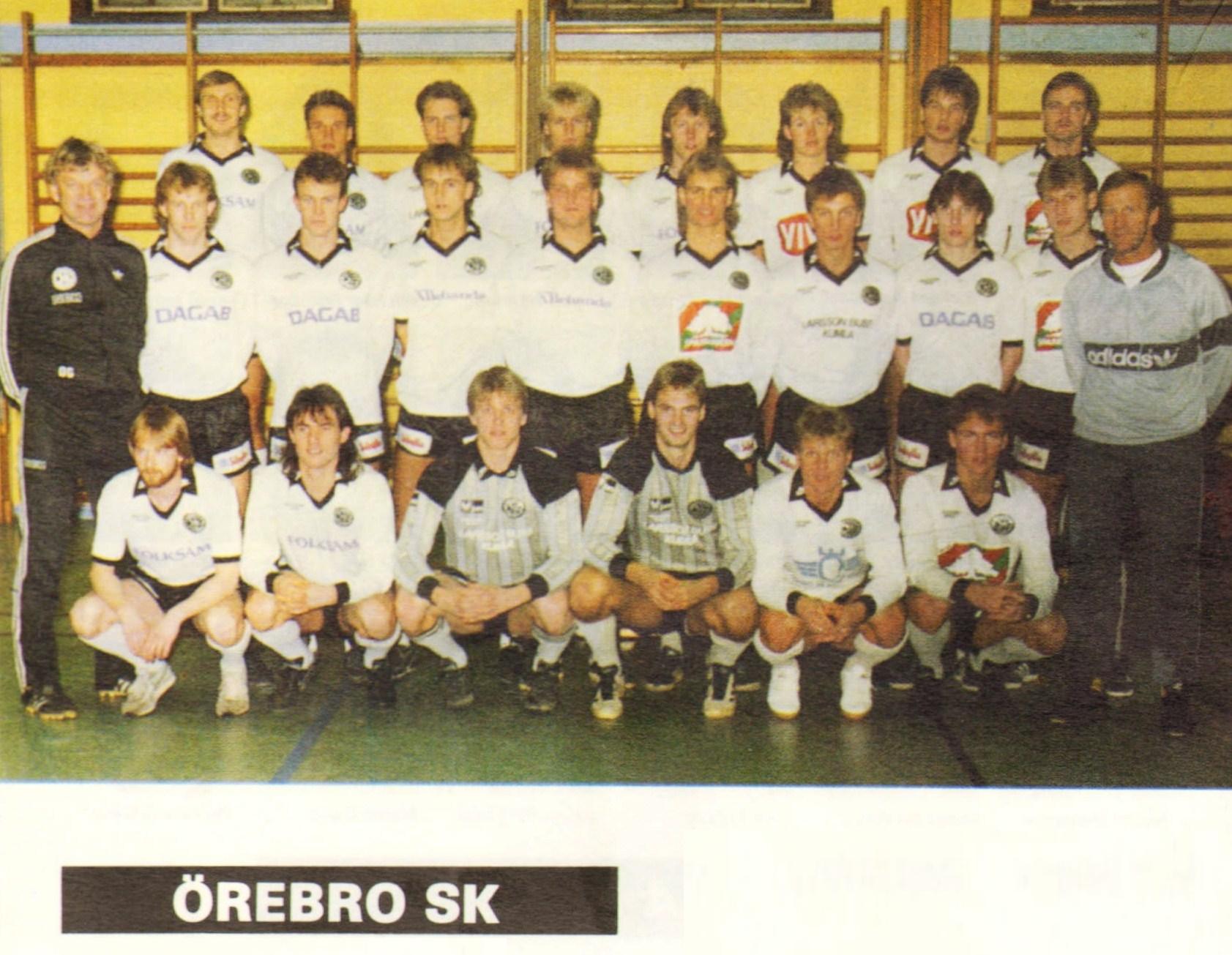 Örebro SK – 3rd with 33 points.
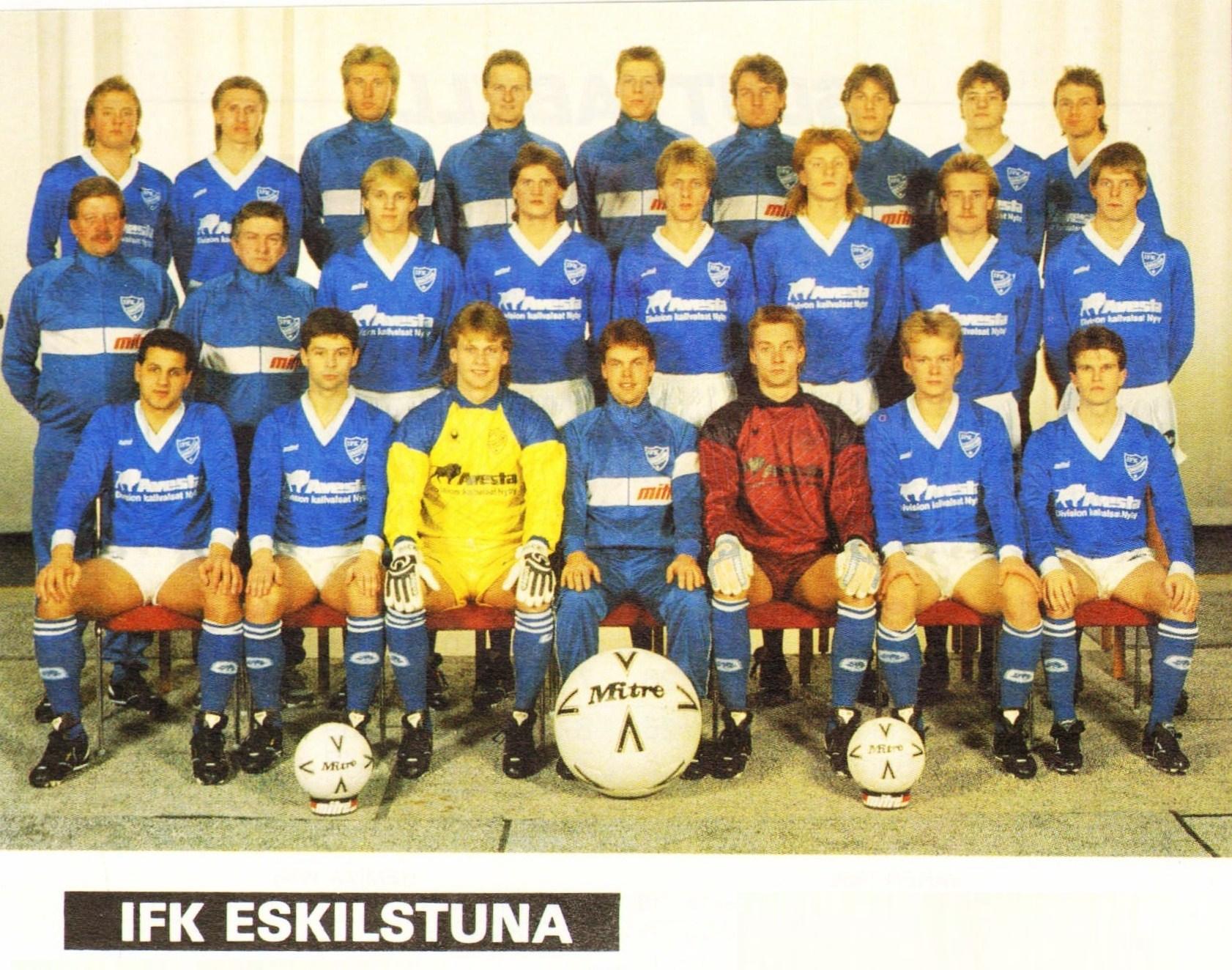 IFK Eskilstuna – 2nd with 35 points.
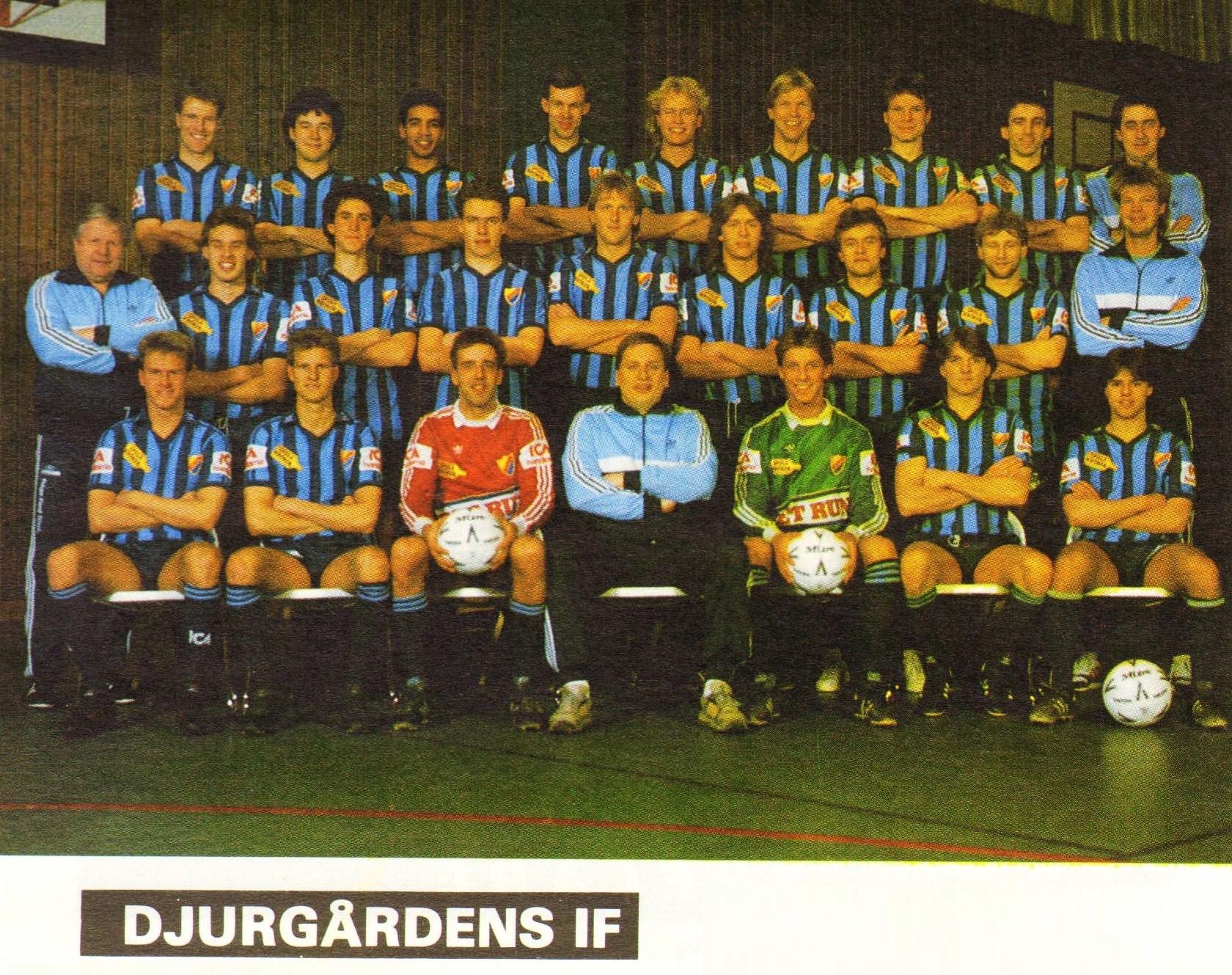 Djurgårdens IF (Stockholm) – group winner with 38 points from 16 wins, 6 ties, 4 losses, 60-26 goal-difference. Promoted back to First Division. Well done.
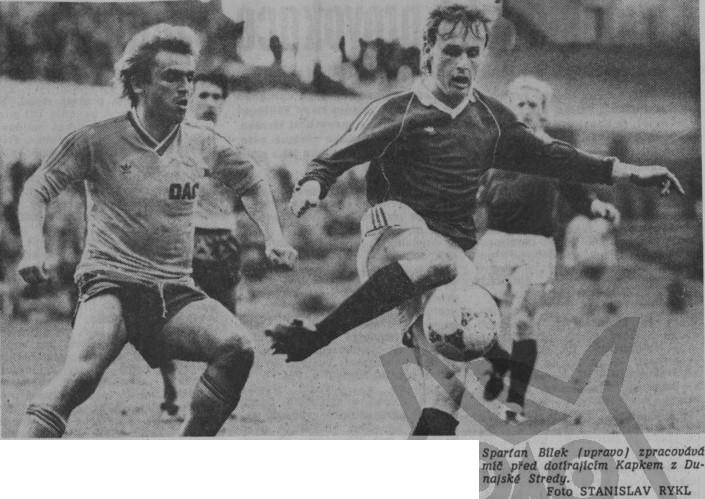 They fought fiercely their more famous opponents,
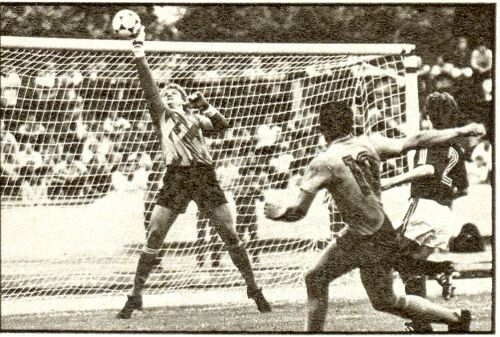 even had scoring chances and the final ended 0-0 after extra time.
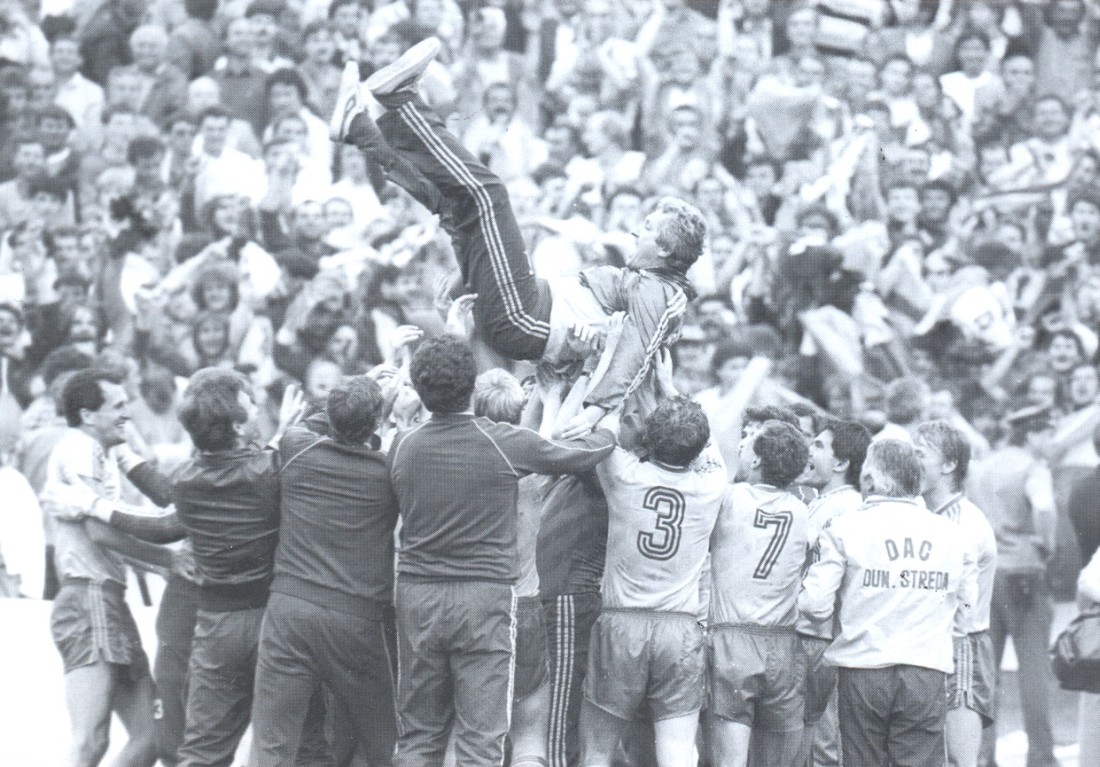 It was amazing victory – no wonder the team rushed to celebrate their coach Pecze.
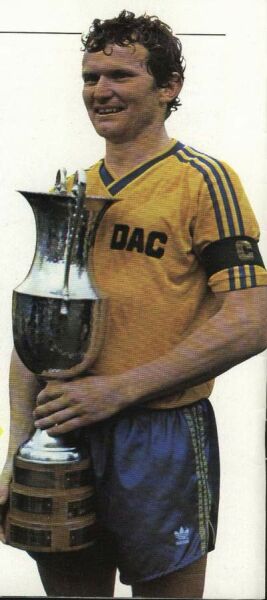 And their quite anonymous captain Kristof got the Cup.
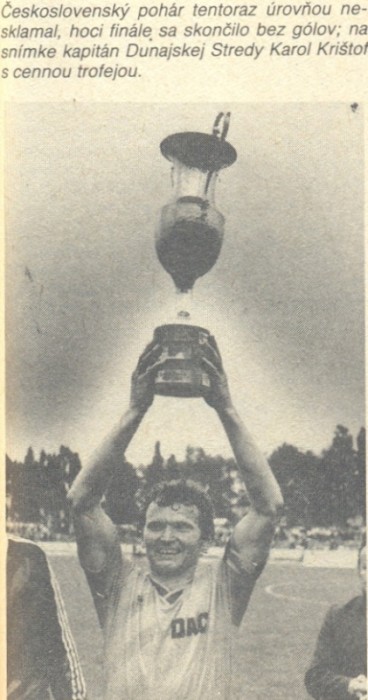 That was it – the moment for posterity.
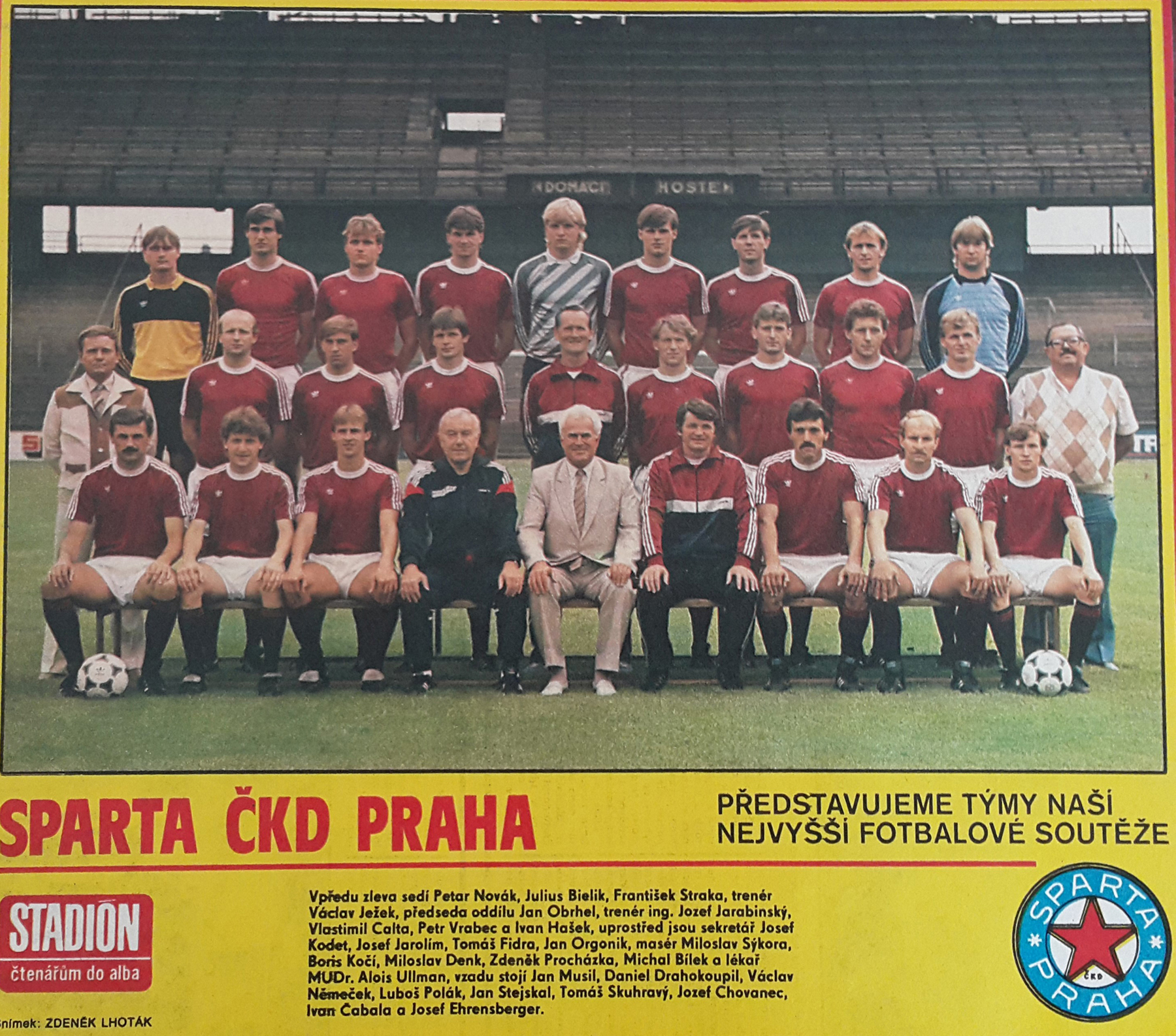 Sparta was unable to win a double – quite strange, even disappointing, given the squad they had coached by no other but Vaclav Jezek. Even their assistant-coach Jozef Jarabinsky was big name… and they lost. But they were still the strongest team in the country and going to stay on top, so after all – no bog deal they lost the Cup final – it was bad luck, to a point, and the championship was much more important.
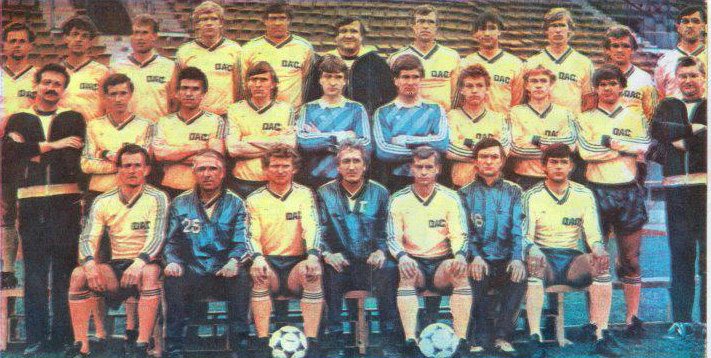 The winners. Sitting from left: Tibor Micinec, Dusan Abraham – assistant coach, Karol Kristof, Karol Pecze – coach, Juraj Majoros, Frantisek Urvaj – assistant coach, Gabriel Bertalan.
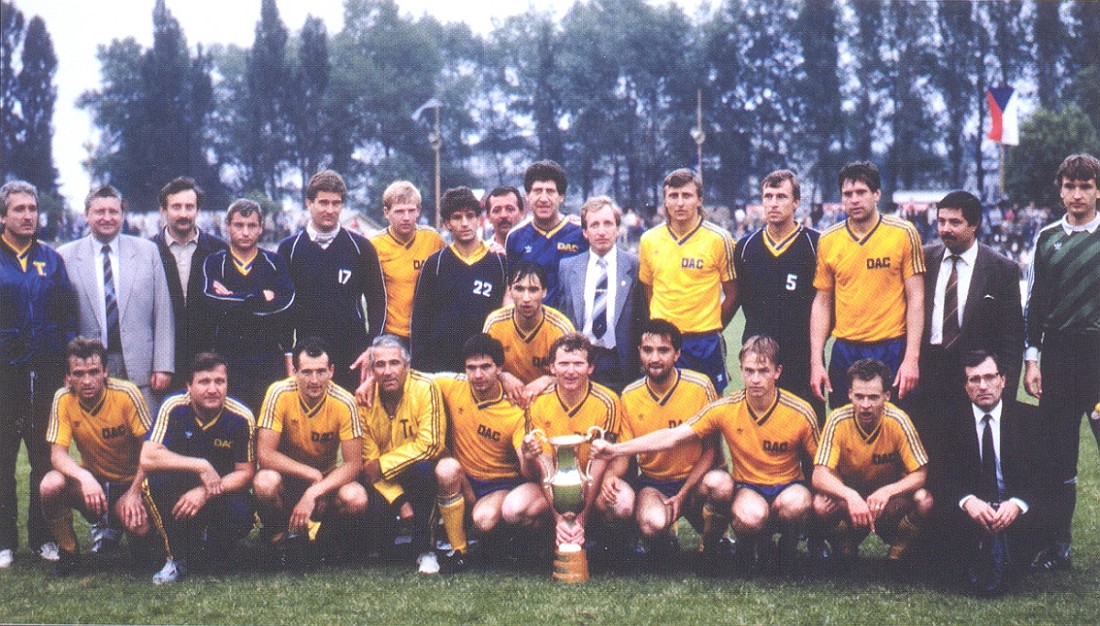 One more photo of the team at the moment of their greatest ever triumph is a must.
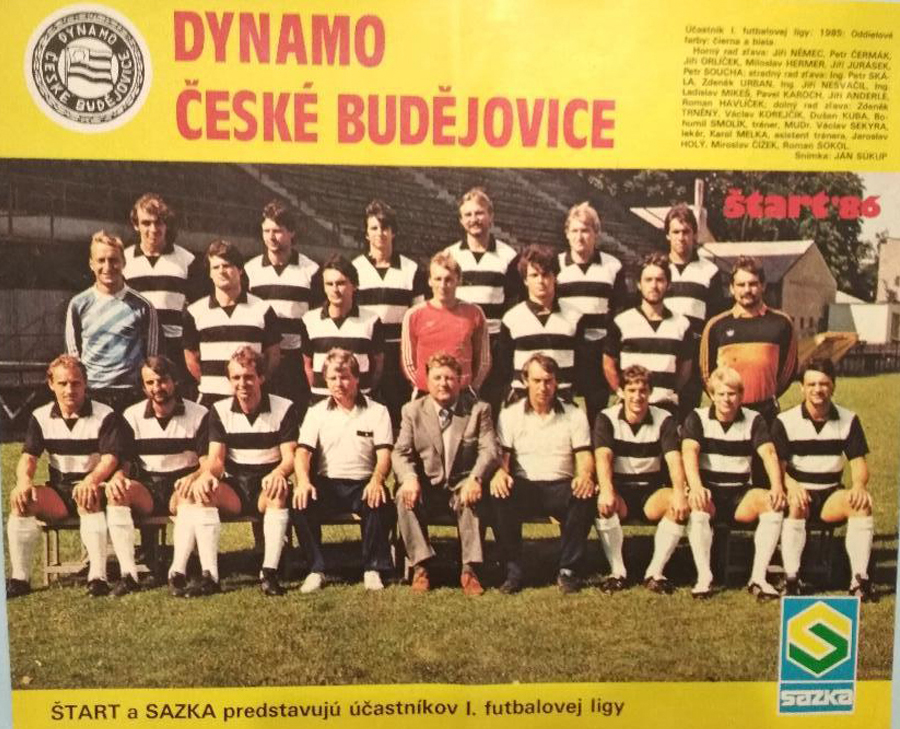 Dynamo (Ceske Budejovice) were down on their luck – last with 20 points. Relegated and that was hardly a surprise – Dynamo meandered between First and Second divisions. They were promoted by default two years ago – Zbrojovka (Brno) won then the league, but was denied promotion and Dynamo climbed up instead. They escaped relegation by 1 points in the previous season, but not this time.
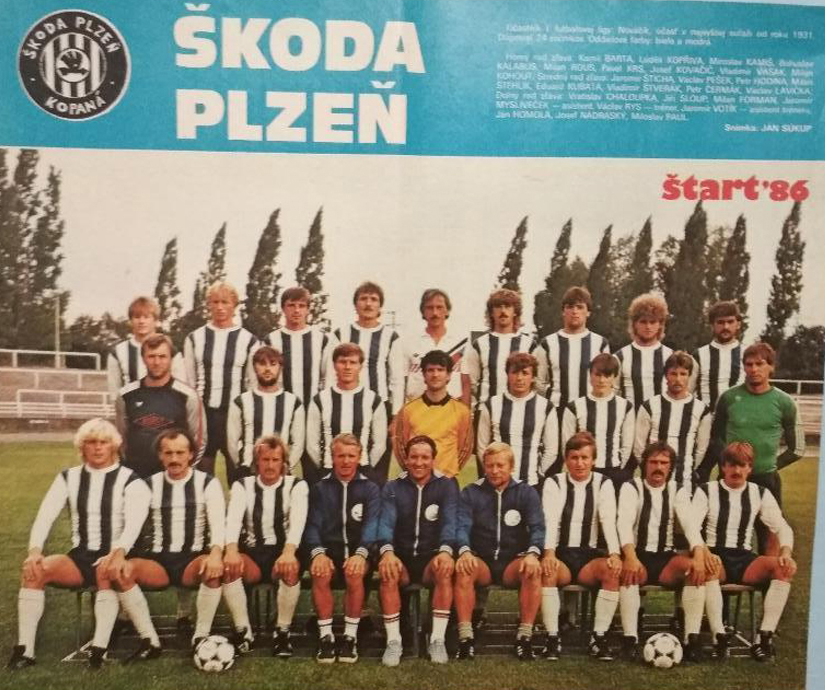 Skoda (Plzen) was the other unfortunate – 15th with 23 points and relegated. They were just promoted from Second Division and sunk back to it immediately. As a matter of curiosity, both relegated teams represented the cities most internationally famous for their beer.
 Sigma (Olomouc) managed to survive – 14th with 25 points. For the moment, this was fine.
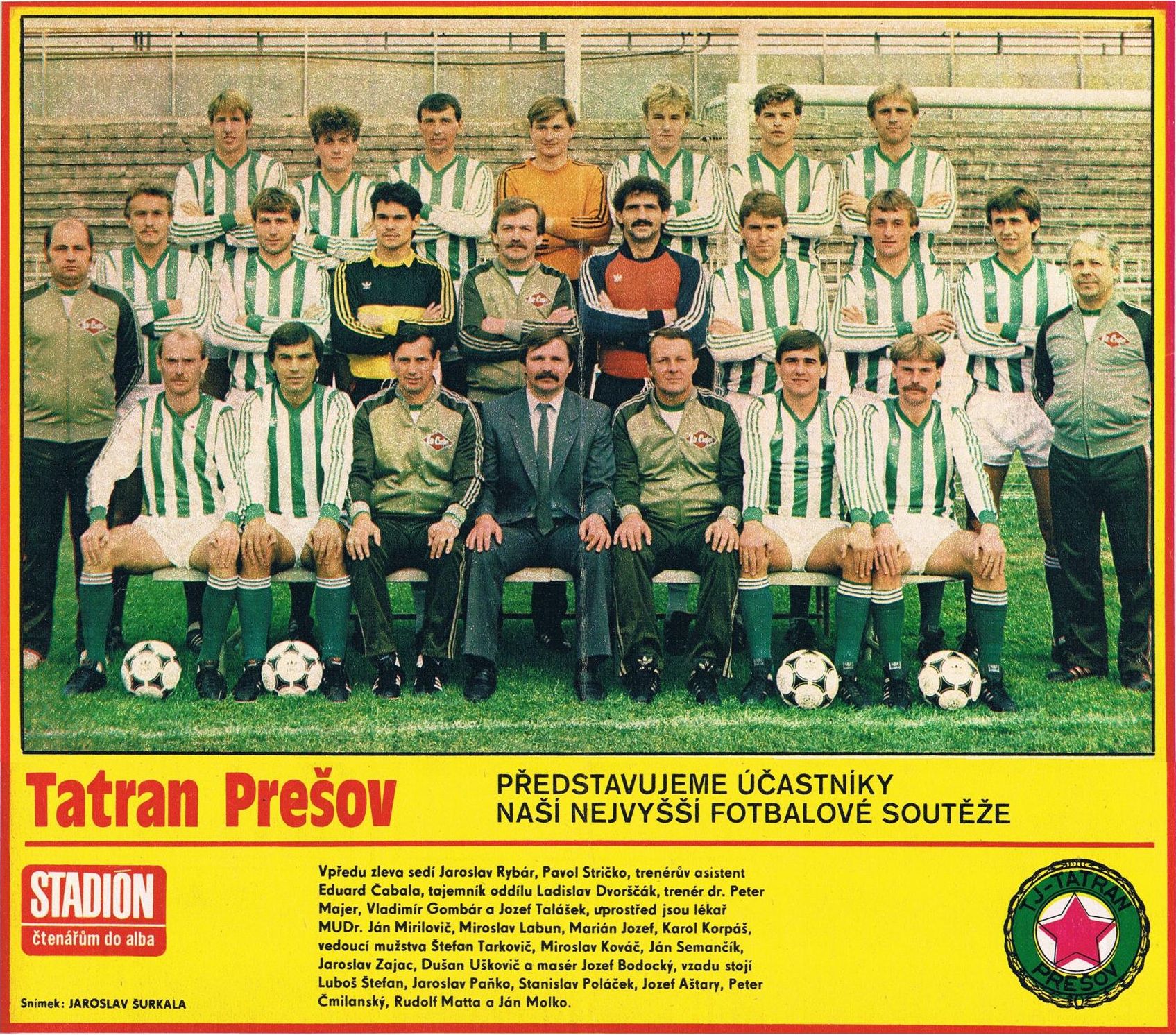 Tatran (Presov) – 13th with 26 points. Their usual lowly position, happy to avoid relegation.
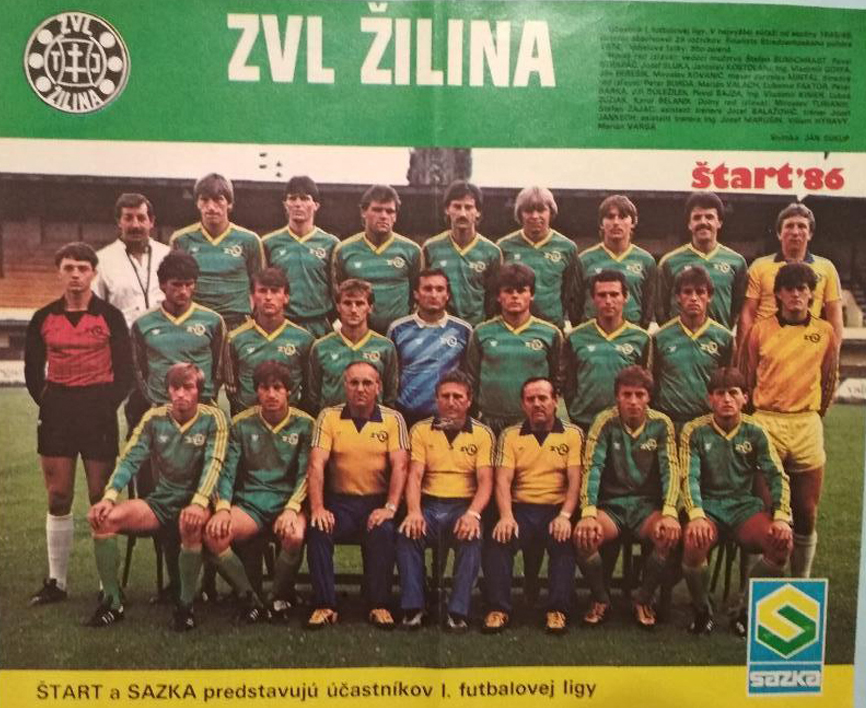 ZVL (Zilina) – 12th with 27 points. Similar to Tatran, as always.
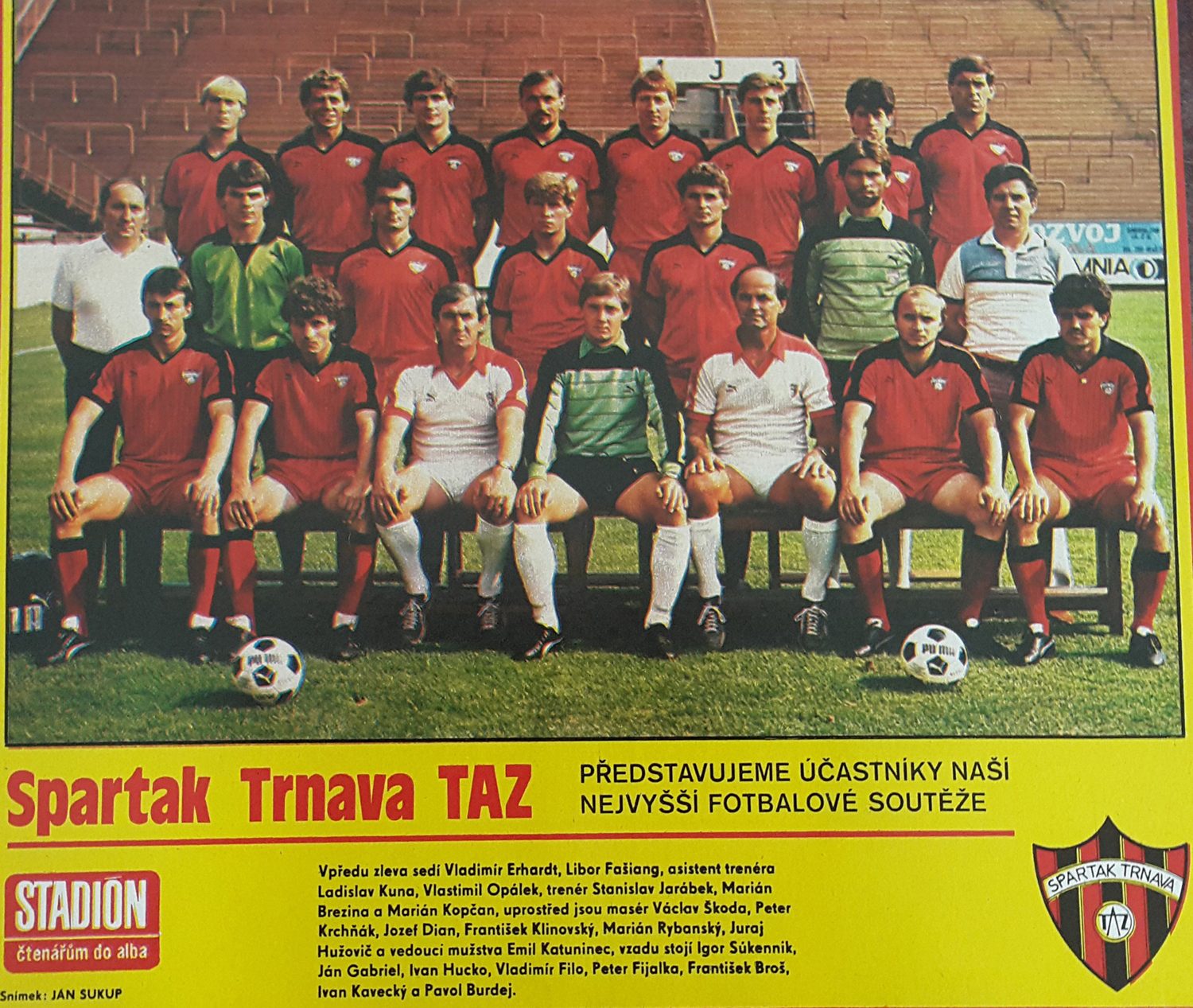 Spartak TAZ (Trnava) – 11th with 27 points. In deep decline already for years, like Slovak football in general, but so far clinging to First Division, unlike the Bratislava and Kosice clubs.
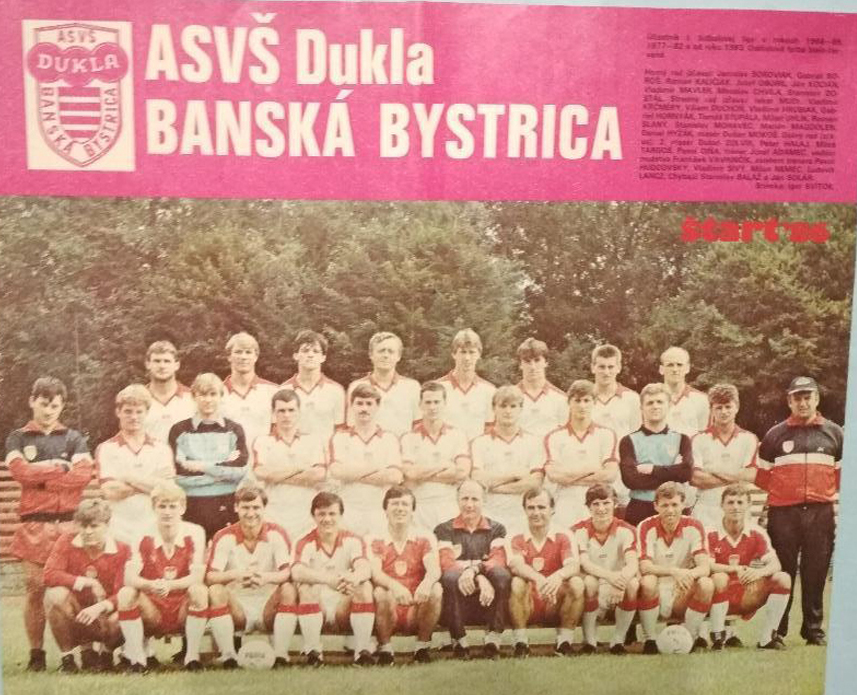 ASVS Dukla – but also given as VTJ Dukla, popularly called just Dukla (Banska Bystrica) – 10th with 28 points.
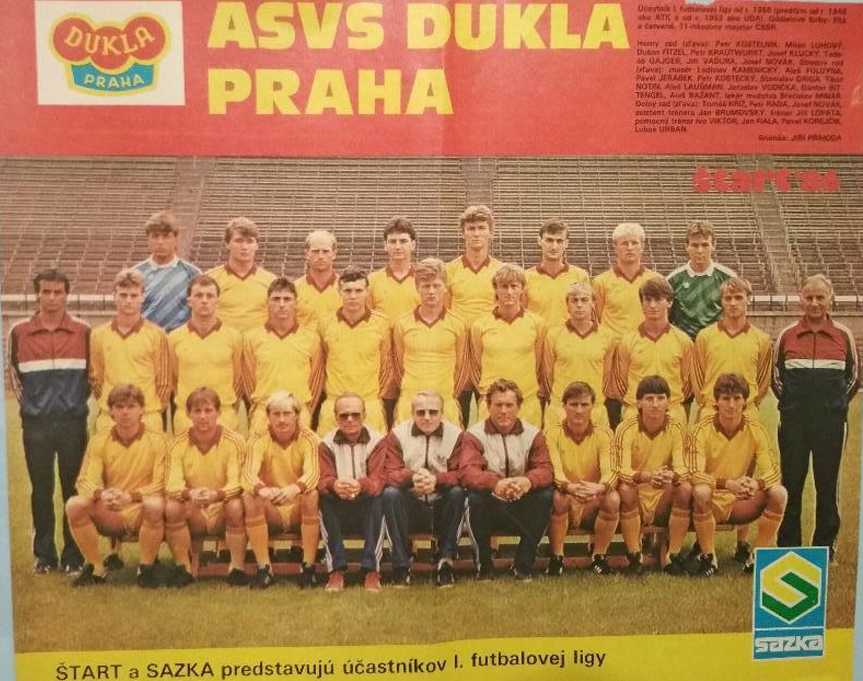 ASVS Dukla – but rarely even written that way, for Dukla (Prague) is Dukla (Prague). Good squad, weak season, most likely temporary weakness – 9th with 30 points.
 Plastika (Nitra) – 8th with 30 points. Not a bad season for them.
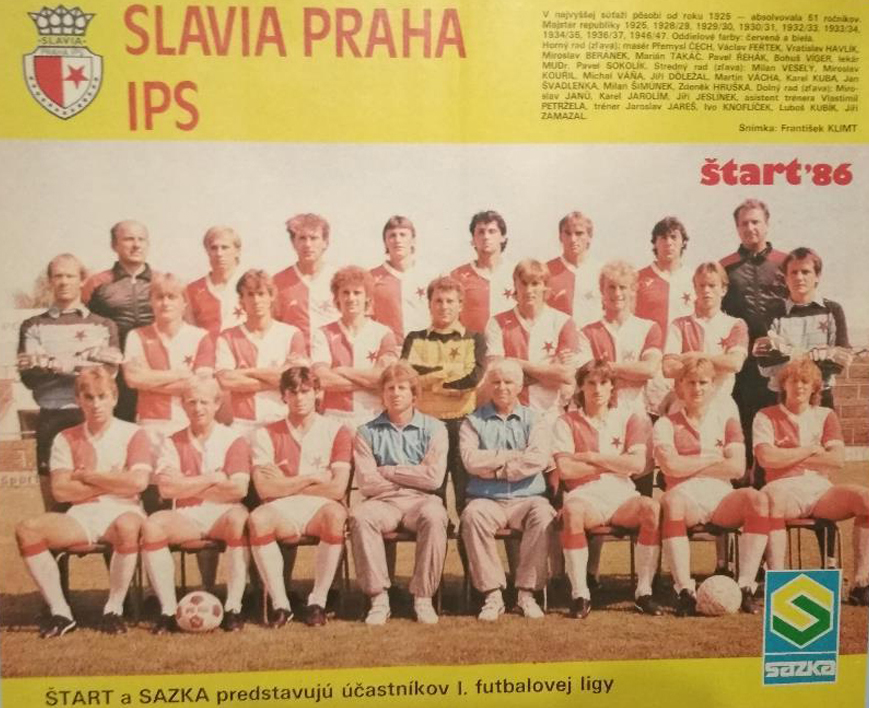 Slavia IPS (Prague) – 7th with 31 points. In the Slavia’s mythology they were constant victims dirung the whole Communist period of the country, so nothing new here – mid-table position.
 Ruda hvezda (Cheb) – 6th with 32 point. Not bad.
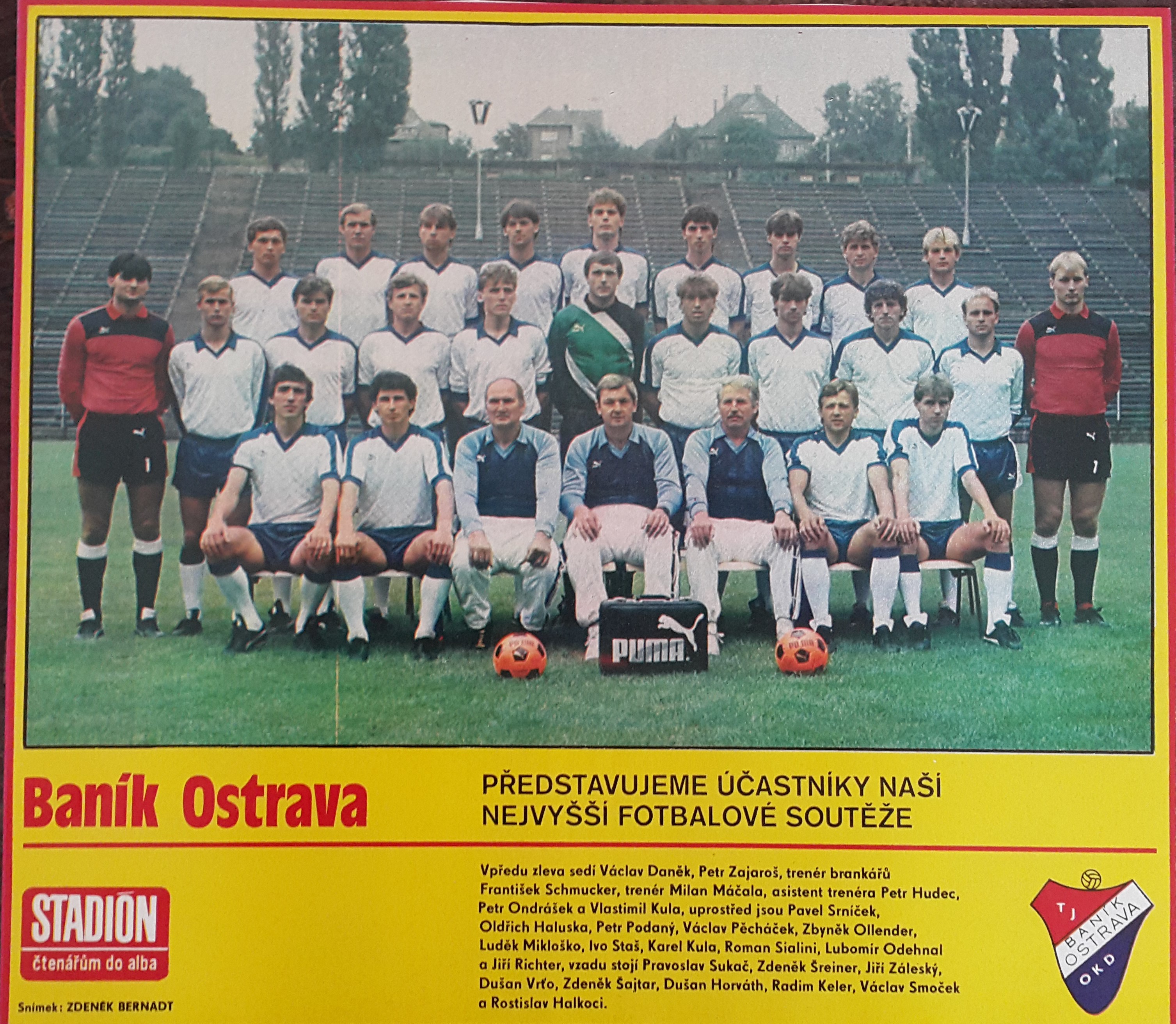 Banik (Ostrava) – 5th with 33 points. Not as strong as they used to, but seemingly avoiding major decline.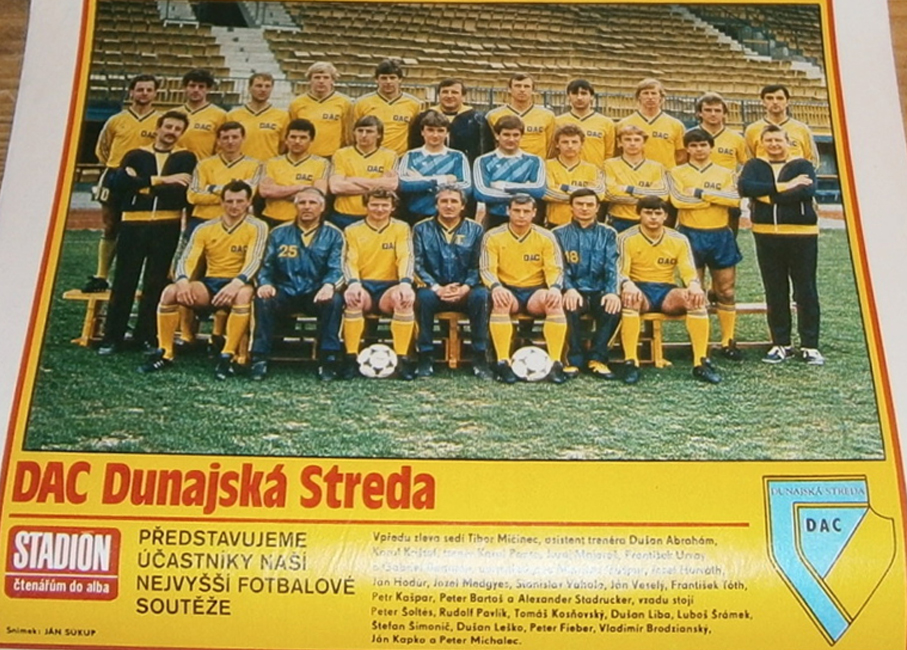
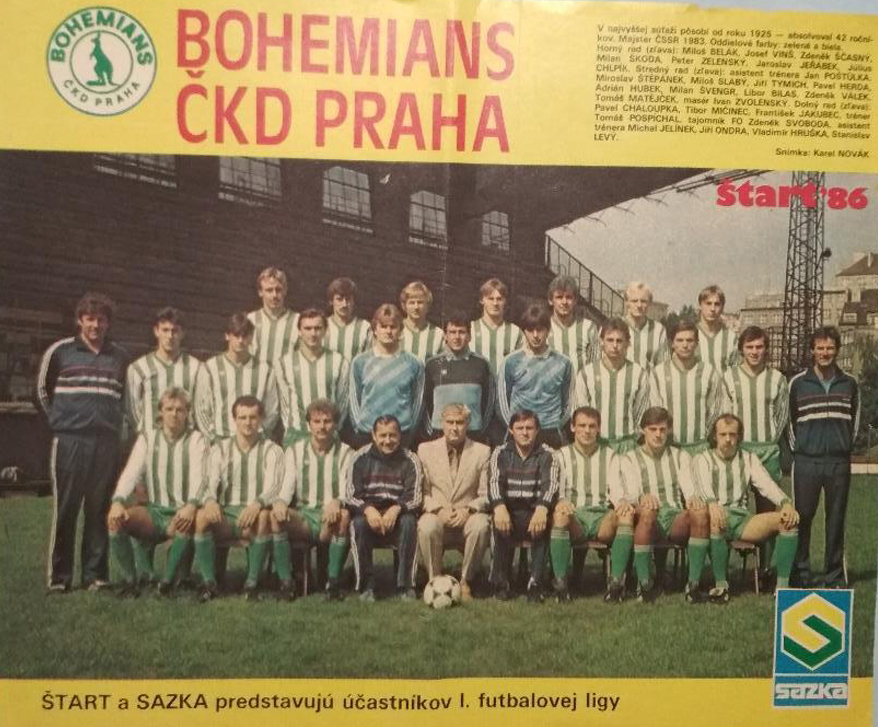 Bohemians CKD (Prague) – 3rd with 35 points. Well done, even if their success was mostly due to the relative weakness of other clubs. One cannot be very harsh on them, though – the smallest of the Prague clubs never had a chance to build a squad of stars and strong seasons were always more a matter of brave spirit than anything else. Lovely underdogs beating the odds.
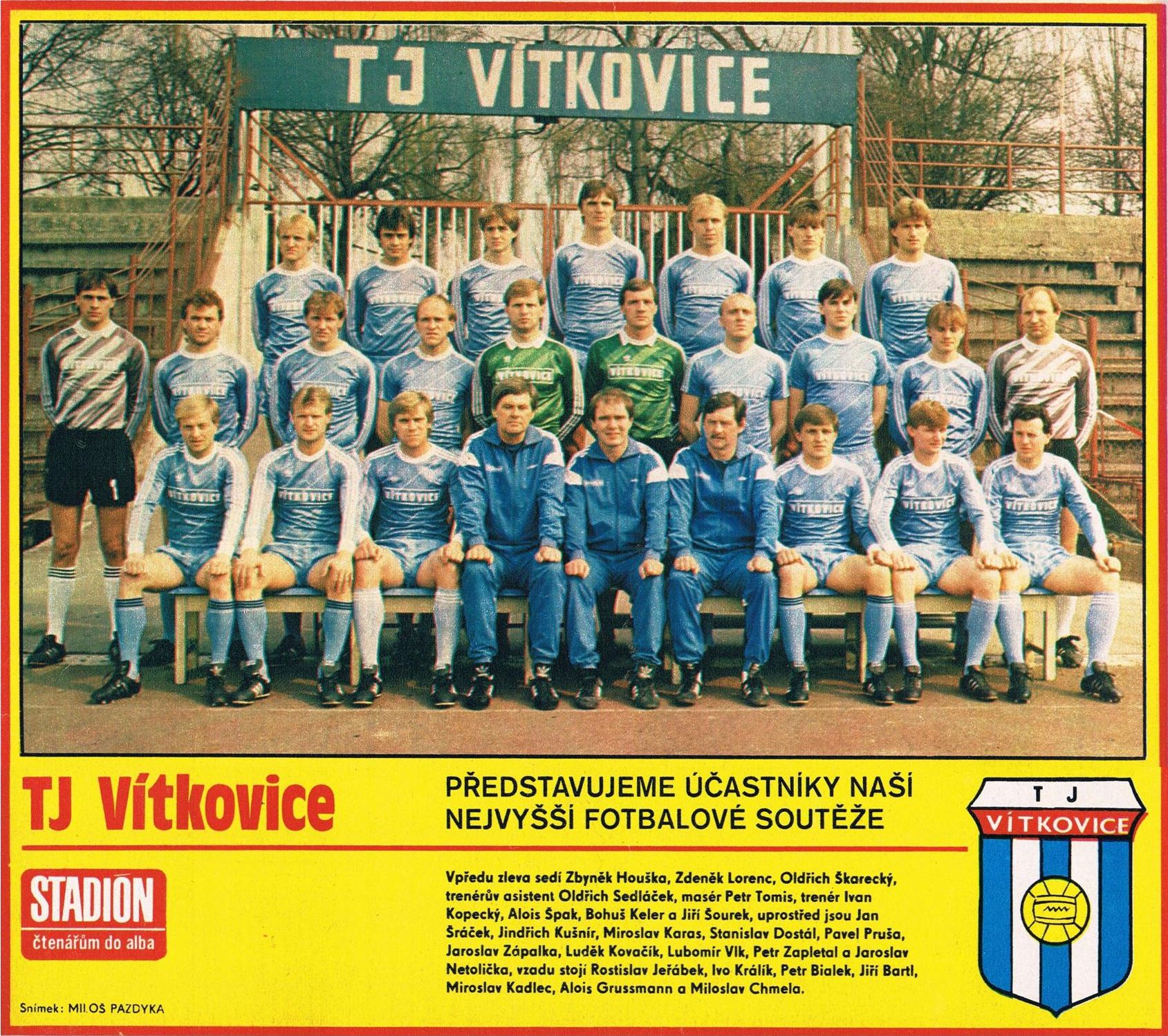 Given their squad, it was quite expected that the last year champions would not be able to repeat their success – it was pretty much the same team and TJ Vitkovice was hardly the city – and therefore, the club – capable to attract big talent. 2nd with 37 points – looking like keeping leadership, but most likely just going on inertia: they really fought and succeeded winning silver medals. Not able to challenge the leaders at all.
 Sparta CKD (Prague) easily won the championship – they won 18 games, tied 6, lost 6, scored 63 goals and allowed only 17 in their own net. With 42 points, they left TJ Vitkovice 5 points behind. Their goal-difference of +46 practically tells all: the next best goal-difference belonged to Slavia (Ptague) and it was only +19. Third-place Bohemians ended with +8! Of course, Sparta had the best squad – Chovanec, Skuhravy, Nemecek, Stejskal, Hasek, Straka, the crème of the 1980s Czechoslovak best players. It was also incredibly strong period for the club and it was clear that they will continue to lead.