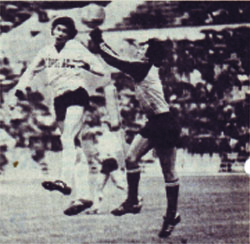
Turkey. New Cup winner, old champion.
Second Division. The usual 3-group league, groups B and C of 18 teamseach, and Group A of 17 teams. Last 4 teams relegated, the group winners promoted to top flight. A brief glimpse at the Turkish second level:
Group A.
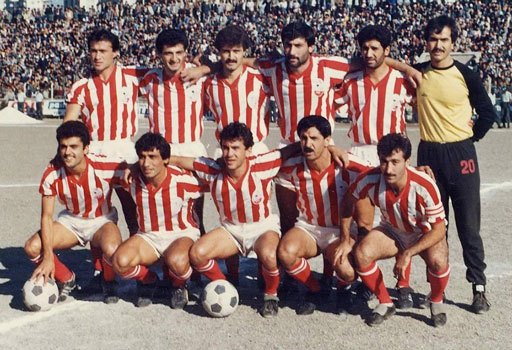 Kahramanmarasspor – 8th with 32 points. Grass was scarce at this level.
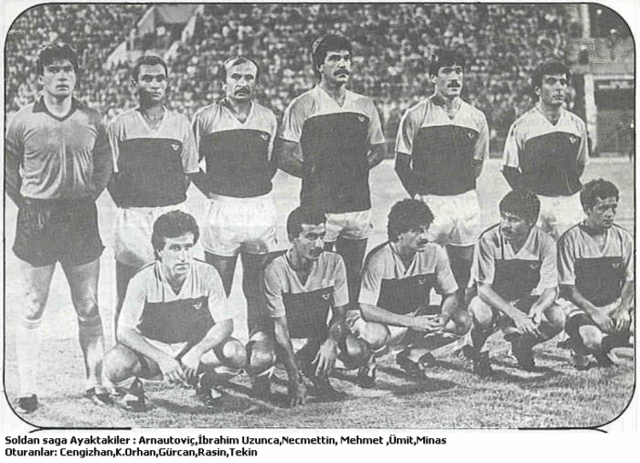 Adana Demirspor – 2nd with 46 points. Bests strikers and defenders in the group, but lost the battle for promotion by a single point. Recent top league members had foreign players in the their squads – the Yugoslavian goalkeeper Arnautovic on this occasion.
 Diyarbakirspor clinched 1st place and earned promotion: 19 wins, 9 ties, 4 losses, 47-21 goal-difference and 47 points.
Group B. Head-to-head results decided the group winner.
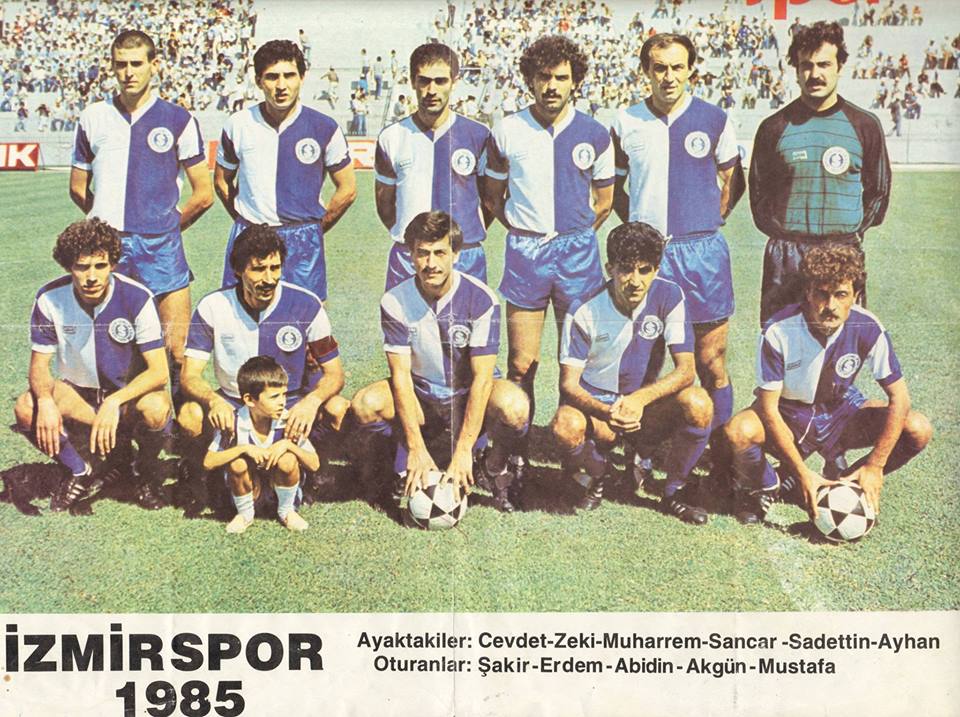 Izmirspor – 12th with 30 points.
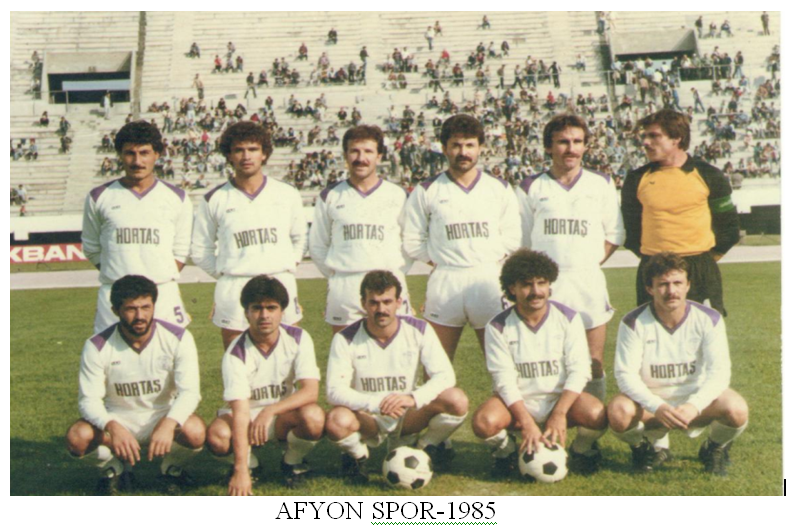 Yeni Afyonspor had wonderful season – 3rd with 35 points.
Tarsus Idman Yurdu Erkutspor and just relegated from First Division Boluspor fought for the top position – they finished with equal points and head-to-head result benefited Boluspor. TIY Erkutspor won more games during the season and had superior goal-difference, but no luck.
 Boluspor was lucky, no doubt, but quickly returned to top flight. 21 wins, 10 ties, 3 losses, 42-15 goal-difference and 51 points. They rather tiny stadium for top division club, but it was not all that important before 1990.
Group C. The only group without drama, won by comfortably dominating team.
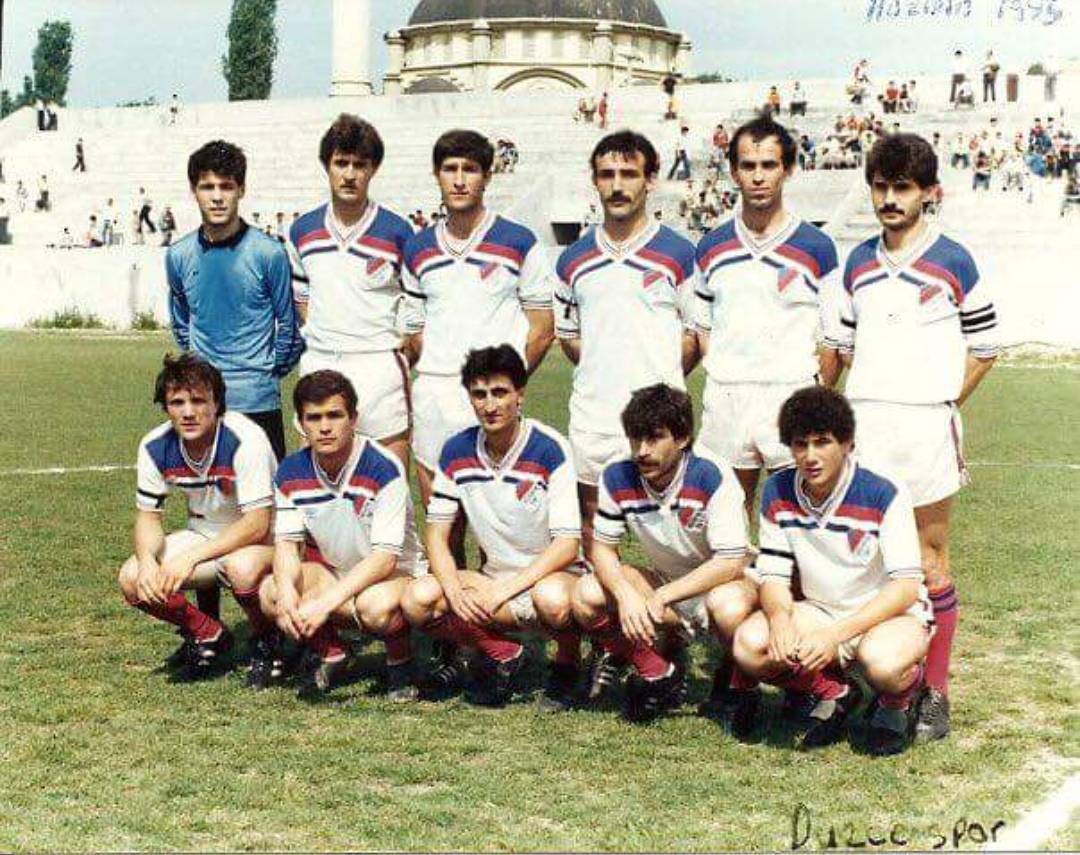 Duzcespor – 11th with 32 points.
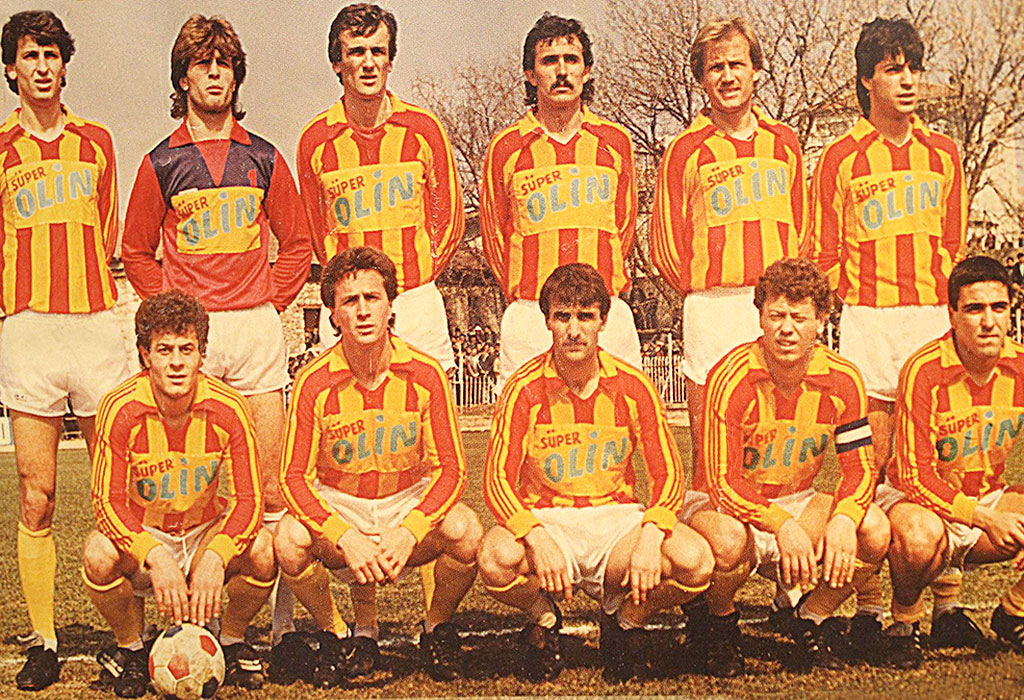 Edirnespor – 4th with 37 points.
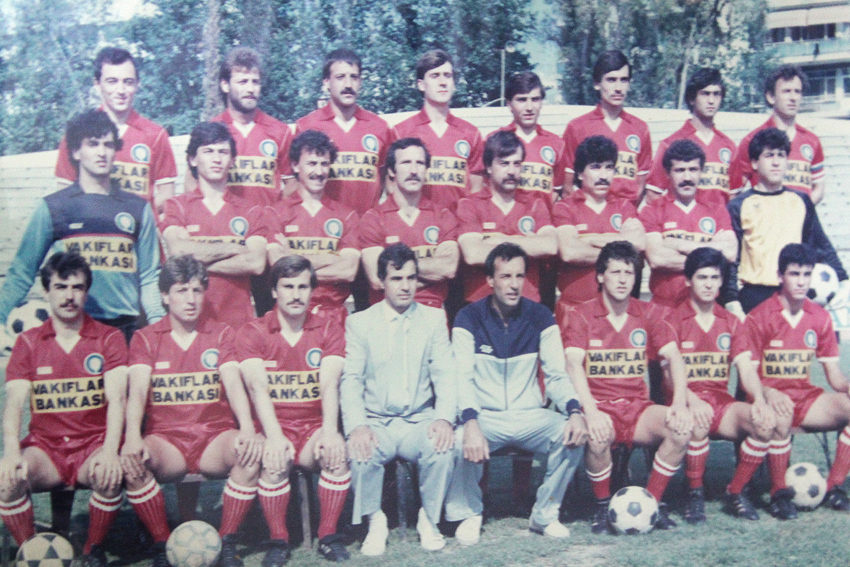 Antalyaspor – just relegated, but too strong and ambitious to stay in the second level. They dominated the championship and won it with 52 points from 22 wins, 8 ties, 4 losses. 60-20 goal-difference. Adanaspor outscored them by 13 goals, but trailed 5 points behind, not a threat. Antalyaspor went back to the top league.
Norway
Norway. Dominating winners and new Cup winner. Which also barely survived relegation. Two teams directly relegated from First Division and the 10th going to promotion/relegation play-offs against the 2nd-placed teams in the 2 groups of Second Division. The Second Division groups winners – directly promoted.
 Moss FK won Group A of Second Division with 35 points – 5 points ahead of the nearest rival.
Drøbak/Frogn clinched 2nd place on better goal-difference and got a chance to go up too, if winning the promotion/relegation play-offs.
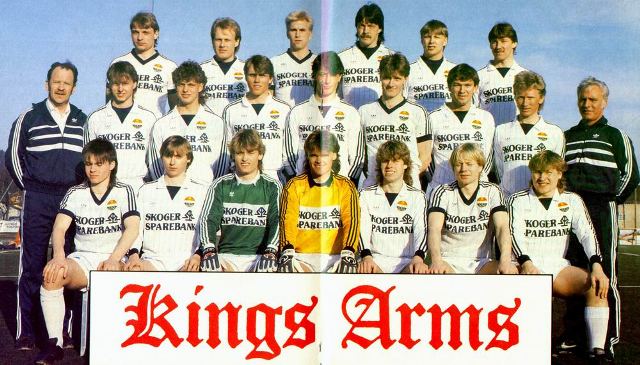 Interestingly, Strømsgodset was very weak this year, finished 10th with 16 points and was relegated to Third Division – more often than not they used to play top level football. Third rrow from left: Olav Gjesteby, Bjørn Solum, Ulf Camitz, Ole Viggo Walseth, Tor Sara, Isak Ole Hætta.
Middle row: Erik Eriksen (trener), Joar Løhre, Roar Flaglien, Cato Leine, Torkel Knutsen, Arne Marcussen, Hans Roger Gjennestad, Ole Johnny Lofsberg, Terje Løver.
Sitting: Jan Wendelborg, Arne Gustavsen, Bjørn Heier, Ulrik Mathisen, Geir Bakke, Ole Garman Lorvik, Ole Isak Mienna.
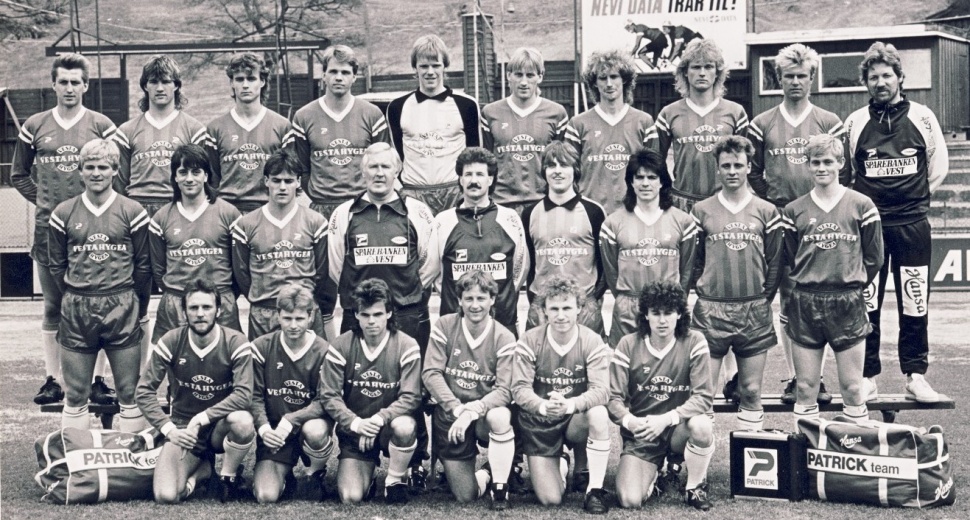 Brann (Bergen) had no equal in Group B, winning it with 35 points. Top row from left: Per Hilmar Nybø, Trond Devik, Trond Nordeide, Sævar Jønsson, Bjarni Sigurdsson, Arne Møller, Fridtjof Wilborn, Ivar Morten Nordmark, Lars Moldestad, Rune Enehaug (fysioterapeut).
Middle row: Alf Dahl, Tore Hadler-Olsen, Halvor Storskogen, Tony Knapp (coach), Trygve Larsen (assistant coach), Dan Riisnes, Erik Solèr, Åge Eikrem, Lasse Urheim.
Front row: Ingvar Dalhaug, Ketil Brekke, Hans Brandtun, Terje Risa, Trond Totland, Ketil Hatland.
Quite unusually for second tier team Brann had first-rate players in the roster, like Erik Soler.
Vidar comfortably took 2nd place with 30 points and went to promotion/relegation play-offs.
 Moss and Brann were promoted; Vidar,
 Drøbak/Frogn and Tromsø – 19th in First Division – went to the promotion/relegation play-off to compete for 1 top-league spot. No luck for the second division teams here – Tromsø beat them both and escaped relegation.
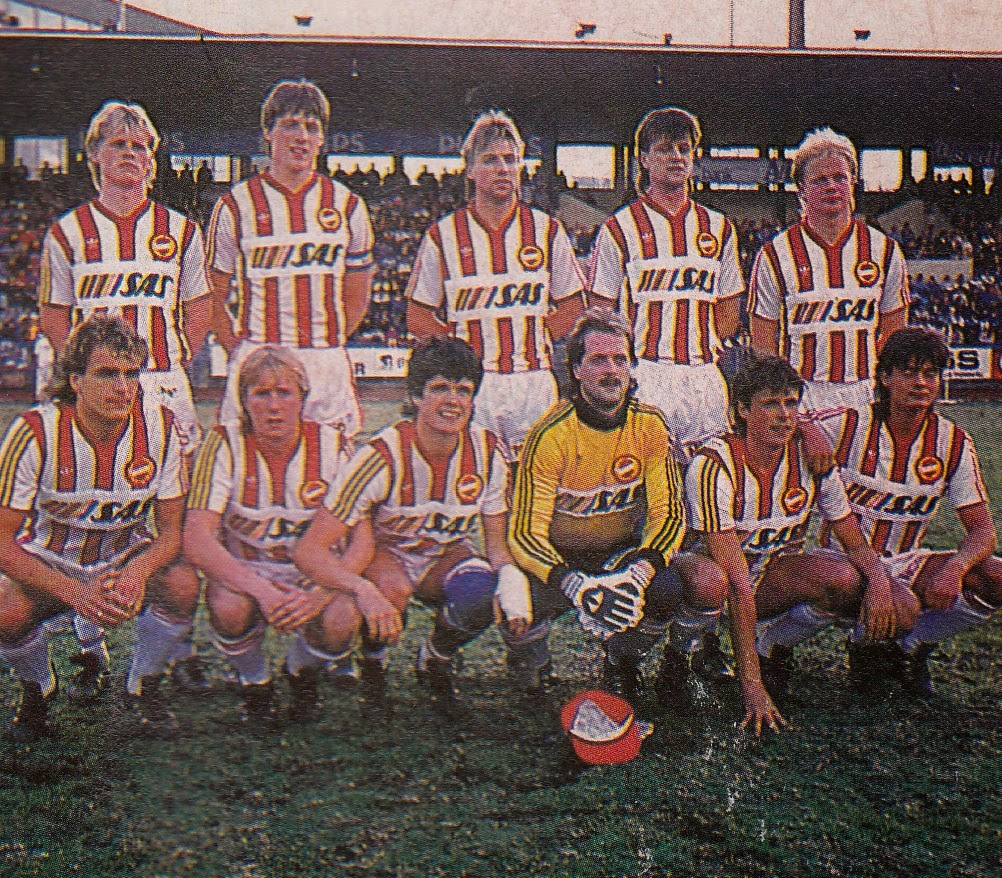 Saved in the last minute: Tromsø.
Strømmen was the outsider in the First Division and finished last with 8 points. Viking (Stavanger), one of the best Norwegian teams in the 1970s, was lowly now – ended 11th with 17 points and was also relegated.
Tromsø escaped direct relegation, but finished 10th with 18 points and had to fight for survival against second division teams in the promotion/relegation play-offs. But they managed to come on top and keep top flight place.
 Molde was lucky – 9th with 20 points.
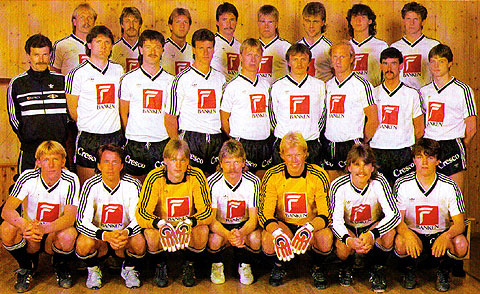 Rosenborg was just 8th with 21 points – closer to relegation than success.
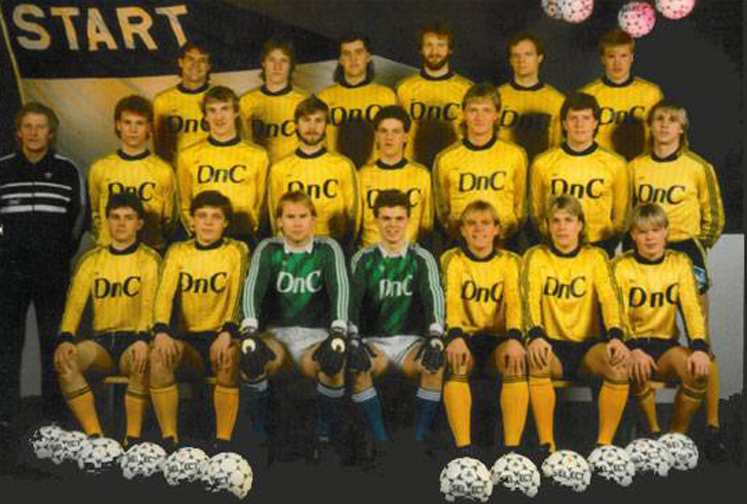 Start had so-so season – 4th with 24 points.
Kongsvinger was out of luck – they ended 3rd with 27 points, but worse goal-difference denied them 2nd place and representing Norway in the UEFA Cup.
Mjøndalen clinched 2nd place on better goal-difference and was going to play a bit of international football, which was great. But this was also their maximum – the title was beyond their reach.
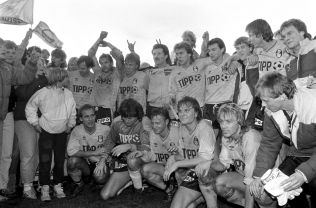 Lillestrøm dominated this championship and easily won it 6 points ahead of the nearest pursuers. 16 wins, 1 tie, 5 losses, 40-17 goal-difference, 33 points, and 4th title. They had to wait almost 10 years for it, but the come back was very powerful. It was going to be a double…
Lillestrøm reached the Cup final and at least on the surface the victory was granted – Tromsø was the other finalist. A club not only never a winner, but having weak season as well, trying only to escape relegation. But predictions went to the dogs on the field – lowly Tromsø destroyed the favorites 4-1!
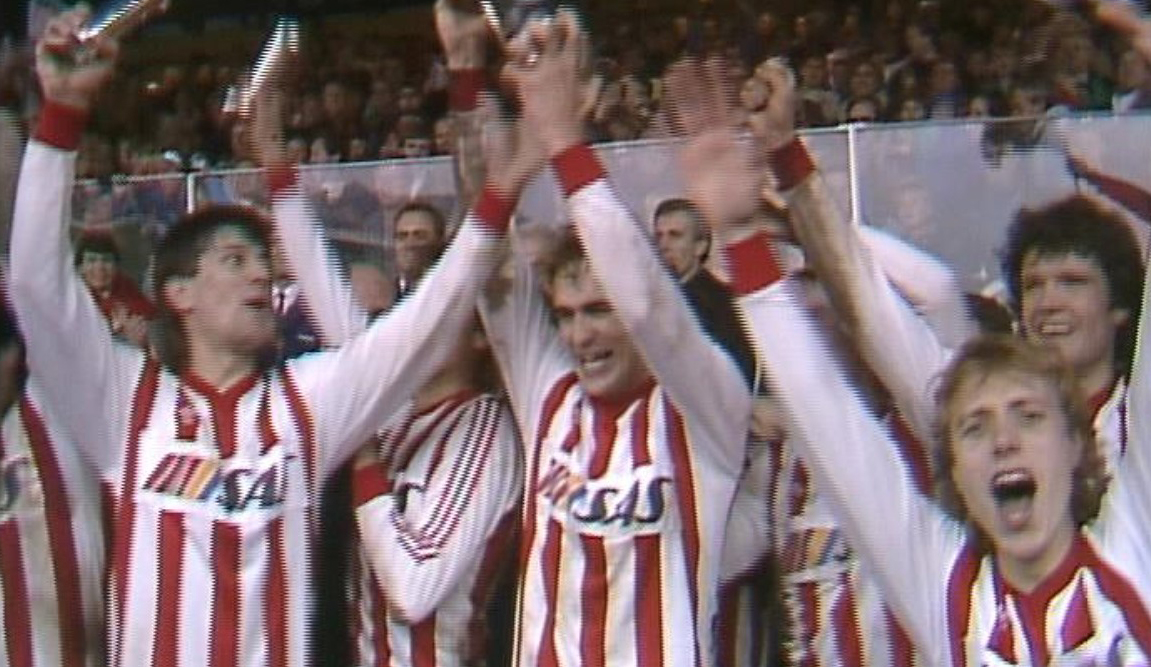 The unlikely heroes received the Cup and their joy was endless.
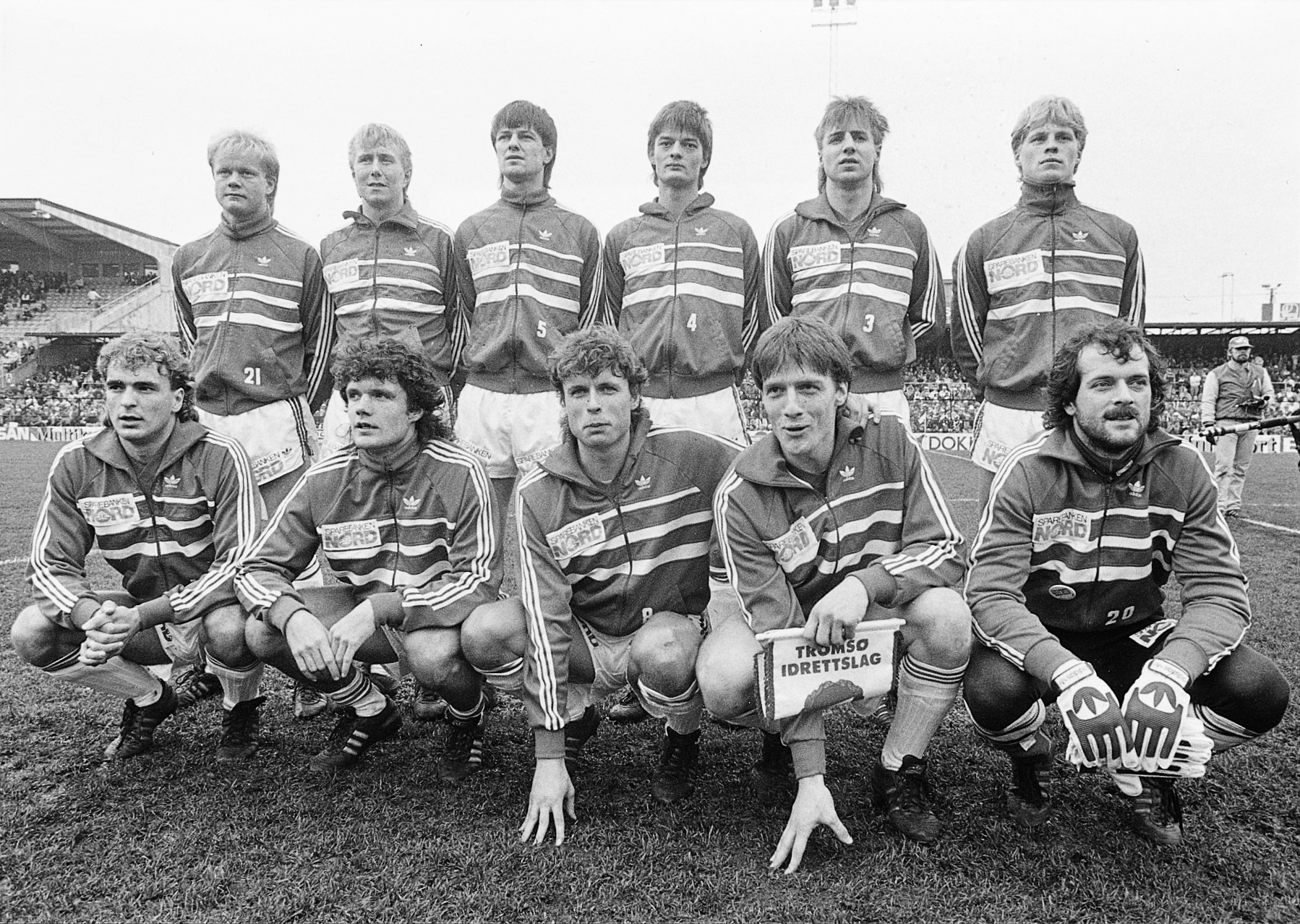
Not only Norway had a brand new Cup winner, but the outsiders triumphed spectacularly over the best squad in the country. Crouching from left: Trond Johansen, Tore Rismo, Truls Jensen, Lars Espejord, Bjarte Flem. Standing: Per Høgmo, Sigmund Forfang, Tore Nilsen, Tor Pedersen, Trond Steinar Albertsen, Nils Solstad.
Instant heroes, instant legends – this squad won the very first trophy in the history of the clubs. They did it in great manner, nothing chancy. Here they were, a team barely escaping relegation, but destroying the domineering champions 4-1! Lovely victory and great success.
Albania the Cup
The Cup final opposed 17 Nentori to Vllaznia and the team from the capital rather easily won 3-1. Vllaznia (Shkoder) was weaker than few years back, 17 Nentori was in perfect form. Simple as that, if one discards the general charge established after 1990 that 17 Nentori was the ‘government’ club and supported behind the scene.
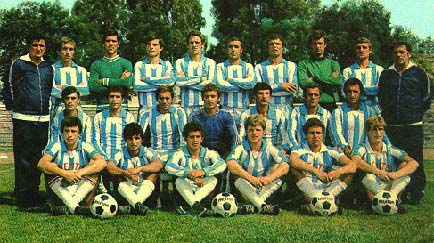 17 Nentori (Tirana) eventually lost the title, but still won the Cup and finished the season in high spirits. This was their 6th Cup, but who could tell at the moment of triumph that this was their last Cup victory? Or was it? After 1991 they changed their name to SK Tirana and continued to win trophies.
Albania
Albania. Two things call attention to this season: both first and second division were decided on goal-difference and rather curious penalties were imposed on 4 top league clubs, including the top three in the final table.
Second Division was dominated by the freshly relegated teams, which promptly returned to the First Division, but in a unusual manner: they finished equal in everything and the champion was decided on more scored goals.
 Skenderbeu (Korce) took 2nd place with 15 wins, 5 ties, 6 losses, 35 points, and 35-14 goal-difference.
 Besa (Kavaje) became champion of Second Division with exactly the same record, except their goal-difference was 43-22: +21 goals, just like their rivals, but since they scored 43 goals and Skenderbeu only 35, Besa got the title. But both teams returned to top flight after a single season in exile.
First Division was a battle between 3 teams for the title – the trio was way above the rest of the league. There was also one outsider – the freshly promoted Shkendija (Tirana). They finished last with 11 points.
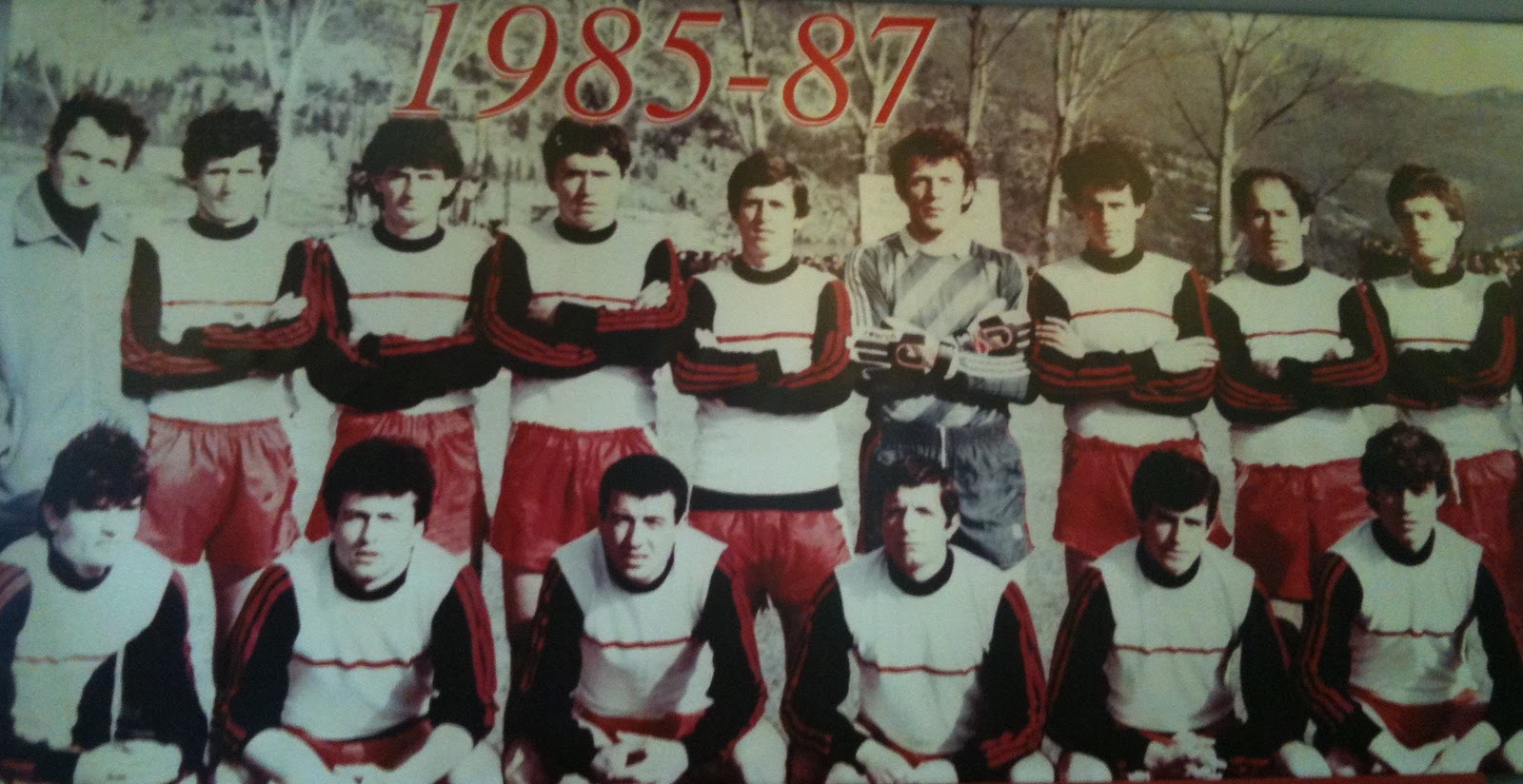 The other relegated was Beselidhja (Lezhe) – 13th with 18 points.
Up the table, most teams were divided into two groups – some obviously weak and some fairly decent, but nothing special.
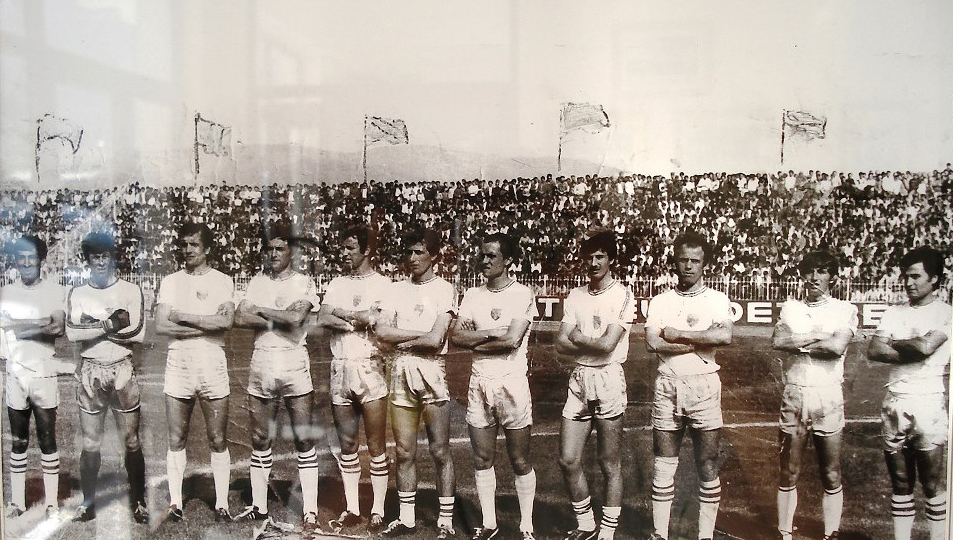 Tomori (Berat) exemplified the weak group – 10th with 21 points.
In the better group were some recently weakened teams like Partizani (Tirana) – 4th with 31 points – and Vllaznia (Shkoder) – 6th with 29 points, but the most curious team was Apollonia (Fier). They were just promoted to First Division and had strong season, finishing 7th with 26 points. But they were found guilty of ‘infringement of rules’ and ‘fined’ 6 points by FA disciplinary committee. The points were to be deducted from their next season record – that is, Apollonia was going to start it with -6 points.
The battle for the title was dramatic: 17 Nentori, Flamurtari, and Dinamo went together to the very end. 17 Nentori (Tirana) eventually lost the race by a point, ending 3rd with 37 points. Flamurtari and Dinamo finished with 38 points each, both having 15 wins, 8 ties, and 3 losses. Both teams recieved 20 goals each as well, so it was up to scored more goals. Flamurtari (Vlore) was unlucky: their goal-difference was 42-20: +22.
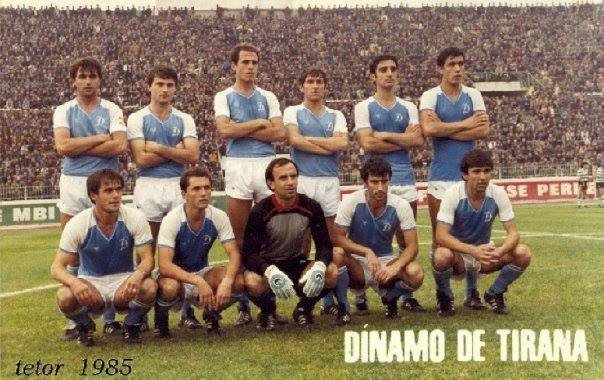 Dinamo (Tirana) finished with 49-20 goal-difference: +29 and thus clinched the title. It their first after 1979-80 and their 14th altogether. Lucky champions, no doubt, but there was still heavy price to be paid. They, along with Flamurtari and 17 Nentori were ‘fined’ 3 points each by the FA disciplinary committee. The crime? During the season every leading team collected more than 20 red/yellow cards. Looks like the top teams played vicious football, which probably was true, although hardly something new. It also looks like they were the only teams playing rough – nobody else was found guilty and that casts some doubts on the attempt for fair-play by the FA. The penalties were going to be consumed in the next season, so the three top teams were starting the 1986-87 with -3 points. Strange…
Ireland I Division & Cup
No such excitement in the top league – among the best it was business as usual, somewhat supporting the sceptics view that enlargement of professional or semi-professional football was hardly the way for elevating the quality of the game in a relatively poor country where the best players played in England by definition. Changes or no changes, things were staying as they were…
University College Dublin was the weakest team and ended last and relegated with 8 points. Shelbourne was unlucky to a point, but certainly weak – they were 10th with 13 points, but relegated on worse goal-difference. Cork City survived on better goal-difference, but the future did not look bright for them.
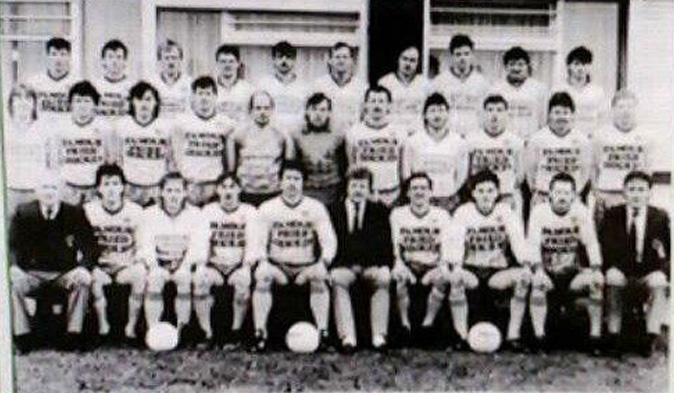 Limerick City had a so-so season – 6th with 24 points – but they also marked a new divide: they finished 5 points ahead of Athlone Town, 7th, which suggested that the enlargement of professional football was perhaps further weakening of most teams – the newly reduced top league was sharply divided into two groups of teams and perhaps the limited resources of the country could not support more than half-a-dozen decent teams. Say what you like, but even among the better teams there was no strong competition – Dundalk finished 3rd with 30 points and Galway United came closest to rivaling the best known Irish club with 31 points. But were they really close?
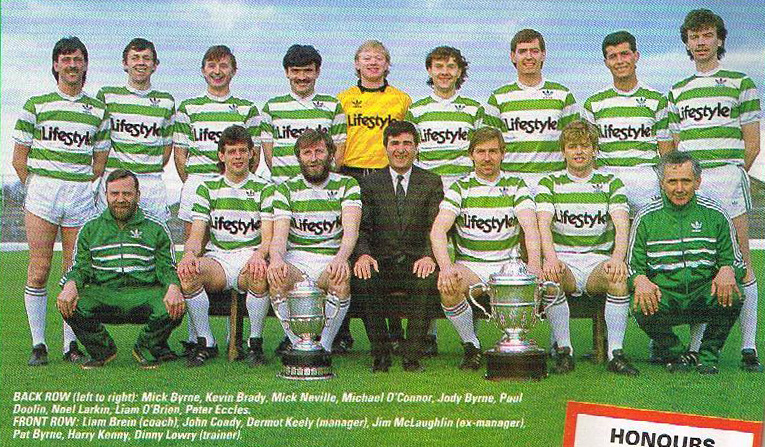 Shamrock Rovers won the championship like many times before. On the surface, it was not an easy season – they were only 2 points ahead of Galway. No doubt, Irish spirit kept every team fighting against Shamrock Rovers, but ability was limited and really the leaders had it easier than their rivals, especially against the weaker half of the league. At the end, they won 15 out of total 22 games, tied 3 and lost 4. Galway lost fewer games – 3 and Dundalk 4, but both challengers won only 12 matches each and that was the big difference making Shamrock Rovers winners. They scored most goals – 44 – and had second-best defense – 17 (Dundalk allowed only 16 goals in their net). At the end, the attack prevailed and attack was most important against the weaker teams in the league.
If anybody doubted the class of Shamrock Rovers, the team was quick to kill the argument: they reached the Cup final and there disposed of Waterford United 2-0.
 Waterford United was weaker, no doubt, and winning was not their forte – ties were their specialty this season – but at the end their disappointment was compensated with a chance for playing a bit of international football by representing Eire in the Cup Winners Cup. Thanks to Shamrock Rovers, as it was…
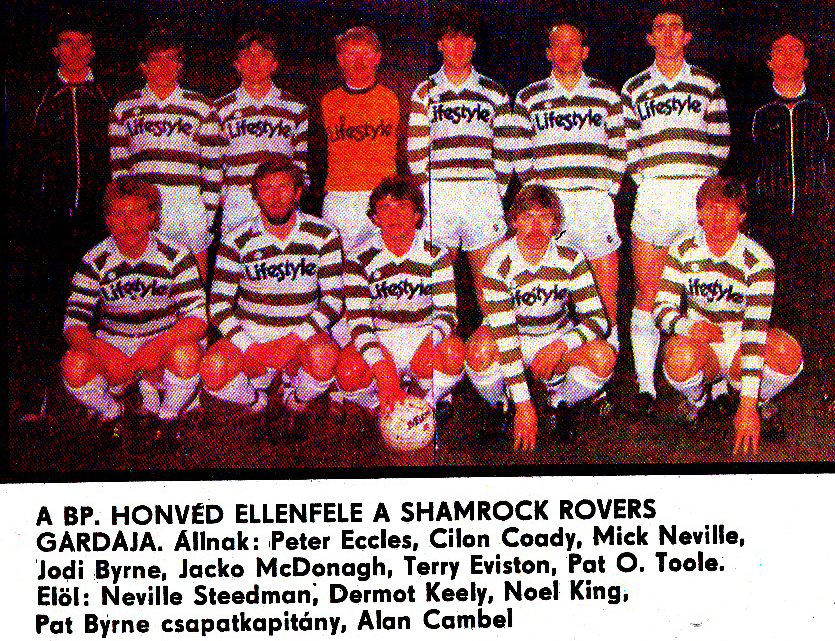 Rovers collected one more cup and repeated their Cup success of the previous year. A double was the final result of the season, clearly proving that they were the strongest Irish club even in the new environment. Some things never change.
Ireland II Division
Eire. The big news was the introduction of Second Division – it was made of 10 teams: the last 4 in the First Division 1984-85 – Sligo Rovers, Longford Town, Drogheda United, and Finn Harps – plus 6 elected clubs – Bray Wanderers, Derry City, Cobh Ramblers, Newcastle United, Monaghan United, and EMFA. Thus, the top league was reduced to 11 teams. The top 2 teams of Second Division were promoted and the bottom 2 in First Division – relegated. No wonder the inaugural season had particular importance in the minds, if not in the hearts: there was a new trophy to be won and it was good to be the first winner. However, the new Second Division did not produce some big exciting change – 4 teams were competing for top positions and the rest were quite bellow the leaders. EMFA finished last after winning just 1 match in the season. Monaghan United was 9th with 11 points. Newcastle United – 8th with 13 points.
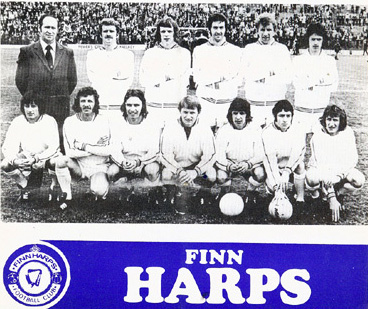 Finn Harps – 7th with 13 points. Cobh Ramblers – 6th with 15 points and the lowest scoring team in the league with only 14 goals. Drogheda United – 5th with 18 points.
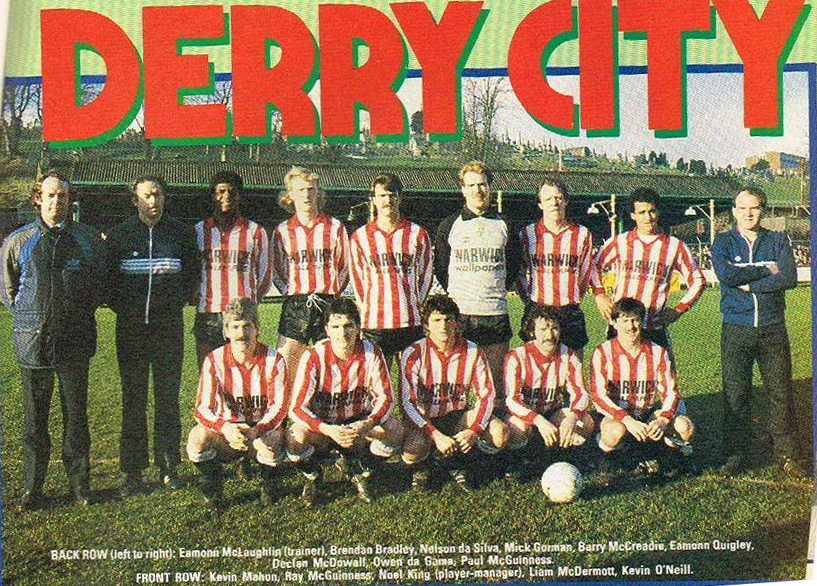 Derry City was 4th with 22 points, Longford Town – 3rd with 25 points.
 Sligo Rovers clinched 2nd place with 27 points and quickly returned to top flight, but was unable to win the Second Division championship.
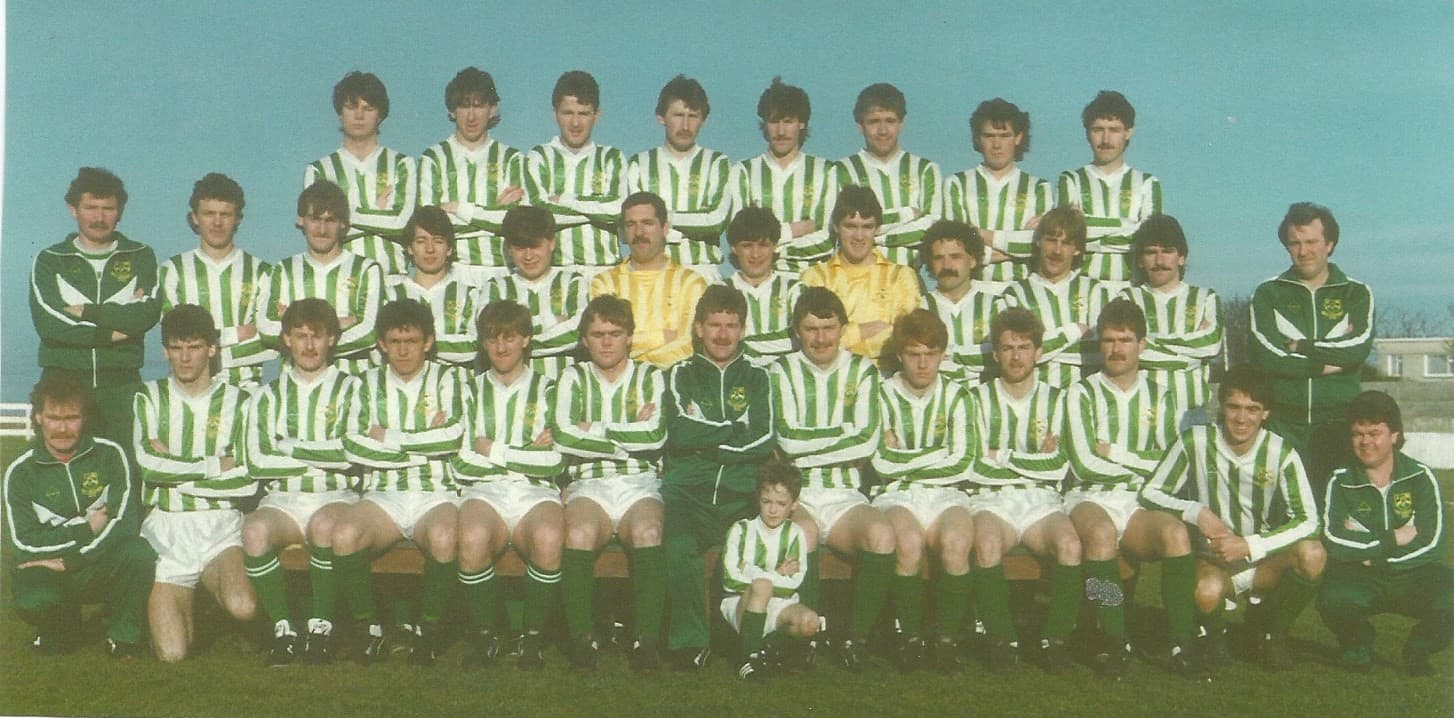 Bray Wanderers got the laurels – the newcomers were pleased to win the very first Second Division championship. They had splendid season, losing just once – the rest was 11 victories and 6 ties. They scored 30 goals – 2 teams scored more goals than them, but none equal them defensively – the first champions allowed only 10 goals in their net. It was not easy sailing at all – Sligo Rovers was equally ambitious and Longford Town not far away either, but at the end Bray Wanderers was one point ahead of the old top division member Sligo. It was just great. Promotion was even better – the club immediately proved its worth and may be justified the creation of the new division to the sceptics.
Denmark the Cup
The Cup final opposed ‘ordinary’ teams – from the perspective of the championship. B 1903 (Copenhagen) vs Ikast fS. Neighbours in the league, similar, equal in strength, and the final proved it – B 1903 prevailed only 2-1.
 Lucky, unlucky, Ikast fS lost and the margin was perhaps objective – minimally, they also finished behind B 1903 in the championship – 1 point difference in the championship, 1 goal difference in the final: small, but still a difference.
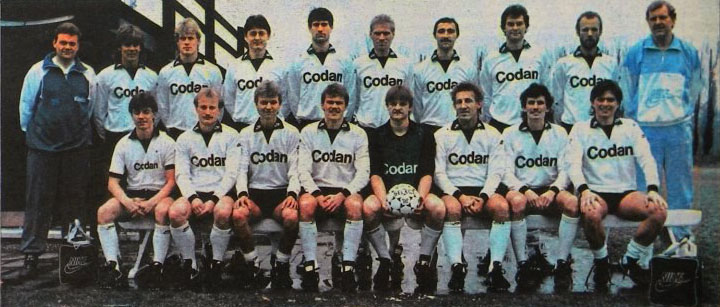 B 1903 (Copenhagen) triumphed and that was great for the old club, for they hardly ever won: this was their 2nd trophy, both times Cup winners. Sitting from left: Jorgensen, Norager, Rasmussen, Max Petersen, Palle Petersen, Nygaard-Andersen, Ibenfeldt, Valentin (?).
Standing: Jan Andersen – coach, Mathiesen, Friis-Hansen, Jensen, Nielsen, Kreibke, Kristensen, Larsen, Sedam (?) – manager.
This was the last success of B 1903 – the club eventually merged with another one to form FC Copenhagen in the 1990s, so this remains a historic victory.
Denmark
Denmark. Not much fire at the top of the table, a battle for survival between outsiders, and last trophies for two clubs. With the great stars playing abroad, the season was business as usual.
 Hvidovre IF and
 AaB (Aalborg) topped the Second Division and were returning to top flight once again.
Three teams were definitely weaker than the others in First Division and battled for safety – Kastrup Boldklub was successful, clinching 12th place with 14 points. Esbjerg fB with 13 points and Randers Freja with 11 points took the bottom two places and the final table and went down.
Nothing spectacular up the table – 4 teams were above the rest, but one of them dominated the championship.
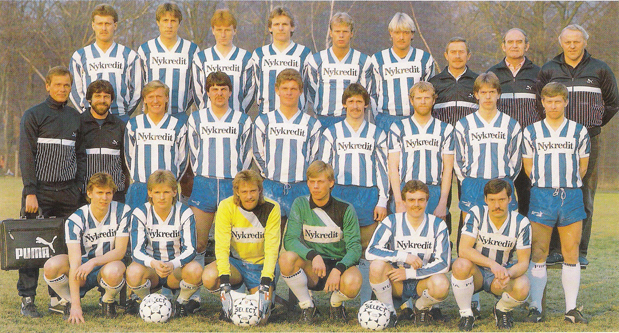 OB (Odense) was one of the typical teams of the season – 8th with 26 points. Top row from left: Carsten Margaard, Christian Holst, Johnny Hansen, Leon Hansen, Tommy Møller Nielsen, Ulrik Moseby, Leif Andersen, Erik Birkholm, Per Bartram.
Middle row: Walther Richter (træner), Holger Henriksen, Erik Jørgensen, Kim Ziegler, Torben Overgård, Allan Hansen, Thorbjørn Sørensen, Palle Bo Hansen, Bjarne Hansen.
Front row: Johnny Kwasniak, Torben Frederiksen, Lars Høgh, Tom Sterobo, Peter Nørgård Nielsen, Lennart Simonsen.
Among the leaders,
 Lyngby BK looked like losing steem – 4th, but rather distant 4th with 32 points.
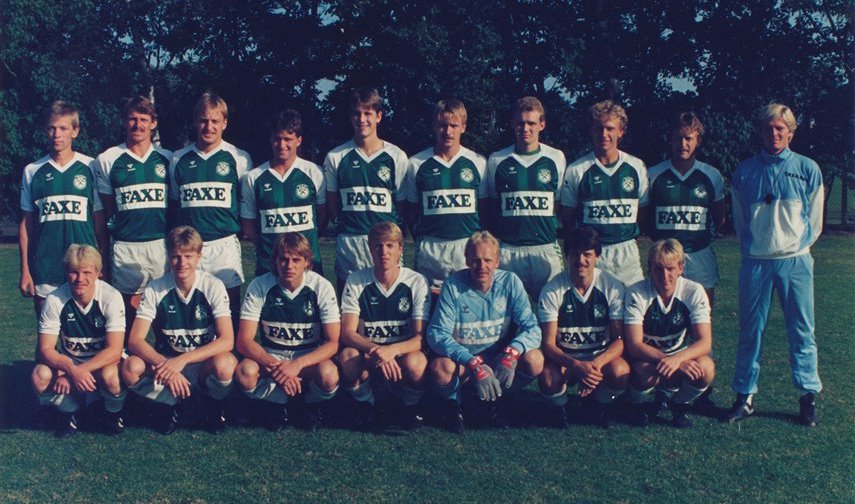 Næstved IF had great season, ending 3rd with 35 points.
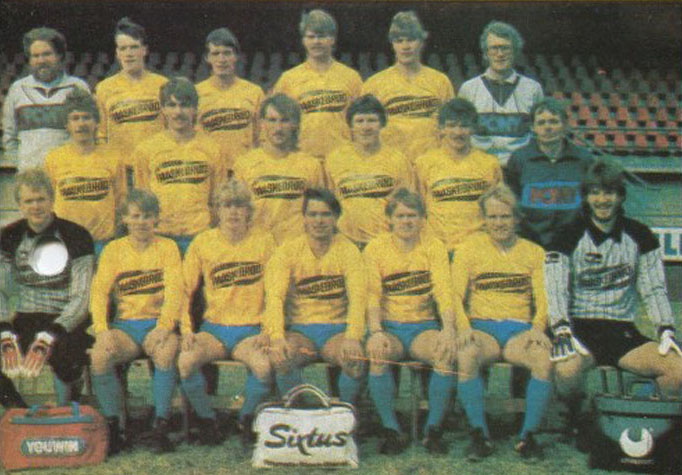 Brøndby IF finished 2nd with 37 points, continuing their solid performance, but unable to challenge this season’s leader.
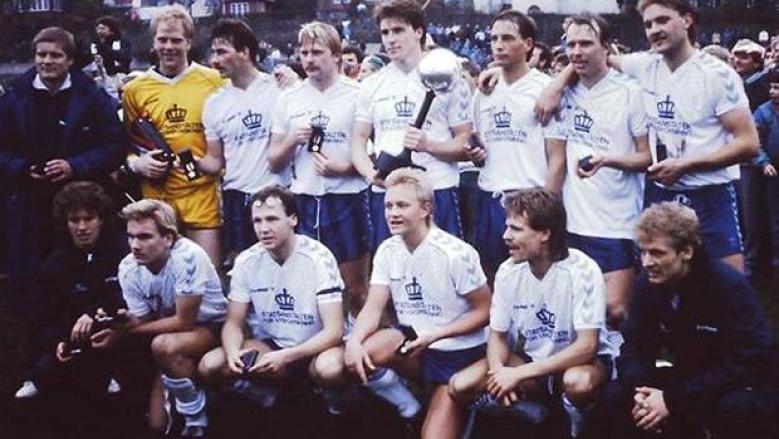 AGF (Aarhus) dominated the championship and comfortably won it with 41 points. 17 wins, 7 ties, and only 2 lost games. Scored 49 goals, received 22. Wonderful victory and their 5th altogether. They had to wait some time for this one, but it was also their last championship success for a very long time. Who would know – the title promised bright immediate future. But never mind – it was a season of triumph.
Poland the Cup
The Polish Cup final was a great chance for Gornik to win a double. GKS Katowice, the other finalist, was relatively smallish club – they had good season, but Gornik outclassed them. Tradition was also on the side of Gornik, but the final proved class and tradition wrong. GKS Katowice annihilated Gornik 4-1.
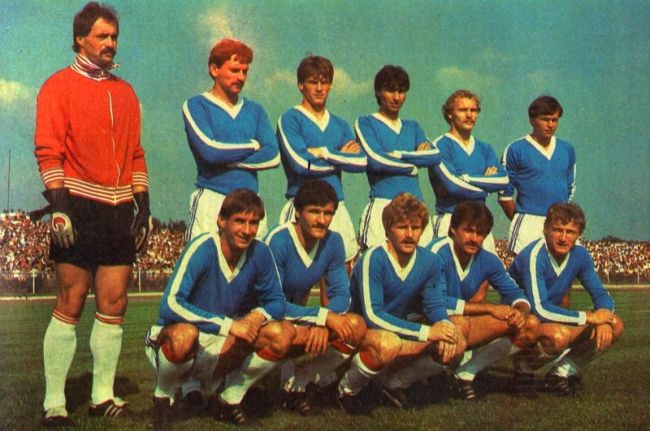 Gornik lost the Cup and no double for them. Second row from left: Cebrat, Dankowski, Urban, Komornicki, Ossowski, Majka
Crouching: Gunia, Zgutczyński, Matysik, Kostrzewa, Iwan.
Why they lost so badly? Perhaps because of the relative decline of Polish football in the 1980s – Gornik had the best squad in the country, but compared to the stars of the previous decade, the players were not all that great. Iwan, who was expected to become the next great Polish star, failed to fulfill expectations. A motivated tough opponent could beat this squad occasionally and Cup finals are just such an occasion.
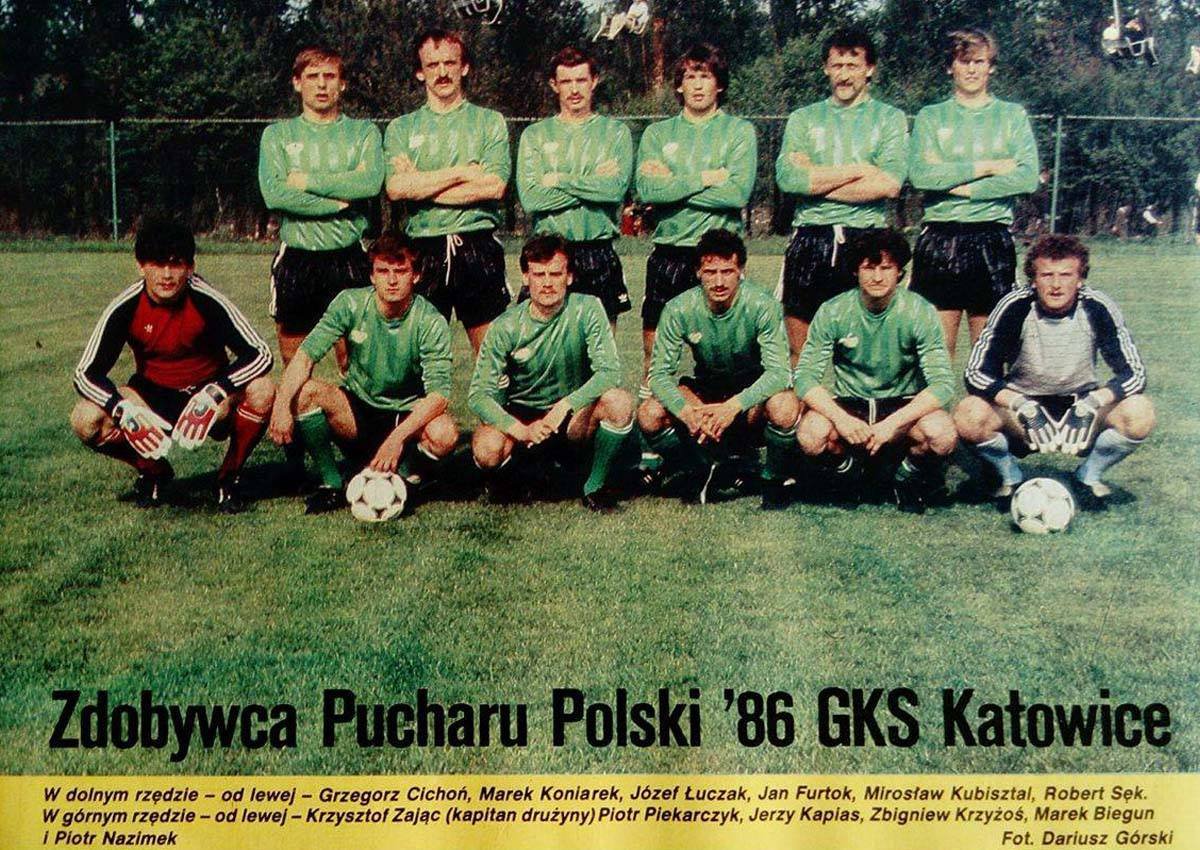 GKS Katowice really made history – they did not play top league football all that often nd never won anything before. This was their best season in history so far and eventually a beginning of their golden period. One is tempted to say that the big difference between GKS and Gornik was Jan Furtok – Iwan was somewhat stuck and not getting better, but Furtok was up and coming. Of course, a single player rarely is the sole reason for success – GKS had good and ambitious squad. Well deserved first trophy, whetting their appetites for more. The fans were jubilant, naturally – success at last!
Poland I Division
First Division. Not a very intriguing season – Gornik (Zabrze) was the strongest team at the moment and quite easily won another title.
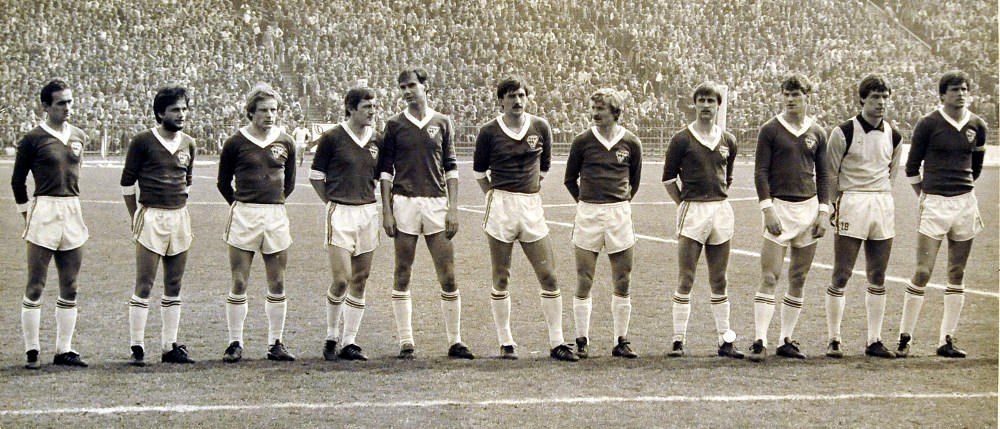 Zagłębie (Sosnowiec) was the weakest – last and relegated with 20 points.
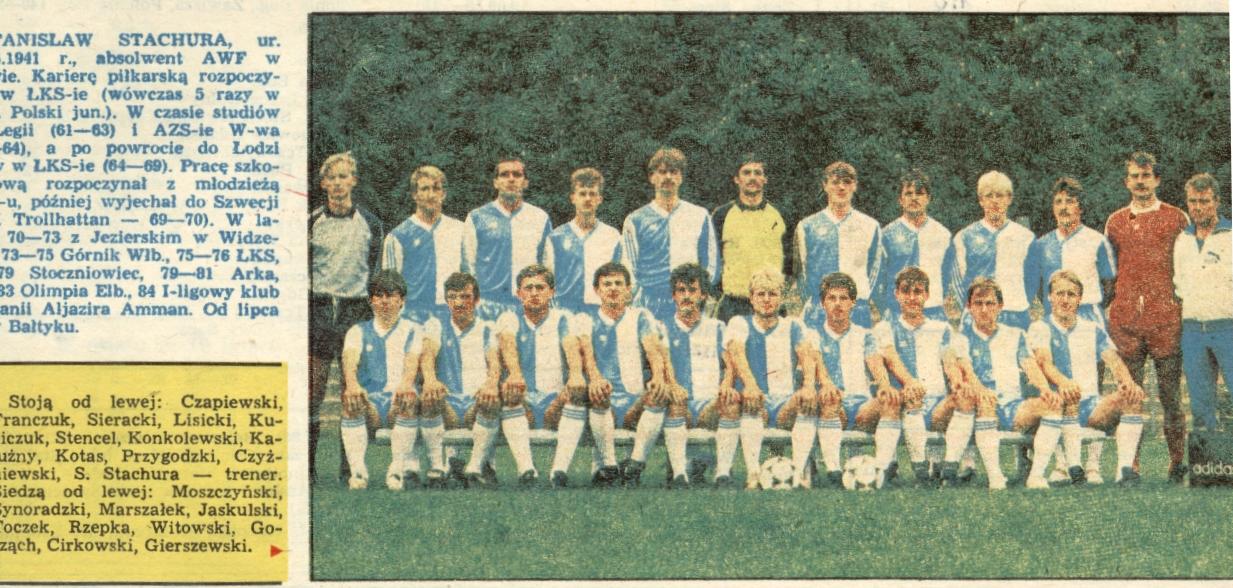 Bałtyk (Gdynia) was the other unfortunate – 15th with 23 points. Down they went.
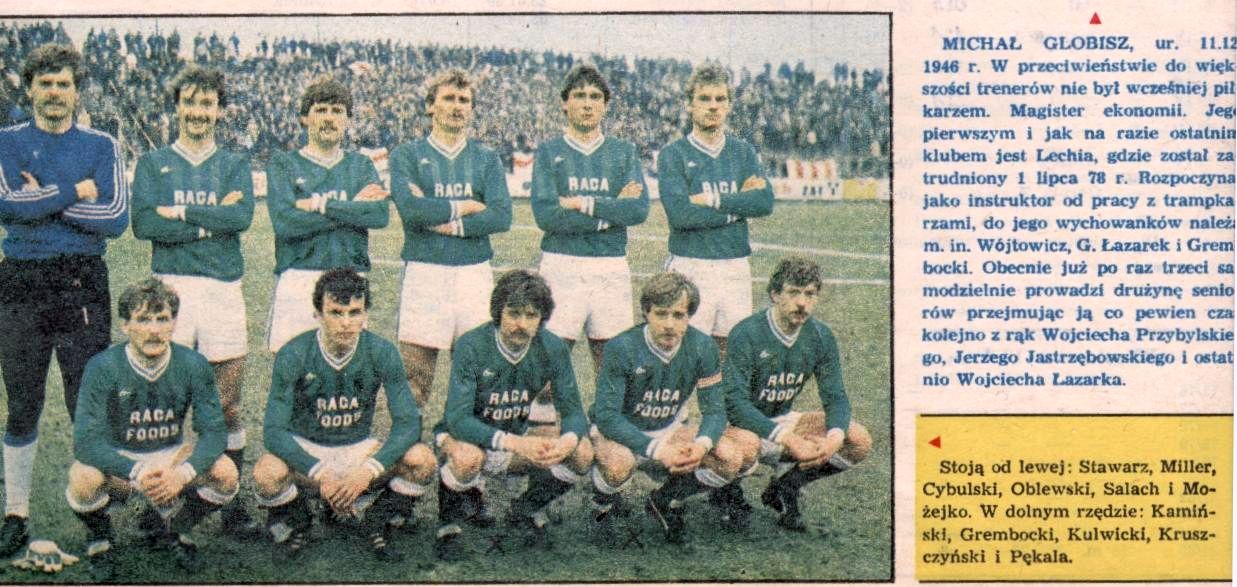 Lechia (Gdańsk) was lucky – 14th with 24 points.
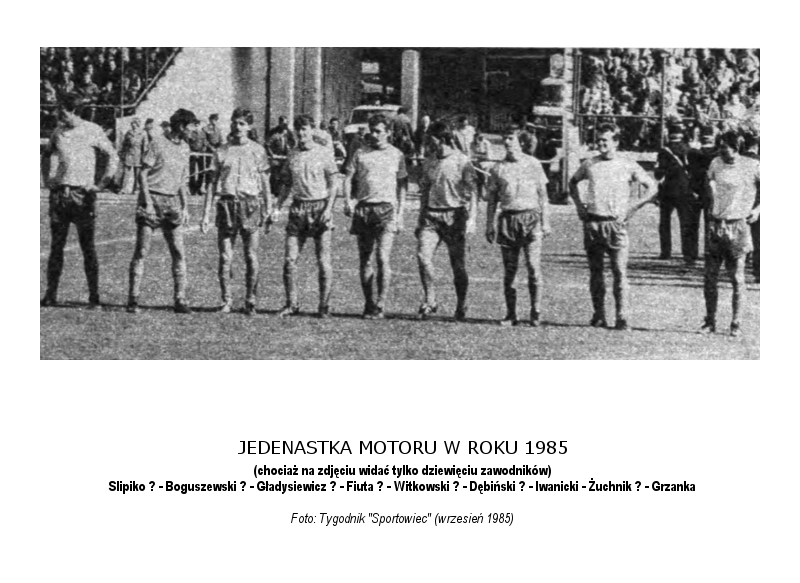 Motor (Lublin) – 13th with 25 points. They were the team with most ties this season – 13.
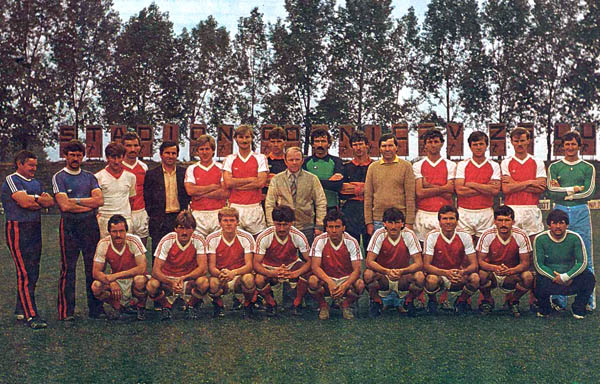 Zaglebie (Lubin) – 12th with 25 points. The lowest scoring team in the championship: only 22 goals.
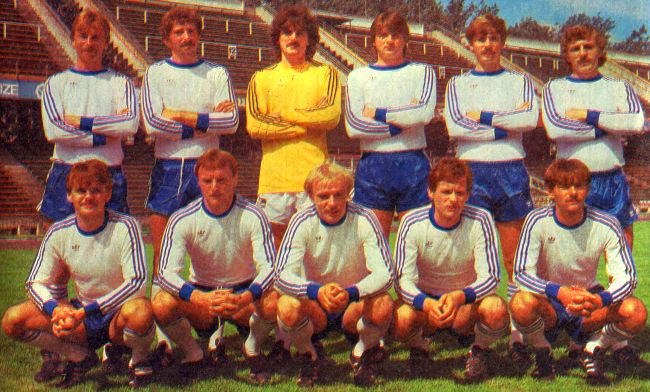 Stal (Mielec) – their glorious years were long gone. 11th with 25 points. Standing from left: Duchnowski, Lizończyk, Pazdan, W.Łukasik, Gruszecki, Wnuk
Front row: Śliwowski, Urbanek, Porębny, Bedryj, Barnak.
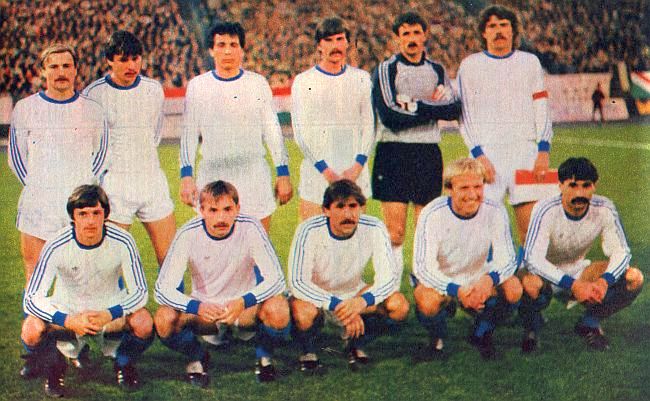 Pogoń (Szczecin) – 9th with 27 points. Standing from left: Hawrylewicz, K.Sokołowski, Urbanowicz, J.Sokołowski, Szczech, Makowski
Crouching: Benesz, Kuras, Ostrowski, Kensy, Leśniak.
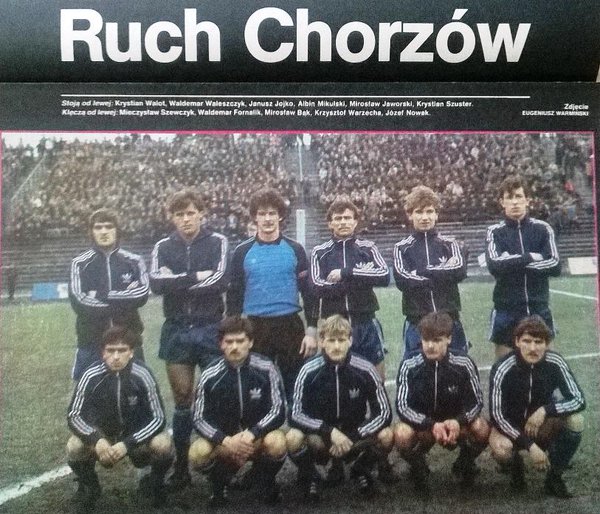 Ruch (Chorzow) – 9th with 28 points.
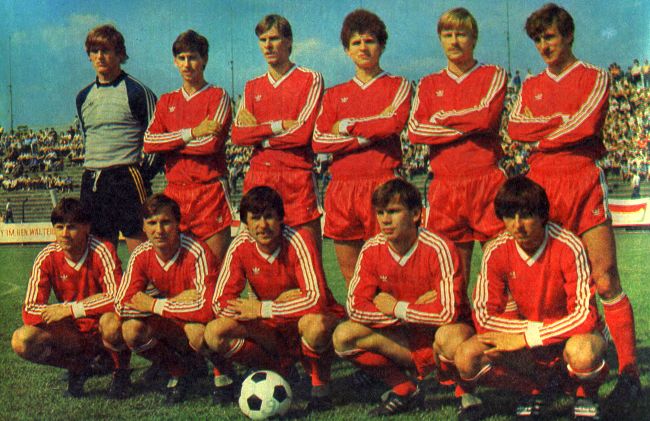 LKS (Lodz) – 8th with 28 points. Standing from left: Bako, Wenclewski, Kruszankin, J.Robakiewicz, K.Baran, Gajda
Front: Różycki, Gierek, Chojnacki, Sibilski, Ziober.
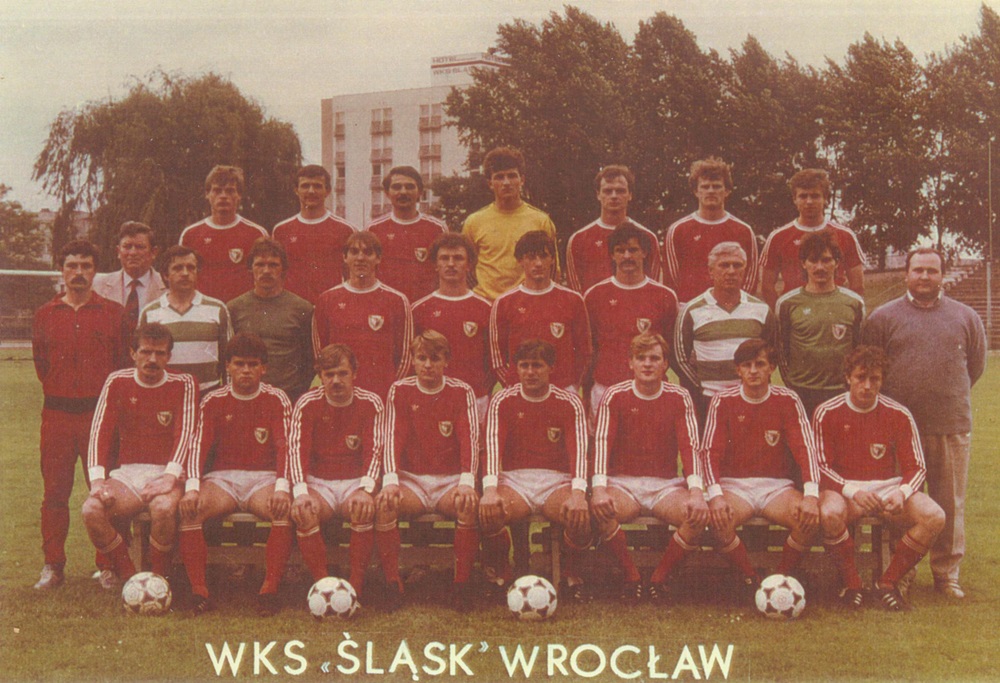 Slask (Wroclaw) – 7th with 29 points.
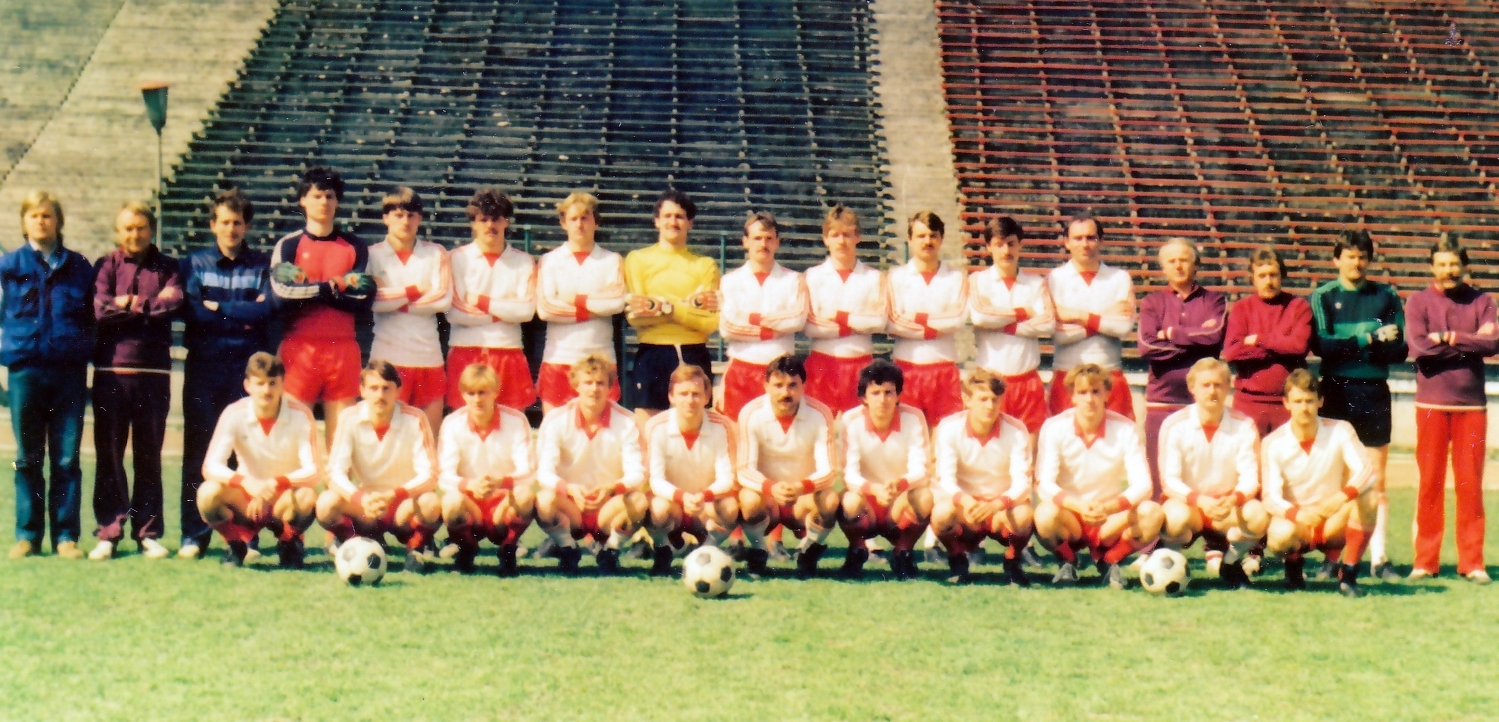 Górnik (Wałbrzych) – 6th with 30 points.
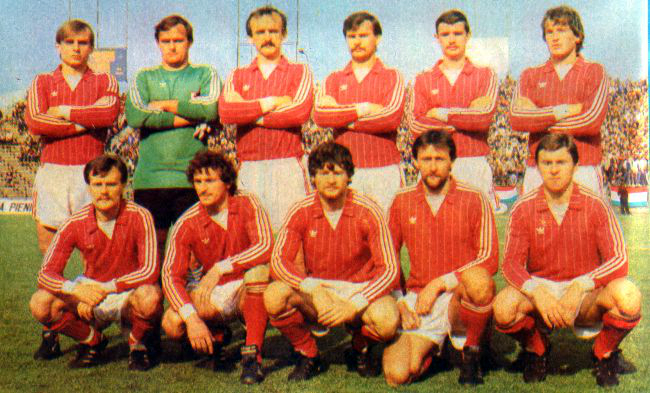 GKS Katowice – 5th with 31 points. Standing from left: Krzysztof Zając, Franciszek Sput, Piotr Piekarczyk, Marek Matys, Jerzy Kapias, Zbigniew Krzyżoś
Crouching: Józef Łuczak, Jan Furtok, Mirosław Kubisztal, Marek Biegun, Wiktor Morcinek.
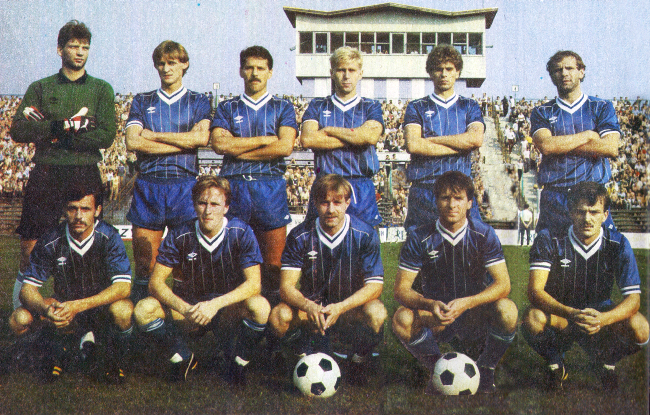 Lech (Poznan) – 4th with 36 points. Standing from left: Ryszard Jankowski, Czesław Jakołcewicz, Mariusz Niewiadomski, Piotr Skrobowski, Dariusz Szwagiel, Krzysztof Pawlak
Front row: Hieronim Barczak, Rafał Stroiński, Jerzy Kruszczyński, Mirosław Okoński, Bogusław Pachelski.
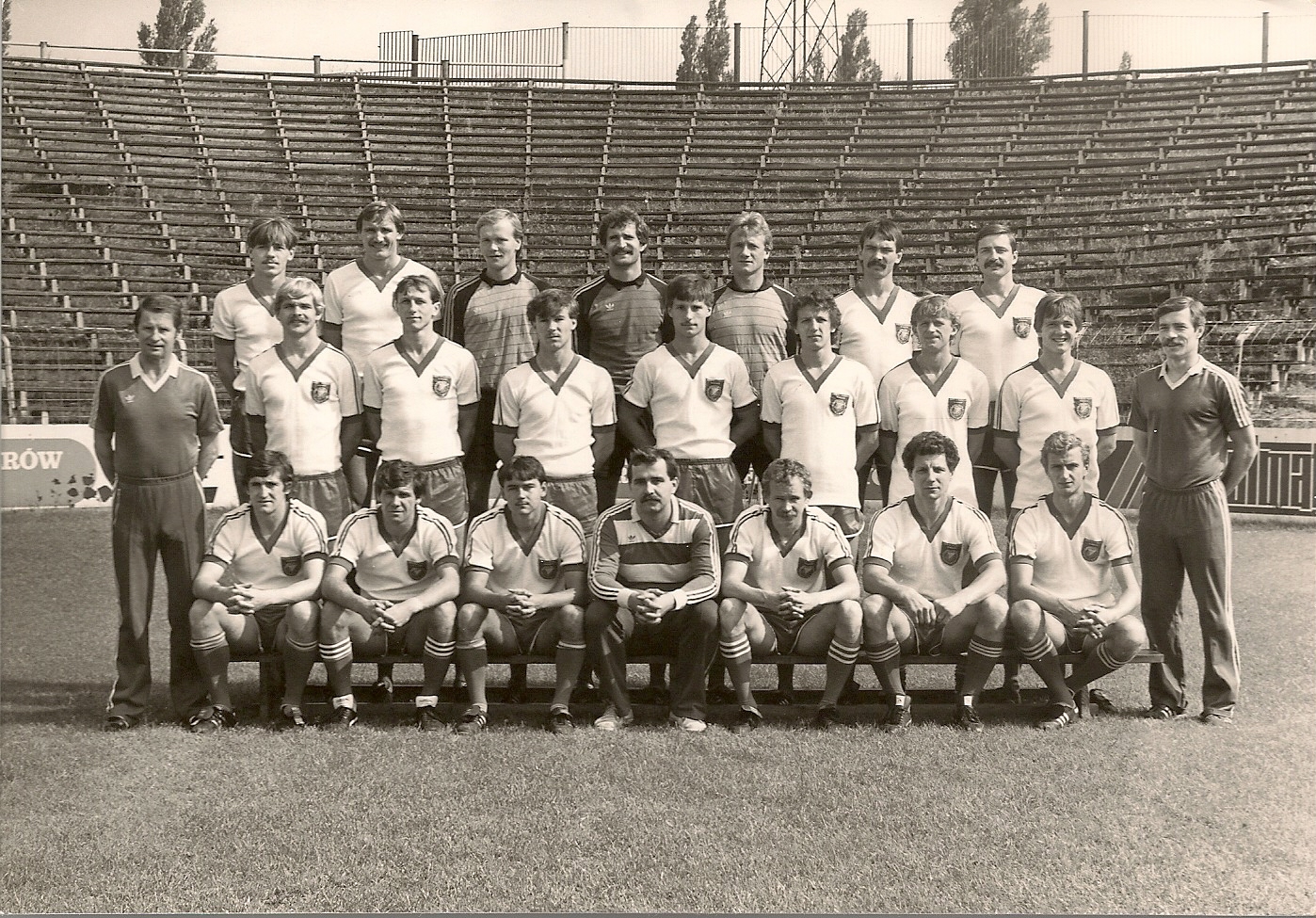 Widzew (Lodz) – 3rd with 41 points.
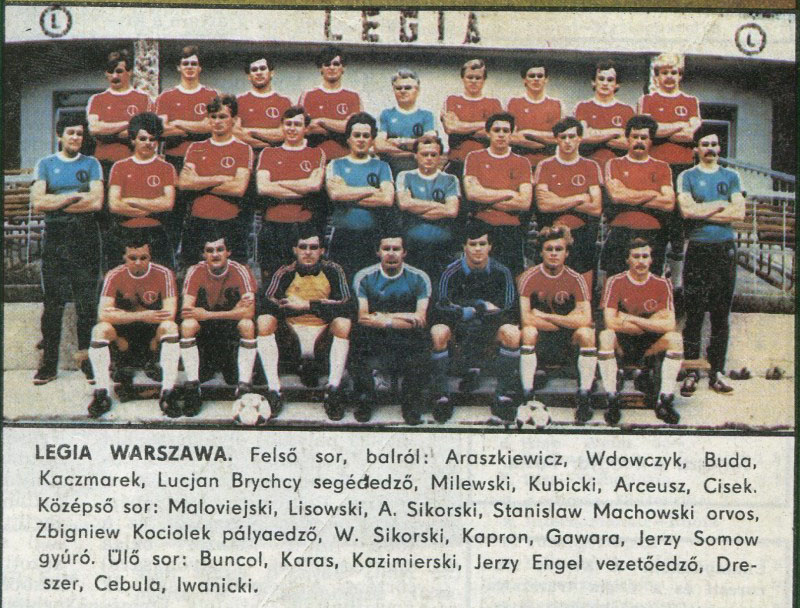 Legia (Warszawa) – 2nd with 42 points.
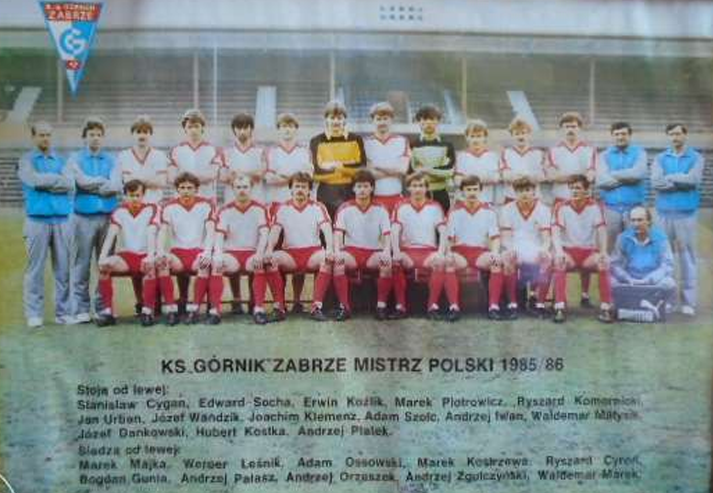 Gornik (Zabrze) – comfortable champions with 46 points from 21 wins, 4 ties, and 5 losses. They scored the most goals this season – 70 – and allowed the least: 17. Perhaps not as great a team as the one of the late 1960s, but stronger than any other presently. Hubert Kostka did wonderful job coaching the squad to a second consecutive title. It was also their 12th title.
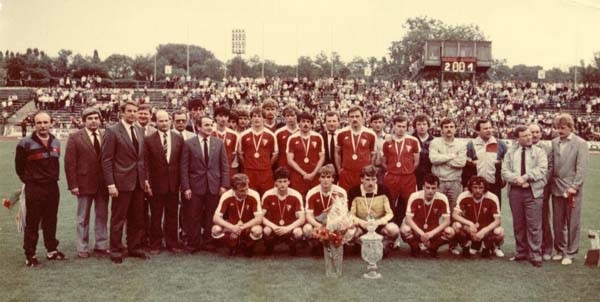 Proud new-old champions.